10 Essential Capsule Wardrobe Building Basics for Stylish Living
I still remember the day I decided enough was enough with my overflowing closet. It was a humid morning in Karachi, sweat already sticking to my back, and I stood there staring at racks of clothes I hadn’t touched in months. Dresses from weddings I’d never wear again, tops that looked cute online but never quite fit right, jeans that pinched in all the wrong places. That chaos wasn’t just taking up space in my wardrobe; it was cluttering my mind every single morning when I tried to get dressed for work or a casual coffee meet-up. That’s when I stumbled into the idea of a capsule wardrobe, and honestly, it changed everything about how I approach style. Not in a rigid, minimalist way that feels restrictive, but in a freeing, intentional way that lets me feel put-together without the daily stress. If you’re tired of standing in front of a full closet wondering what to wear, these ten basics have been my lifeline. They’re not rules set in stone; they’re practical stepping stones I’ve refined over years of trial and error, moving between humid summers and mild winters, balancing office days with weekend adventures. Let’s walk through them together, because building a capsule isn’t about perfection—it’s about creating a wardrobe that actually works for the life you live right now.
The first essential is getting brutally honest about your lifestyle before you buy a single new piece. Most people skip this and jump straight to shopping hauls, which is why their capsules fall apart after a season. Sit down with a notebook or your phone notes and map out your actual days. What do you do from morning to night? For me, it’s early client calls from home, then heading to meetings in the city, maybe a quick gym session or a family dinner. That means I need clothes that transition from casual to semi-formal without looking forced. Think about the climate too—Karachi’s heat and humidity mean breathable fabrics are non-negotiable, while someone in a colder city might prioritize wool blends. Track your activities for a week: how many hours at a desk, how often you’re on your feet, any formal events popping up? I once ignored this and bought a bunch of structured blazers only to realize my days were 80 percent remote work where comfort trumped polish. Now I start every capsule refresh by listing my top five recurring scenarios. It keeps purchases practical. Don’t forget the emotional side either. Do you feel most confident in relaxed fits or tailored looks? Are you chasing trends or craving timeless ease? This self-audit isn’t glamorous, but it’s the foundation. Without it, you end up with beautiful clothes that sit unused because they don’t match your reality. I’ve seen friends waste money on “capsule must-haves” from influencers who clearly live different lives—yoga instructors pushing power suits or office workers recommending flowy boho pieces. Tailor it to you. Spend a full hour on this step and you’ll save hundreds later. It’s like writing the brief before designing a house; everything else flows from there.
Once you know how you live, the second basic is pinning down your personal style so every piece feels like an extension of you. This isn’t about copying Pinterest boards wholesale; it’s about discovering what makes you light up when you catch your reflection. I started by pulling out photos of outfits I’d worn and loved over the years—old vacation snaps, work events, even lazy Sunday looks. What patterns emerged? For me, it was clean lines, soft neutrals, and a touch of texture like linen or subtle prints. Maybe you’re drawn to bold colors or structured shoulders or effortless layers. Create a mood board, but keep it personal. I use a simple folder on my phone and add screenshots of street style that resonate, not just famous celebs. The key is honesty: if you hate heels but keep buying them because they look chic, you’re setting yourself up for regret. Style evolves, sure, but your capsule should reflect where you are now, not some fantasy version. I once tried forcing a “French girl” aesthetic—striped shirts and ballet flats—only to feel like I was playing dress-up. My real style is more effortless coastal with a Karachi twist: loose trousers, breezy tunics, and easy jackets. When you align your capsule with that, getting dressed becomes joyful instead of performative. Spend time experimenting in front of the mirror with what you already own. Mix unexpected pieces. Take notes on what feels right. This step turns a wardrobe from a collection of clothes into your personal uniform, something that quietly boosts confidence every day. And remember, personal style isn’t static. Revisit it every year or after big life changes like a new job or moving cities.
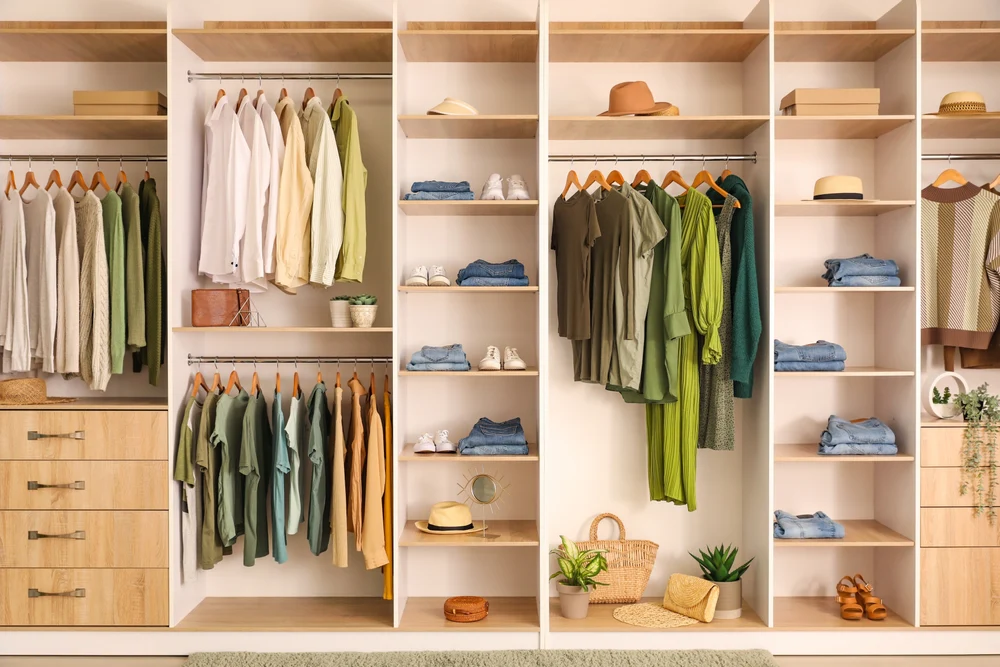
The third essential revolves around locking in a color palette that actually flatters you and mixes seamlessly. I used to own every shade under the sun and nothing matched. Chaos. Now I stick to a tight family of neutrals and a couple of accent colors that work with my skin tone and the local light. For most people in warmer climates like mine, soft beiges, warm taupes, crisp whites, deep navies, and soft blacks form the backbone. I add one or two pops—maybe a dusty rose or olive green—because they lift the whole collection without clashing. The trick is testing colors against your face in natural light, not store lighting. Hold fabrics up to your cheek and see what makes your eyes pop versus what washes you out. There’s no universal “best” palette; it’s deeply individual. I learned this the hard way after buying a trendy mustard yellow that looked amazing on my friend but made me look tired. Once you have your palette, everything coordinates. A white shirt works with your navy trousers, beige blazer, or olive dress. It cuts decision fatigue dramatically. I keep a small swatch card in my wallet with fabric snippets so shopping becomes foolproof. Seasonal adjustments matter too—lighter tones for summer heat, deeper shades for winter evenings. But the core stays consistent so you’re not starting from scratch every six months. This discipline doesn’t limit creativity; it amplifies it. When colors flow together, you create outfits effortlessly, and strangers compliment how “pulled together” you look without realizing the secret is just smart restraint.
Fourth on the list is committing to quality fabrics and construction instead of chasing quantity. I used to buy five cheap tops for the price of one well-made piece and wonder why my clothes looked worn after three washes. Cheap seams unravel, synthetic blends pill, and colors fade under Karachi’s intense sun. Now I invest in natural fibers like cotton, linen, silk, and wool that breathe, last years, and actually improve with age. A good linen shirt might cost more upfront but it softens beautifully and stays cool all day. Check stitching—double seams, reinforced buttons, proper hems. Feel the weight of the fabric; flimsy material screams temporary. I’ve found local tailors who can copy designer cuts using better cloth for half the price, which stretches my budget. Brands like Everlane or Uniqlo’s premium lines offer accessible entry points, but I also scout secondhand for vintage pieces that were made to last. The payoff is huge: fewer replacements mean less waste and a wardrobe that feels luxurious even if it’s small. I rotate my favorites and they still look sharp after two years. This mindset shifts shopping from impulsive to intentional. Ask yourself before buying: would I wear this for the next five years? If the answer is no, walk away. Quality also respects your time—no constant mending or ironing disasters. In a capsule, every item earns its keep through durability and versatility, so splurging on the basics pays dividends in daily ease and long-term savings.
The fifth basic is prioritizing versatility above everything else when selecting individual pieces. This is where the magic of a capsule really clicks. Every garment should pair with at least three others in your collection. I test this mentally before purchase: does this white button-down work with my black trousers for the office, jeans for weekends, and under a cardigan for evenings? If not, it doesn’t make the cut. Think modular—like building blocks. A classic trench coat becomes rain protection, evening cover-up, or casual layer depending on what’s underneath. Straight-leg trousers in navy transition from meetings to market runs with just a shoe swap. I keep a running list of “hero pieces” that do heavy lifting: the perfect white tee, a mid-length skirt in neutral linen, a lightweight blazer. Versatility also means considering silhouettes that flatter multiple occasions. I avoid anything too trendy or occasion-specific like sequined anything unless it’s a rare party capsule add-on. Instead, I focus on cuts that move with me—relaxed but not sloppy, fitted but not restrictive. This approach saved me during unexpected travel last year; one carry-on held a week’s worth of polished looks because every item mixed freely. Versatility reduces the mental load so much that mornings feel creative rather than overwhelming. It also stretches your budget because each rupee spent works overtime. When I explain this to friends who feel trapped by fast fashion, their eyes light up. They realize they don’t need more clothes—they need smarter ones.
Sixth comes embracing timeless classics that never go out of style. Trends come and go, but a well-cut white shirt or black trousers endure. I built my foundation around these anchors: a crisp oxford shirt, tailored trousers in wool or cotton blend, a cashmere or cotton crewneck sweater, a denim jacket that’s lived-in but not distressed, and leather loafers or sneakers that age gracefully. These pieces form the skeleton everything else hangs on. I remember buying a statement blazer with exaggerated shoulders during a trend wave; it looked dated within eighteen months and got donated. Timeless items, however, photograph well years later and mix with newer accents without looking forced. The secret is choosing versions that suit your body now, not some idealized past self. I had a slim-fit blazer from my twenties that pinched once life added a few curves; replacing it with a relaxed cut in the same neutral was transformative. Shop sales for these staples because they’re always needed. I also mend and alter them rather than discard—taking trousers up or letting a hem out keeps classics fresh. This focus on enduring style creates a wardrobe that feels confident across decades, not just seasons. It’s quietly luxurious, the kind of dressing where people notice you look good without pinpointing why. And in a world obsessed with novelty, leaning into timelessness feels rebellious and deeply satisfying.
Seventh is mastering layering so you stay comfortable and stylish no matter the temperature swings. Karachi days can start cool and turn scorching, or evenings bring a breeze off the sea. Layers let one capsule adapt without bulk. Start with base layers like breathable tanks or tees in your palette. Add mid-layers such as lightweight shirts or fine knits. Outer layers include blazers, cardigans, or lightweight jackets that pack small. The beauty is in mixing textures: crisp cotton against soft cashmere, matte linen over silky camis. I keep a short list of foolproof combinations written in my phone for rushed mornings. Layering also adds visual interest without needing patterns or prints—think a neutral turtleneck under a collared shirt with the collar peeking out. It elongates the silhouette too, creating polish with minimal effort. I learned this traveling between cities; one light scarf turned a simple dress into airport comfort and dinner elegance. Practice in your mirror until layering feels instinctive. Avoid too many thick pieces that add bulk; opt for fine gauges and natural fibers that don’t trap heat. This skill turns a small collection into seemingly endless options and keeps you prepared for Karachi’s unpredictable weather without ever feeling overdressed or underprepared.
Eighth involves choosing accessories that elevate the basics without overwhelming them. Jewelry, bags, shoes, and scarves are the secret sauce in any capsule. I limit myself to five pairs of shoes total: versatile sneakers, leather flats, low block heels, ankle boots, and sandals for heat. Each must work with multiple outfits. Same with bags—one structured tote for work, a crossbody for daily errands, a clutch for evenings. Jewelry stays simple: gold hoops, a delicate necklace, a watch, and maybe one statement ring that travels across looks. Scarves or lightweight shawls add color and coverage when needed. The rule is quality again—real leather, solid hardware, timeless shapes. I once bought trendy earrings that scratched and tarnished quickly; now I stick to pieces that last and feel special. Accessories also allow seasonal tweaks without buying new clothes. Swap heavy boots for sandals in summer or add a silk scarf for winter polish. They inject personality too—a colorful belt or unique brooch can make the same white shirt feel fresh. Store them neatly so they’re easy to grab. This category proves you don’t need dozens of outfits when a few thoughtful accents do the heavy lifting.
Ninth is learning to edit and declutter without mercy on a regular schedule. Every six months I pull everything out and ask three questions: Does it fit my current body and lifestyle? Have I worn it in the last year? Does it make me feel good? If not, it goes—donate, sell, or recycle. This keeps the capsule breathing. I used to hold onto “just in case” items that never saw daylight. Now the closet feels spacious and inspiring. I photograph before-and-afters to track progress; the visual difference is motivating. Decluttering also reveals gaps—maybe you need another neutral top after removing faded ones. Make it a ritual: play music, pour tea, turn it into self-care. Involve a honest friend if you struggle with attachment. The goal isn’t zero waste overnight but steady refinement. I’ve donated bags of clothes and felt lighter immediately. This habit prevents creep-back of excess and keeps your style aligned with who you are today, not who you were five years ago.
Finally, the tenth basic is treating capsule building as an ongoing practice rather than a one-time project. Life changes—new job, different city, shifting priorities—so your wardrobe should flex too. I review mine quarterly, adding or subtracting one or two pieces max. I keep a wish list of future upgrades and save for them rather than impulse buying. Track what works through a simple note app: outfit photos and quick notes on comfort and compliments. This data guides smarter choices next round. Sustainability is baked in; fewer purchases mean less environmental impact, something that matters deeply to me. Share your journey with friends—swap pieces, discuss finds. Over time, the capsule becomes a reflection of your growth, not a static collection. I’ve refined mine through two moves and one career shift, and each version feels more me than the last.
Building a capsule wardrobe isn’t about restriction; it’s about liberation. Those ten basics—honest assessment, personal style, smart palette, quality focus, versatility, timeless pieces, layering mastery, thoughtful accessories, regular editing, and ongoing evolution—have given me back hours every week and a daily sense of calm confidence. I no longer dread opening my closet. Instead, I feel excited to create outfits that match my mood and my day. If you start small, maybe with just assessing your lifestyle this weekend, the momentum builds naturally. You’ll discover what truly serves you and let go of what doesn’t. Stylish living isn’t having everything; it’s having exactly what you need and loving every piece. My capsule has traveled with me through busy work seasons, family celebrations, quiet evenings at home, and spontaneous road trips along the coast. It adapts, it lasts, and most importantly, it lets me show up as myself without the noise of excess. Give these basics a genuine try and watch how your mornings transform. You deserve a wardrobe that works as hard as you do, and once you experience it, there’s no going back to the old chaos. Here’s to dressing with intention and living with more ease—one versatile piece at a time.

Related Posts