Trash Yourself and Get A NEW YOU – Capsule Wardrobe Building 101
The vast majority of humans on the planet open their closet doors every morning and feel stressed.
Clothes everywhere. Nothing matches. Half of it doesn’t even fit right. And somehow, after the hundreds of pieces you own, you still feel like you have nothing to wear.
Sound familiar?
Here’s the real deal: The issue isn’t that your closet is lacking clothes. The error is that you have too many of the incorrect ones.
That’s where capsule wardrobe building comes in.
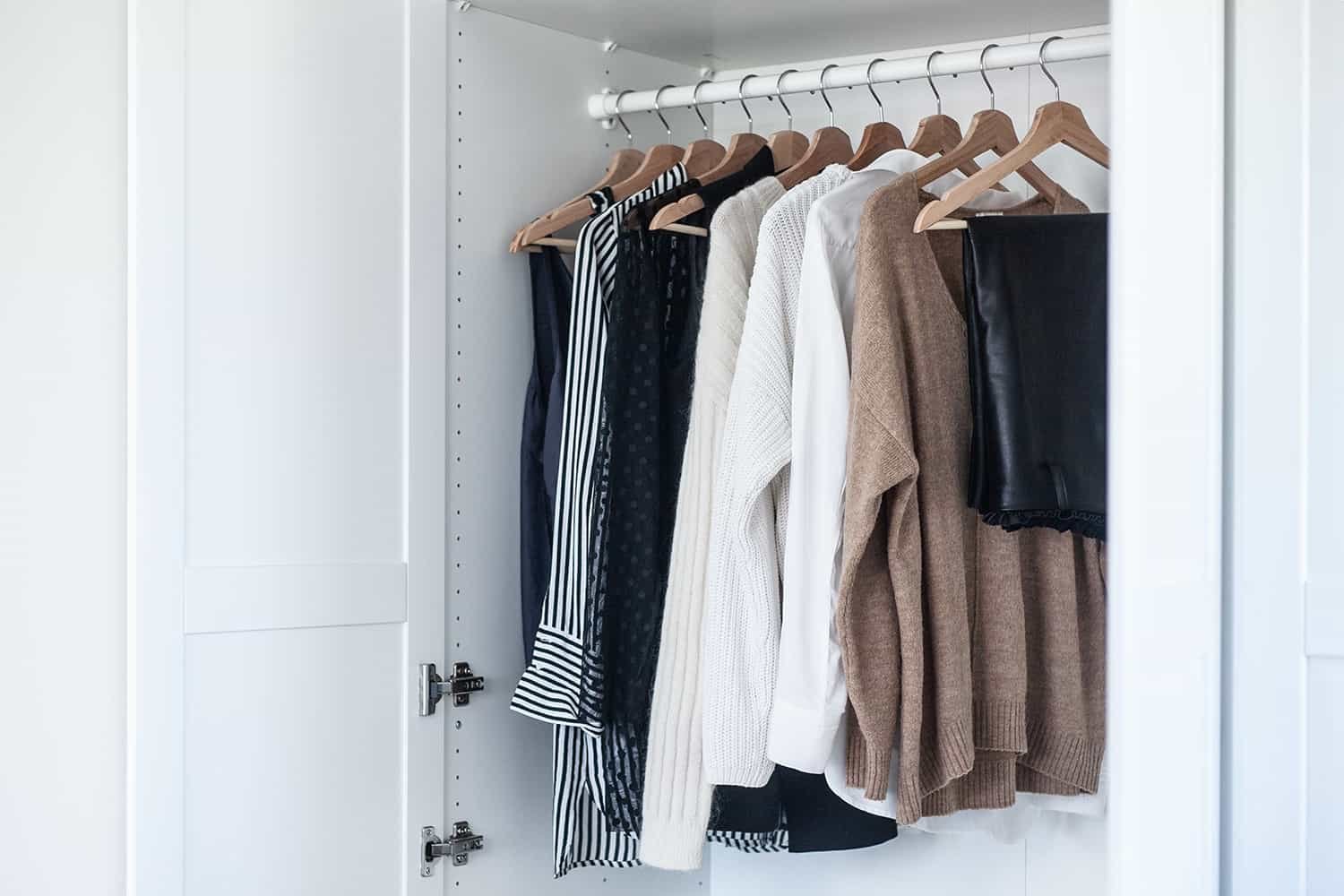
A capsule wardrobe cleans out your closet to a small, conscious collection of garments that all play well with each other. The end result is a clutter-free closet, no-fuss mornings and a style that truly feels like you.
But most guides provide you a list of things to purchase. This article goes deeper.
These five secrets — the less-discussed strategies that distinguish a wardrobe that works from one that disintegrates after two weeks. All of them are full of actionable advice, real examples and honest insights that can really help you to build something that lasts.
Let’s pull back the curtain.
So, before we get to the secrets, let’s be real about why so many people attempt this and fail.
They watch a YouTube video, feel inspired, donate a few bags of clothes, buy some neutral basics — and then before you know it, over the next couple of months that closet fills back up.
They did so because they approached building a capsule wardrobe as a one-time kind of project, rather than an ongoing shift in habit.
It ignored the first-based thinking too. They knew what to own but not why they were building it in the first place.
The five secrets below solve all of that.
Secret No. 1: Your Lifestyle Is the Blueprint — Not Someone Else’s Aesthetic
Stop Copying Other People’s Wardrobes
This is where most people go wrong creating capsule wardrobes, and it quietly slays more wardrobes than anything else.
You see a beautiful flat-lay on Instagram — 30 expertly curated pieces in shades of cream, beige and caramel. It looks stunning. So you get out there and try to recreate it.
But herein lies the problem: that wardrobe was designed for someone else’s life.
If you work in a hospital, or a creative agency, or a high school classroom, that weird minimal linen aesthetic probably has no use to you. And a closet you can’t wear is just clutter with better lighting.
Map Out Your Real Week
The trick is to ensure your real lifestyle dictates every single decision that you make.
Sit down and sketch out a typical week. Be specific. Consider where you go, whom you see and what activities you do. Then allocate rough percentages to each category.
Here’s a look at what this might mean for two very different individuals:
| Life Setting | Person A (Teacher) | Person B (Freelancer) |
|---|---|---|
| Professional/work | 60% | 20% |
| Casual/everyday | 20% | 50% |
| Active/outdoor | 10% | 20% |
| Social/evenings out | 10% | 10% |
Do you see how disparate those two wardrobes are?
Person A requires more polished, durable pieces that are classroom-ready. Person B requires cozy, flexible essentials that can go from a home office to a coffee shop.
Neither wardrobe is wrong. They’re just made for different kinds of lives.
Create “Mini Capsules” for Every Zone of Your Life
Once you’ve mapped your lifestyle, break up your wardrobe into sections that some stylists call life zones.
Each zone has a small selection of pieces to lend:
- Work zone — smart, functional, polished
- Laid-back zone — chill, casual, at ease
- Active zone — workout clothes and outdoor pieces
- Occasion zone — fancier things for events and special outings
The brilliance of this method is that nothing in your closet is wasted. Every object has a definitive function and its own space.
This is what the rest of everything else in capsule wardrobe building hinges upon.
Secret No. 2: “Cost Per Wear” Formula Changes the Way You Shop Forever
Cheap Clothes Are the Most Expensive Clothes
For the average person building a capsule wardrobe, the assumption is that it will cost you $$$. That’s a myth.
But here’s the other side — believing those cheap, low-quality clothes save you money is a bigger myth.
The actual metric for clothing value is cost per wear (CPW).
The formula is simple:
Cost Per Wear = Total Price ÷ Number of Times Worn
Let’s look at two real examples side by side:
| Item | Purchase Price | Times Worn | Cost Per Wear |
|---|---|---|---|
| Fast fashion jacket | $35 | 8 | $4.38 |
| Quality wool jacket | $180 | 150 | $1.20 |
| Thrifted cashmere sweater | $12 | 90 | $0.13 |
| Trendy dress (never fits right) | $55 | 2 | $27.50 |
The $180 jacket is, from a pure cost basis perspective, less expensive to own than the $35 one.
And the thrifted cashmere? That’s a capsule wardrobe superstar.
How to Use This When You Shop
Whenever you’re about to buy something, do the mental math.
Ask yourself: How many occasions do I realistically see myself wearing this in the next two years?
If the honest answer is “not many” — put it back. Even if it is heavily discounted. Even if it looks great on the hanger.
Sales are among the largest pitfalls in building a capsule wardrobe. A 50% markdown on an item you’ll wear two times is still a bad deal.
The Secondhand Shortcut
One of the great secrets of capsule wardrobe building is that thrift stores and secondhand platforms are goldmines for basics.
High-quality designer pieces are donated all the time. You can find:
- $20 barely worn wool coats
- $15 leather boots in perfect condition
- High quality denim (in the $120+ range) for under $30
Buying secondhand drives down your cost per wear significantly while maintaining the quality. It is far better for the environment than buying fast fashion new.
If you’re ready to take action, Minimal Wardrobe Plan is a great resource for building a streamlined, intentional wardrobe from the ground up.
Secret No. 3: The Colors You Wear Are the Engine That Drives Everything Else
The Secret Mathematics of a Mix-and-Match Wardrobe
Here’s something most folks don’t understand when embarking on capsule wardrobe building: The quantity of clothes in your closet is much less important than how well those clothes communicate with each other.
A 40-piece closet with no color logic might only yield you 10 wearable outfits.
A wardrobe of 25 pieces built around a brilliant color palette can give you 100+.
Color harmony is the engine that gives a small wardrobe the feeling of endless versatility.
How to Create a Palette That Works
Step 1: Choose 3 Neutral Anchors. These will constitute the bulk of your wardrobe.
Common anchor neutrals:
- Black + White + Grey (vintage, urban, sleek)
- Navy + Cream + Camel (preppy, timeless, warm)
- Olive + Brown + Beige (earthy, relaxed, natural)
- Charcoal + White + Burgundy (rich, sophisticated, moody)
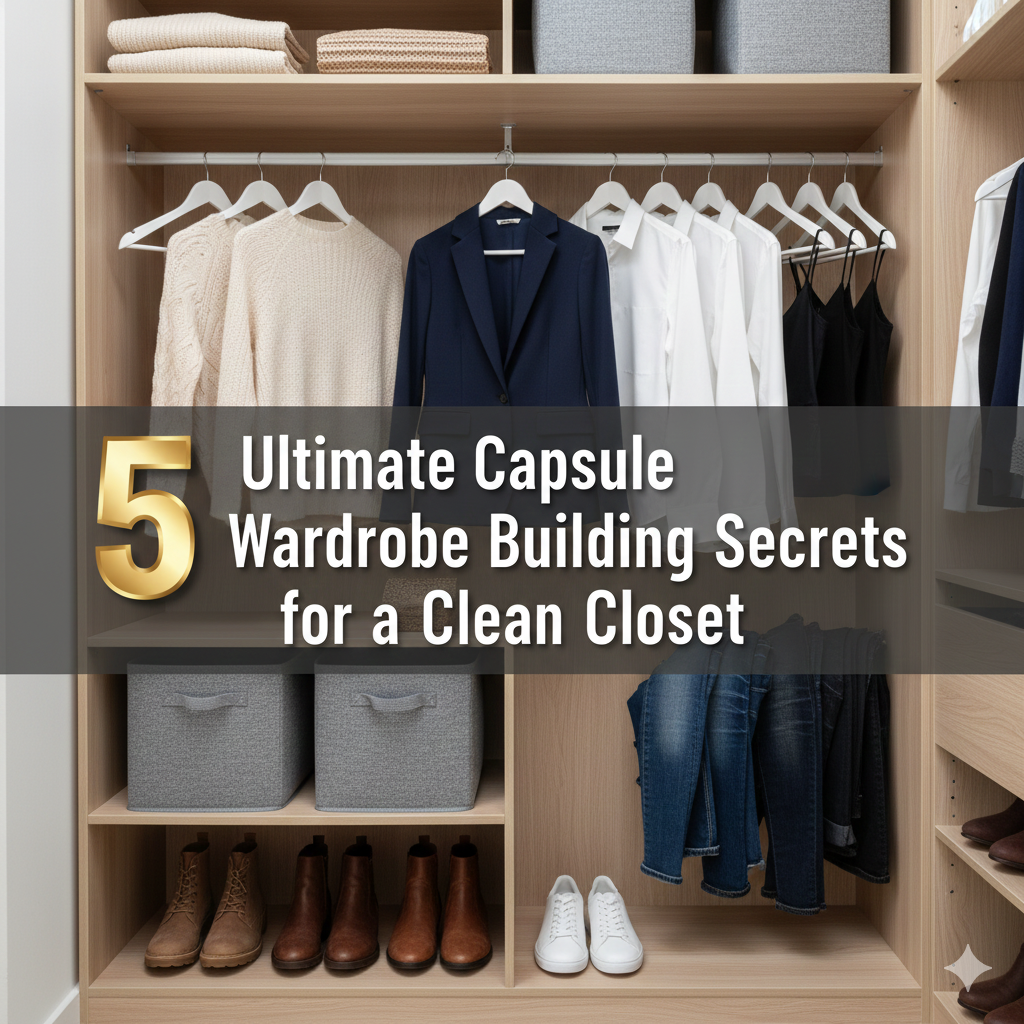
Every bottom, outerwear piece and bag you own should reside within your anchor palette.
Then add 1 or 2 accent colors that you really love and that coordinate well with your anchors. These appear in tops, scarves or small accessories.
Here’s a visual breakdown of how to proportion your palette:
| Color Layer | Role | Proportion of Wardrobe |
|---|---|---|
| Anchor neutrals | Bottoms, coats, bags, shoes | 65% |
| Secondary tones | Tops, knitwear, layering pieces | 25% |
| Accent colors | Scarves, shirts, accessories | ~10% |
The One-Color Test
Before you add any new item to your closet, take this test:
Does this color exist at least once in my current wardrobe?
If the answer is no, that item will not integrate. It will sit idle on the rack, unable to plug into anything.
Just this one test can prevent dozens of damaging purchases each year.
Secret No. 4: The “Friction Method” — Complicate Bad Habits and Simplify the Good Ones
Closet Psychology Is Real
This is an inside tip that doesn’t have anything to do with clothing, and everything to do with human behavior.
The reason people fall back into clutter — even after building an awesome capsule wardrobe — is their environment isn’t conducive to the new habits they want.
Old clothes get crammed back in. Impulse buys slip through the cracks. The capsule gradually swells back into disorder.
The fix? Use friction strategically.
Friction is the resistance needed to accomplish something. If something is difficult to accomplish, you do it less. You do it more when it’s easy.
You want it to be easy to keep your capsule wardrobe — and hard to undo it.
Make Your Capsule Easy to Use
Here is how to lower friction for good habits:
- Hang frequently worn clothes in your eyeline — you’ll automatically reach for them
- Group your closet by outfit — work pieces together, casual pieces together
- Use matching hangers — a uniform look makes the closet feel calmer and easier to browse
- Leave some empty space — an intentionally uncrowded closet invites you to engage with it
- Keep a small “donate” box by your closet — makes it easy to drop something in when you realize it’s not working
Make Impulse Shopping Hard
Now make it harder to do the bad habits:
- Remove shopping apps from your phone’s home screen — that extra step makes you less likely to mindlessly open them
- Apply the 72-hour rule — for any non-essential clothing purchase, wait 72 hours before deciding to buy
- Keep a photo of your capsule wardrobe on your phone — a reminder of what you already have
Here’s a simple contrast of low-friction and high-friction environments:
| Habit | Low Friction (Easy) | High Friction (Hard) |
|---|---|---|
| Wearing capsule items | Front of closet, eye level | Buried behind other clothes |
| Donating unused items | Box by closet door | Have to find a bag, plan a trip |
| Impulse buying | App on home screen, emails daily | Deleted apps, unsubscribed |
| Intentional shopping | Wishlist visible | No list, shopping from memory |
Create your environment and your environment will create you.
This is by far one of the most underappreciated hacks in capsule building.
Secret No. 5: The Seasonal Reset Ritual That Keeps Everything Fresh
Time for Your Quarterly Check-In
A capsule wardrobe is not a once-and-done project. Consider it more akin to a garden.
If you sow it and leave it alone, weeds come resprouting. But if you maintain it a little bit regularly — just four times a year — it stays beautiful with next to no effort.
The Seasonal Reset Ritual is your way of keeping your capsule alive, up-to-date and useful as life happens.
How to Do a Seasonal Reset in Less Than Two Hours
Dedicate one morning or afternoon at the beginning of each season. Here’s your step-by-step process:
Step 1: The Pull-Out (15 minutes) Pull everything out of your working closet and lay it on your bed. This forces a mindful assessment of everything, rather than allowing items to remain invisible.
Step 2: The Wear Count Check (20 minutes) Go through each item and ask: Did I wear this last season? Clothes worn zero times go into a reassess pile. Items worn frequently stay.
Step 3: The Condition Check (15 minutes) Take a good look at each item. Pilling? Fading? Stretched out? Anything worn out gets donated or repurposed. Quality should be consistent across your capsule.
Step 4: Note Any Genuine Gaps (10 minutes) After you reassess, write down the gaps. Perhaps your one pair of everyday trousers is worn out. Perhaps you need a more seasonally appropriate jacket. A short, specific list keeps shopping focused.
Step 5: The Seasonal Swap (20 minutes) Rotate seasonals. Heavy coats and chunky knitwear go into storage come spring and summer. Lighter layers take their place.
Step 6: The Recommit (5 minutes) Put everything away neatly. Gaze into your clean, curated closet. Take a photo. That moment of visual satisfaction helps you stay committed and makes it less likely you’ll undermine it with an impulse buy.
Tracking What You Actually Wear
Some capsule wardrobe fans track their behavior to collect data on how they actually wear their clothes. Here’s a simplified version to try:
| Method | How It Works | Effort Level |
|---|---|---|
| Hanger flip trick | Flip all hangers backward; when you wear an item, turn the hanger forward | Very Low |
| Monthly wear log | Use a notes app to track what you’re wearing each day | Low |
| Photo diary | Take a daily outfit photo and review how often you wore items monthly | Medium |
| Wardrobe app | Download something like Stylebook or Whering and track digitally | Medium |
Even the simplest method gives you a powerful insight. After one season of tracking, you’ll know exactly which pieces are pulling their weight and which ones are just taking up space.
How to Plan Your Capsule Wardrobe: Everything in One Place
Here’s an overview of all five secrets in action together:
| Secret | Core Idea | First Action Step |
|---|---|---|
| #1 – Lifestyle Blueprint | Build for your real life, not an ideal one | Map your weekly routine by percentage |
| #2 – Cost Per Wear | Measure value by use, not price tag | Calculate CPW on your last 5 purchases |
| #3 – Color Harmony | Make every piece talk to every other piece | Choose 3 anchor neutrals for your palette |
| #4 – Friction Method | Design your environment to support good habits | Reorganize closet + delete shopping apps |
| #5 – Seasonal Reset | Maintain your capsule with quarterly check-ins | Schedule your next reset on your calendar |
Your Questions Answered
Q1: What’s so special about a capsule wardrobe versus just having a small wardrobe? A small wardrobe is simply fewer clothes. A capsule wardrobe, on the other hand, is a curated collection in which every piece has been intentionally selected to work with the others. It’s not just the number — it is strategy and cohesion.
Q2: Will I have to spend a fortune to put together a capsule wardrobe? Not at all. Many of the best capsule wardrobes are constructed almost entirely from thrift stores, clothing swaps and secondhand platforms. The emphasis is on quality and versatility — not brands or price tags.
Q3: Can I make a capsule wardrobe if my weight varies? Yes. The trick is to build around clothes that properly fit you right now. Holding on to things for “when I lose weight” just adds clutter and emotional baggage. Wear clothes for the body you have today, and reassess if your size changes dramatically.
Q4: How many items should be in a capsule wardrobe? There’s no universal number. The most common recommendation is between 25 and 50 total items. But the goal isn’t reaching a specific number — it’s ensuring that every single item earns its place.
Q5: I love trends. Can I stay fashionable with a capsule wardrobe? Absolutely. The trick is to marry a timeless base with trendy accent pieces that you can switch out cheaply — a trendy scarf, a statement earring or one seasonal top per quarter. In this way, trends feel exciting rather than financially debilitating.
Q6: How can I manage work clothes vs. weekend clothes in a capsule? Use the life zones approach from Secret #1. Design a mini workwear sub-capsule and another for casual weekends. Aim for items that bridge both — a great pair of dark trousers or a good blazer works at both ends, making your closet even more efficient.
Q7: What do I do with all the clothes I’m getting rid of? Donate pieces to shelters, thrift shops or clothing drives. Sell good pieces on Poshmark, Depop or ThredUp. Turn worn-out items into cleaning rags or donate them to textile recycling programs. Don’t throw them in the trash.
Q8: How can I protect my capsule wardrobe setup from family chaos? Share the reasons behind what you are doing. Those who realize how much smoother your mornings are and the money you’re saving tend to be supportive. In shared closet spaces, create clear zones and keep your area organized to lead by example.
Last Words: The Closet You Create Is a Reflection of the Life You Desire
A neat closet is not only about appearance. It’s about clarity.
When you open your closet and see only pieces that bring you joy — that fit, that go with each other, that suit the life you actually lead — something changes. Getting dressed becomes easy. Your mornings feel calmer. You stop buying blank T-shirts that are never worn.
That’s the real promise of building a capsule wardrobe.
These five secrets aren’t complicated. They don’t need a big budget, a perfect body or an interior design degree. They just need a little honesty — about your life, your lifestyle and what you really need.
Start with one secret. Just one.
Map your lifestyle this week. Or do some cost-per-wear math on the last five things you purchased. Or pick your three anchor colors today and check how many of your existing wardrobe items already work.
Big changes come from small steps.
The closet of your cleanest, most intentional self is closer than you think.

Related Posts