Building a stylish wardrobe doesn’t have to mean spending a lot of money. In fact, some of the best-dressed people aren’t the ones who buy the most clothes—they’re the ones who know how to make smart choices with what they already have and what they carefully add over time.
A budget wardrobe isn’t about restriction. It’s about strategy. When you understand how clothing works together, how to prioritize purchases, and how to extend the life of your items, you can look put-together every day without overspending.
Below are 10 practical, realistic wardrobe hacks that help you save money while improving your style at the same time.
hack 1: build outfits before you buy clothes
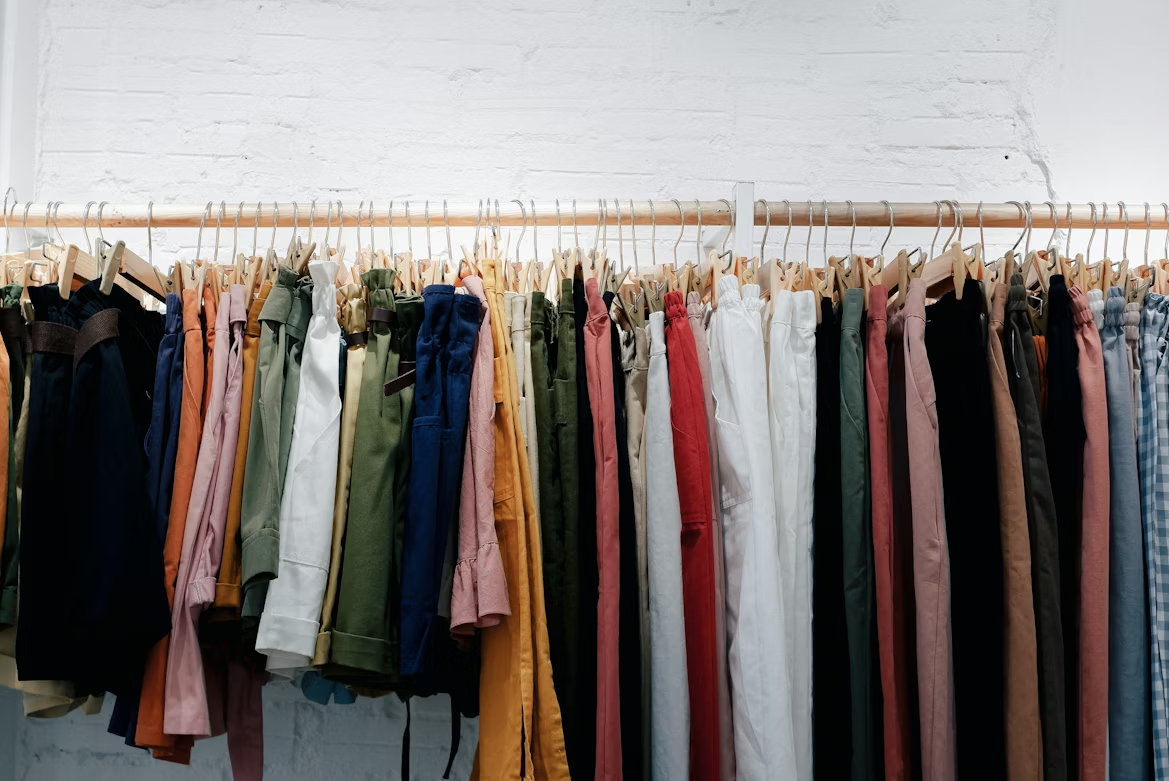
One of the biggest budget mistakes is buying clothes first and figuring out outfits later. This leads to “closet confusion” where nothing matches.
Instead, reverse the process.
how it works:
- Identify a piece you need (example: jeans)
- Build 3–5 outfit ideas mentally or on paper
- Only buy if it fits multiple outfits
outfit planning example table:
| Item Needed | Outfit 1 | Outfit 2 | Outfit 3 | Purchase Decision |
|---|---|---|---|---|
| Black jeans | Casual tee look | Shirt + shoes | Hoodie outfit | Buy |
| Trendy top | 1 outfit only | No match | No match | Skip |
This method alone can reduce unnecessary purchases by 40–60%.
hack 2: use the “cost per wear” rule
Instead of looking at price alone, evaluate how often you will wear an item.
formula concept:
cost per wear = item cost ÷ number of uses
cost efficiency comparison:
| Item | Cost | Uses per year | Cost per wear |
|---|---|---|---|
| Cheap jacket | $30 | 10 | $3.00 |
| Quality jacket | $120 | 80 | $1.50 |
Even though the second item is more expensive upfront, it is cheaper in the long run.
rule takeaway:
If you can’t see yourself wearing it at least 30–50 times, it’s not a good budget buy.
hack 3: stick to a neutral color foundation
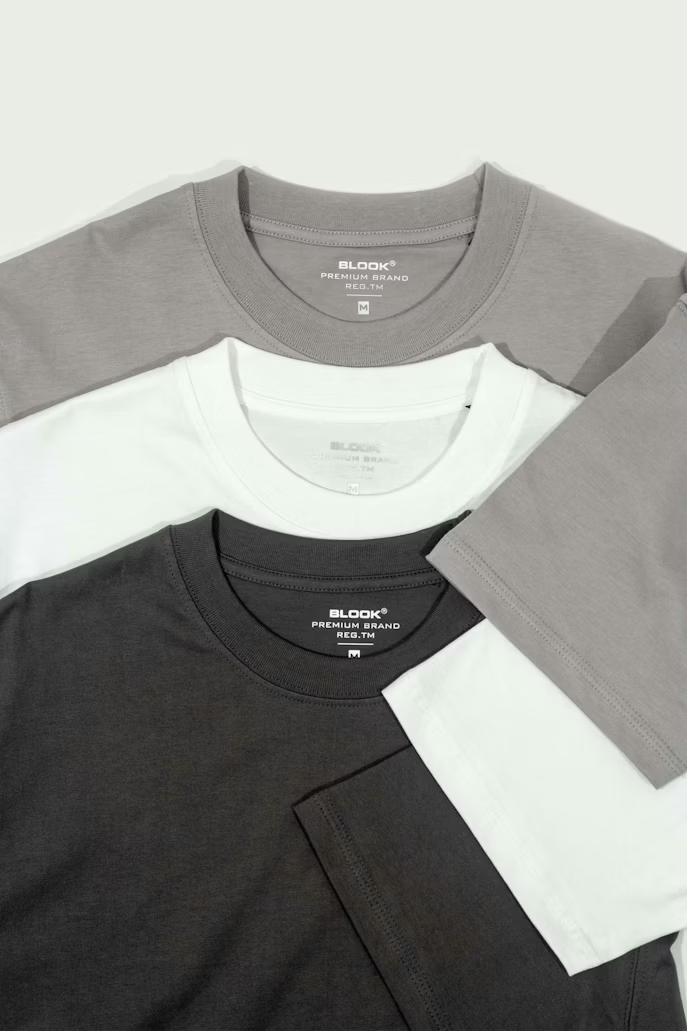
Colors determine how many outfits you can create. Neutral colors multiply outfit combinations without increasing clothing quantity.
best budget neutrals:
- black
- white
- grey
- navy
- beige
color flexibility chart:
| Color | Outfit Matching Power | Budget Value |
|---|---|---|
| Black | Very High | Excellent |
| White | Very High | Excellent |
| Grey | High | Excellent |
| Navy | High | Very good |
| Bright colors | Low-medium | Limited |
Why this saves money:
You need fewer clothes to create more combinations.
hack 4: shop your closet first
Most people forget what they already own. This leads to duplicate purchases.
simple system:
- take everything out once a season
- group similar items together
- create outfits from existing pieces
- identify gaps only after reviewing
closet audit chart:
| Category | Action Needed |
|---|---|
| Worn often | Keep |
| Rarely worn | Re-style |
| Never worn | Remove/sell |
| Duplicate item | Reduce |
This hack often reveals that you already own 70% of what you need.
hack 5: buy multi-purpose clothing only
Budget wardrobes depend heavily on versatility. Every item should work in more than one situation.
examples:
- shirt that works for work + casual
- shoes that match jeans + trousers
- jacket suitable for multiple seasons
versatility scoring table:
| Item Type | Single Use | Multi Use | Budget Score |
|---|---|---|---|
| Graphic tee | Yes | No | Low |
| White shirt | No | Yes | High |
| Blazer | No | Yes | Very high |
| Formal suit | Yes | Limited | Medium |
Rule:
If it only works in one outfit type, it’s a luxury, not a budget item.
hack 6: focus on fabric over brand
Brands don’t determine durability—materials do.
better budget fabrics:
- cotton (breathable, durable)
- denim (long-lasting)
- linen blends (summer-friendly)
- wool blends (winter durability)
fabric durability chart:
| Fabric Type | Lifespan | Comfort | Budget Efficiency |
|---|---|---|---|
| Polyester | Medium | Medium | Medium |
| Cotton | High | High | High |
| Denim | Very High | Medium | Very High |
| Cheap blends | Low | Low | Low |
A cheap item that lasts one year is more expensive than a quality item lasting five.
hack 7: follow a “one in, one out” rule
This prevents clutter and unnecessary spending.
how it works:
- buy one new item
- remove or donate one old item
benefits:
- keeps wardrobe size stable
- forces intentional buying
- prevents duplicate clothing
wardrobe balance table:
| Behavior | Result |
|---|---|
| Constant buying | Clutter grows |
| No buying | Limited options |
| One in/one out | Balanced system |
This also improves decision clarity when dressing.
hack 8: buy basics in bulk, statement pieces sparingly
Budget wardrobes rely heavily on basics, not trendy items.
recommended ratio:
- 80% basics
- 20% statement pieces
basic vs statement comparison:
| Type | Cost | Versatility | Frequency |
|---|---|---|---|
| Basic tee | Low | High | Daily |
| Jeans | Medium | High | Weekly |
| Trendy top | Medium | Low | Rare |
| Statement jacket | High | Medium | Occasional |
Why this matters:
Basics create outfit consistency, while statements add variety.
hack 9: use accessories to multiply outfits
Instead of buying more clothes, use accessories to change looks.
budget-friendly accessories:
- belts
- scarves
- watches
- simple jewelry
- bags
outfit transformation chart:
| Base Outfit | With Accessory | Result |
|---|---|---|
| White shirt + jeans | Belt + watch | Smart casual |
| Black dress | Scarf | Elegant style |
| T-shirt + jeans | Crossbody bag | Street style |
One outfit can become 5–10 different looks with accessories.
hack 10: wait 24–72 hours before buying anything
Impulse buying destroys budget wardrobes.
waiting rule system:
- see item → don’t buy immediately
- wait 1–3 days
- reassess need and outfit match
- decide calmly
impulse vs planned buying table:
| Type | Satisfaction | Waste Rate |
|---|---|---|
| Impulse buy | Low | High |
| Planned buy | High | Low |
Most unnecessary purchases disappear after a short waiting period.
how all 10 hacks work together
These hacks are not isolated—they form a system of financial and style control.
budget wardrobe system chart:
| Area | Focus |
|---|---|
| Planning | Outfit before buying |
| Spending | Cost per wear |
| Selection | Neutral colors |
| Maintenance | Closet audit |
| Longevity | Fabric quality |
When combined, they reduce clothing expenses while improving outfit quality.
real savings impact of a smart wardrobe
A structured budget wardrobe can significantly reduce annual spending.
example comparison:
| Wardrobe Type | Annual Cost | Clothing Waste |
|---|---|---|
| Impulse buyer | High | High |
| Average shopper | Medium | Medium |
| Smart budget system | Low | Low |
common mistakes in budget wardrobes
- buying cheap instead of durable
- following trends too often
- ignoring outfit planning
- overusing discounts
- not tracking what you own
Avoiding these mistakes is more important than buying new clothes.
final thoughts
A smart budget wardrobe is not about limiting style—it’s about removing waste. When you understand how to evaluate clothing properly, plan outfits ahead of time, and focus on versatility, you naturally spend less while dressing better.
These 10 hacks are not shortcuts—they are systems. And when applied consistently, they completely change how you think about clothing, money, and style.
frequently asked questions
- how can I build a wardrobe on a tight budget?
Start with basics, focus on neutrals, and avoid impulse purchases. - what is the most important budget wardrobe rule?
Cost per wear—it determines true value over time. - should I follow fashion trends on a budget?
Only minimally. Trends should not replace essentials. - how many clothes do I actually need?
Most people function well with 25–40 versatile items. - is it better to buy cheap or expensive clothes?
Neither—buy based on durability, fabric, and usage. - how often should I update my wardrobe?
Once or twice a year is enough for most people.