

A wardrobe reset sounds dramatic, but in reality it’s a quiet, practical process. It’s about making your clothes work with your life instead of against it. Trends change, weather shifts, routines evolve—and yet many closets stay stuck in the past. The result is familiar: a full wardrobe with “nothing to wear.”
This guide is not about throwing everything away and starting fresh. It’s about refining what you already have, filling the real gaps, and building a system that works in every season. By the end, you’ll have a wardrobe that transitions smoothly from winter to summer, from casual mornings to formal evenings, and from comfort to confidence.
We’ll break it down step by step, with practical tables, seasonal frameworks, and realistic strategies you can actually follow.
understanding the purpose of a seasonal wardrobe reset
A seasonal reset is less about fashion and more about alignment. Clothes are tools. When they stop serving your needs, friction appears in your daily routine.
Here are the most common problems people face:
- too many clothes but limited outfits
- items that no longer fit lifestyle or climate
- impulse purchases that don’t match anything else
- seasonal clothes mixed together, causing clutter
A reset solves these issues by organizing your wardrobe around function, not just appearance.
Think of your wardrobe in three layers:
| Layer | Purpose | Examples |
|---|---|---|
| foundation | everyday essentials | t-shirts, jeans, basic shirts |
| transitional | adaptable pieces | light jackets, cardigans, scarves |
| seasonal | weather-specific items | coats, swimwear, boots |
The key is balance. Most people overload the seasonal layer and neglect the foundation.
step 1: the honest wardrobe audit
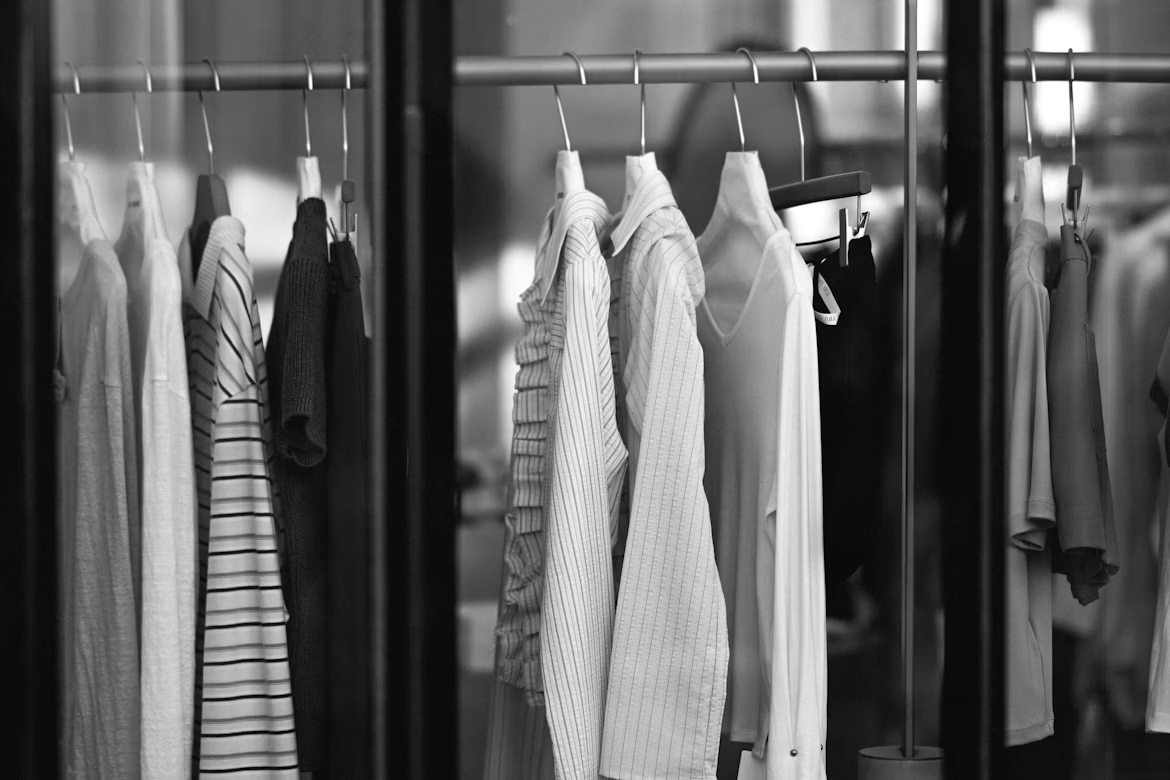
Before adding anything new, you need clarity. That starts with a full audit.
Take everything out. Yes, everything. This is where most people hesitate, but seeing all your clothes at once changes how you think about them.
Sort items into four categories:
| Category | Description | Action |
|---|---|---|
| keep | fits well, worn often | return to wardrobe |
| maybe | unsure or rarely worn | store temporarily |
| donate | no longer needed | remove immediately |
| repair | damaged but valuable | fix within 2 weeks |
The “maybe” pile is crucial. Store it away for 30 days. If you don’t think about those items, you don’t need them.
A simple rule: if you haven’t worn something in a year and it’s not for a specific occasion, it’s probably not essential.
step 2: defining your year-round style core
Instead of chasing seasonal trends, define a consistent personal style. This becomes your anchor.
Ask yourself:
- what colors do I naturally gravitate toward?
- what fits make me feel comfortable and confident?
- what outfits do I repeat without thinking?
Your answers form your style core.
Here’s a simple framework:
| Style Element | Your Choice Example |
|---|---|
| color palette | neutral tones with 2 accent colors |
| fit preference | relaxed but structured |
| fabric comfort | breathable cotton, light wool |
| vibe | minimal, practical, polished |
Once defined, every future purchase must align with this core.
step 3: building the all-season capsule wardrobe
A capsule wardrobe is not about having fewer clothes—it’s about having the right clothes.
Here’s a balanced year-round capsule:
| Category | Items |
|---|---|
| tops | 6–10 (mix of tees, shirts, blouses) |
| bottoms | 4–6 (jeans, trousers, skirts) |
| outerwear | 3–5 (light jacket, coat, blazer) |
| footwear | 3–5 (casual, formal, seasonal) |
| layering pieces | 3–4 (cardigans, sweaters) |
The goal is interchangeability. Every top should work with multiple bottoms.
Outfit formula example:
| Formula | Example |
|---|---|
| top + bottom + layer | t-shirt + jeans + jacket |
| structured + relaxed | blazer + loose trousers |
| neutral + accent | black outfit + bold accessory |
This ensures you can create dozens of outfits from a small set of items.
step 4: seasonal layering strategy
Instead of separate wardrobes for each season, think in layers.
Layering allows the same outfit to adapt across temperatures.
Here’s how it works:
| Season | Base | Mid Layer | Outer Layer |
|---|---|---|---|
| winter | thermal top | sweater | heavy coat |
| spring | t-shirt | cardigan | light jacket |
| summer | breathable top | none/light | optional overshirt |
| autumn | long sleeve | knitwear | trench coat |
The base layer stays similar; only the outer layers change.
This approach reduces the need for completely different wardrobes.
step 5: fabric choices that work year-round
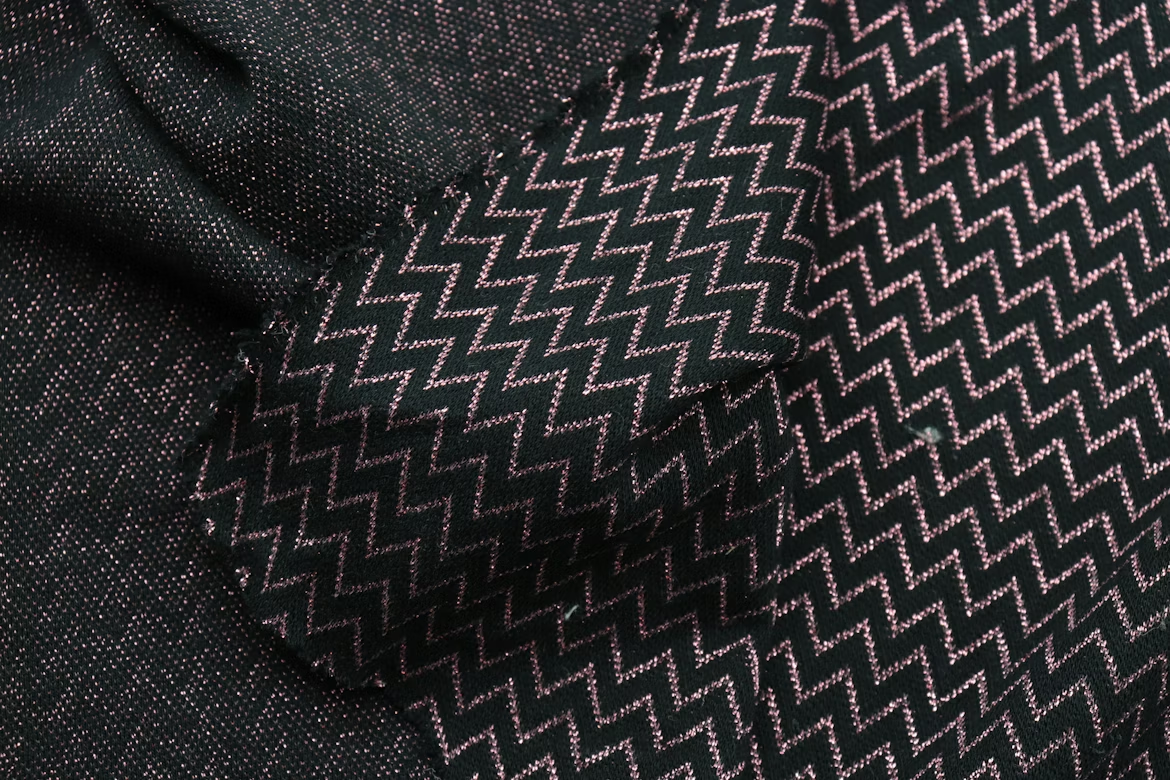
Fabric matters more than people realize. It determines comfort, durability, and seasonality.
Here’s a practical breakdown:
| Fabric | Best For | Season Flexibility |
|---|---|---|
| cotton | everyday wear | all seasons |
| linen | hot weather | summer-focused |
| wool | warmth | autumn/winter |
| blends | versatility | all seasons |
| denim | durability | year-round |
Invest in fabrics that adapt. For example, lightweight wool works in both cool and mild weather.
step 6: color coordination across seasons
Color is what ties your wardrobe together.
Instead of switching palettes every season, use a consistent base with seasonal accents.
Example system:
| Base Colors | Seasonal Additions |
|---|---|
| black, white, grey | summer: beige, light blue |
| navy, brown | autumn: rust, olive |
| neutral tones | winter: deep burgundy, charcoal |
| soft neutrals | spring: pastel accents |
This way, your wardrobe evolves without becoming disjointed.
step 7: wardrobe rotation system
A smart rotation system keeps your wardrobe functional and uncluttered.
Divide your wardrobe into two sections:
| Section | Contents |
|---|---|
| active | current season + essentials |
| storage | off-season items |
At the start of each season:
- move relevant items into active space
- store unused seasonal pieces
- reassess what you didn’t wear last season
This keeps your daily choices simple.
step 8: outfit planning for real life
Most people build wardrobes for an ideal life, not their actual one.
Instead, plan based on your real routine.
Here’s a weekly lifestyle breakdown example:
| Activity | Outfit Type | Frequency |
|---|---|---|
| work | smart casual | 5 days |
| errands | casual | 3–4 times |
| social events | dressy | 1–2 times |
| home | comfort wear | daily |
Your wardrobe should reflect this distribution.
If 80% of your time is casual, 80% of your wardrobe should support that.
step 9: avoiding common wardrobe mistakes
Even with good intentions, people fall into patterns that undo their efforts.
Here are the most common mistakes:
| Mistake | Why It Fails | Better Approach |
|---|---|---|
| buying trends | short lifespan | invest in timeless pieces |
| ignoring fit | reduces confidence | tailor when needed |
| overbuying basics | creates redundancy | focus on variety within basics |
| lack of planning | random wardrobe | follow a system |
The goal is intentionality, not perfection.
step 10: maintaining your wardrobe over time
A reset is not a one-time event. It’s an ongoing process.
Monthly check-in:
| Task | Time Needed |
|---|---|
| review worn items | 10 minutes |
| identify gaps | 5 minutes |
| remove unused pieces | 10 minutes |
Seasonal check-in:
| Task | Time Needed |
|---|---|
| full rotation | 30–60 minutes |
| repair check | 20 minutes |
| donation review | 15 minutes |
Consistency prevents clutter from returning.
a simple visual chart of wardrobe balance
Think of your wardrobe like a pie:
- 50% foundation pieces
- 30% transitional layers
- 20% seasonal items
This balance ensures flexibility without excess.
real-life example: a year-round wardrobe in action
Let’s look at how a single outfit adapts across seasons.
Base outfit:
- white t-shirt
- dark jeans
Seasonal variations:
| Season | Additions |
|---|---|
| winter | wool coat + boots |
| spring | light jacket + sneakers |
| summer | no layer + sandals |
| autumn | cardigan + loafers |
Same core, different expression.
psychological benefits of a wardrobe reset
This process is not just practical—it affects how you feel.
Benefits include:
- reduced decision fatigue
- increased confidence
- better financial control
- stronger personal identity
When your wardrobe works, your day starts smoother.
long-term mindset shift
The ultimate goal is not minimalism or maximalism—it’s alignment.
A good wardrobe:
- reflects your life
- adapts to change
- feels effortless
- reduces stress
You don’t need more clothes. You need better systems.
frequently asked questions
- how often should I reset my wardrobe?
A light reset every season works best, with a deeper review once or twice a year. - how many clothes are ideal for a year-round wardrobe?
There’s no fixed number, but most people function well with 25–40 core items, excluding accessories and specialized clothing. - should I follow fashion trends?
You can, but selectively. Only adopt trends that align with your existing style and can be worn multiple ways. - what if my climate changes drastically between seasons?
Focus on layering and transitional pieces. Invest in outerwear rather than completely separate wardrobes. - how do I stop overbuying clothes?
Track what you wear for a month. You’ll quickly see patterns and avoid buying duplicates. - is a capsule wardrobe too restrictive?
Not if done correctly. It actually increases flexibility because everything works together.