

A well-planned wardrobe doesn’t just make getting dressed easier—it quietly shapes how you feel, how you move through your day, and how confidently you show up in different environments. The challenge, of course, is that weather changes, often unpredictably, and each season demands its own balance of comfort, functionality, and style.
Instead of constantly buying new clothes every few months, the smarter approach is to build a seasonal wardrobe anchored in versatile must-haves—pieces that adapt, layer well, and last beyond trends. This article explores ten essential wardrobe items that work across all seasons, along with practical insights, comparisons, and structured tables to help you make better decisions.
- The all-weather jacket
An all-weather jacket is one of the most valuable investments in any wardrobe. It acts as your outer shield, adapting to chilly mornings, windy afternoons, and even unexpected rain.
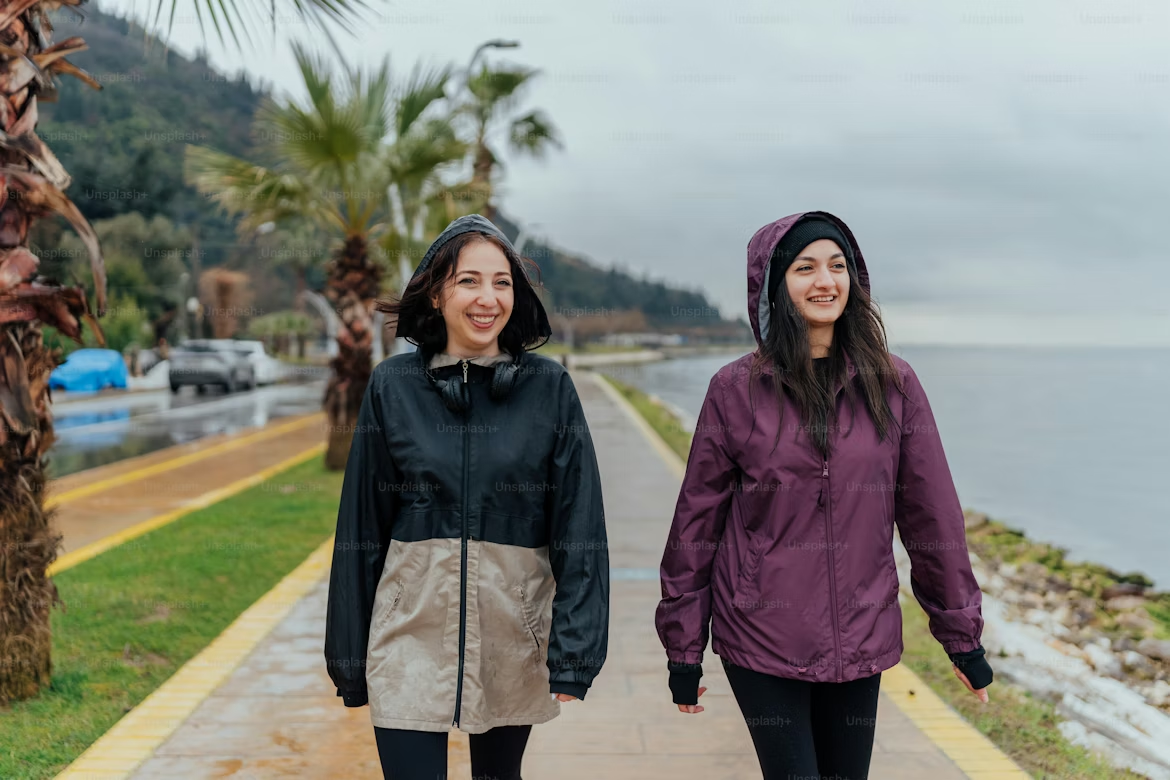
In colder months, it becomes your primary layer. In transitional seasons, it’s often the only outerwear you need. The key is choosing something lightweight yet structured enough to layer over sweaters or shirts.
Look for:
- Neutral colors (black, beige, olive)
- Water-resistant fabric
- Roomy but tailored fit
Table: Choosing the right jacket by season
| Season | Recommended Type | Key Feature | Layering Compatibility |
|---|---|---|---|
| Winter | Insulated parka | Heat retention | High |
| Spring | Trench coat | Breathable + water-resistant | Medium |
| Summer | Lightweight overshirt | Airflow | Low |
| Autumn | Mid-weight jacket | Wind protection | High |
- Breathable cotton shirts
No matter the season, cotton shirts form the backbone of a functional wardrobe. They regulate temperature, absorb moisture, and work equally well as standalone pieces or layering essentials.
In summer, they keep you cool. In winter, they serve as base layers under sweaters or jackets.
Chart: Fabric performance comparison
| Fabric Type | Breathability | Moisture Absorption | Seasonal Suitability |
|---|---|---|---|
| Cotton | High | High | All seasons |
| Polyester | Medium | Low | Activewear |
| Linen | Very High | Medium | Summer |
| Wool | Medium | High | Winter |
- Layering sweaters
A good sweater is more than just a winter item. Lightweight sweaters can be used during cool summer nights or layered during autumn and spring.
The idea is to avoid bulky pieces that only work in extreme cold. Instead, focus on breathable knits that allow flexibility.
Key benefits:
- Easy to layer
- Adds texture to outfits
- Works across at least three seasons
- Durable denim jeans
Denim remains one of the most reliable wardrobe staples across all weather conditions. A well-fitted pair of jeans can be worn year-round with minimal adjustments.
In winter, pair them with boots and coats. In summer, opt for lighter washes and relaxed fits.
Table: Denim weight guide
| Denim Weight | Best Season | Comfort Level | Durability |
|---|---|---|---|
| Lightweight | Summer | High | Medium |
| Mid-weight | Spring/Fall | High | High |
| Heavyweight | Winter | Medium | Very High |
- Versatile footwear
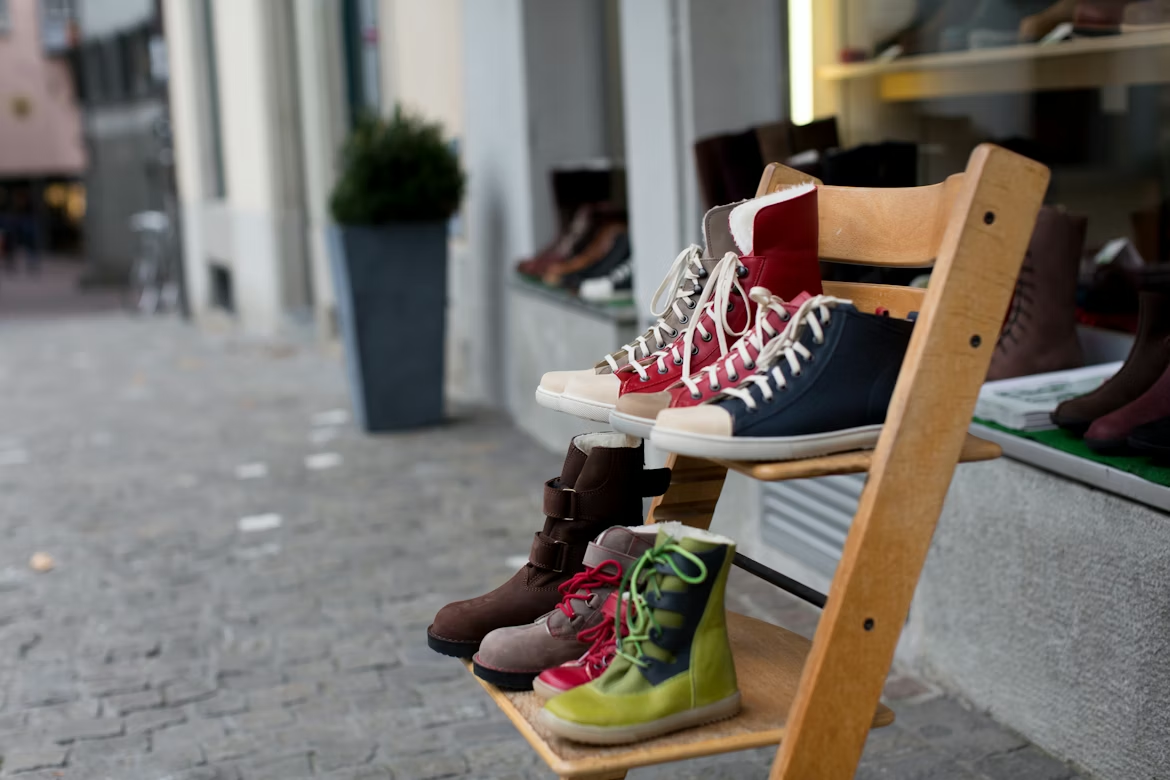
Footwear can make or break seasonal comfort. Instead of owning dozens of pairs, focus on a small collection that covers all conditions.
Core options:
- Breathable sneakers (summer/spring)
- Waterproof boots (rain/winter)
- Loafers or flats (transitional seasons)
Table: Footwear rotation strategy
| Shoe Type | Best Season | Key Advantage |
|---|---|---|
| Sneakers | Spring/Summer | Breathability |
| Boots | Autumn/Winter | Protection |
| Sandals | Summer | Maximum airflow |
| Loafers/Flats | Spring/Autumn | Versatility |
- Lightweight trousers
Not every day calls for denim. Lightweight trousers offer comfort and flexibility, especially during warmer months.
They also transition well into cooler seasons when paired with heavier layers.
Look for:
- Stretch fabric
- Neutral tones
- Wrinkle resistance
- Weather-adaptable accessories
Accessories are often overlooked, but they can dramatically improve seasonal comfort.
Examples:
- Scarves (warmth in winter, style in autumn)
- Sunglasses (essential in summer)
- Hats (sun protection or insulation)
Table: Accessories by weather function
| Accessory | Function | Season Use |
|---|---|---|
| Scarf | Warmth/style | Autumn/Winter |
| Sunglasses | Eye protection | Summer/Spring |
| Gloves | Insulation | Winter |
| Cap/Hat | Sun protection | Summer |
- Moisture-wicking base layers
Base layers are crucial, especially in extreme temperatures. They regulate body temperature and prevent discomfort caused by sweat or cold.
In winter, they trap heat. In summer, they wick away sweat.
Chart: Base layer effectiveness
| Feature | Cotton | Synthetic | Wool |
|---|---|---|---|
| Moisture control | Medium | High | High |
| Odor resistance | Low | Medium | High |
| Temperature control | Medium | High | High |
- A reliable rain layer
Rain can appear unexpectedly, regardless of the season. A compact, waterproof layer ensures you stay dry without sacrificing mobility.
Key features:
- Lightweight
- Foldable
- Breathable lining
- Transitional pieces
These are the items that truly define a smart wardrobe. Transitional pieces bridge the gap between seasons.
Examples:
- Long-sleeve tees
- Light cardigans
- Midi skirts or adaptable bottoms
They reduce the need for constant wardrobe changes and keep your outfits functional year-round.
Seasonal wardrobe planning overview
| Category | Must-Have Item | Year-Round Use | Replacement Frequency |
|---|---|---|---|
| Outerwear | All-weather jacket | High | 2–3 years |
| Tops | Cotton shirts | Very High | 1–2 years |
| Layers | Sweaters | High | 2–3 years |
| Bottoms | Denim jeans | Very High | 2–4 years |
| Footwear | Versatile shoes | High | 1–3 years |
| Accessories | Seasonal add-ons | Medium | 1–2 years |
How to build your seasonal wardrobe step-by-step
- Start with neutral basics
Choose colors that pair easily with everything else. - Focus on layering
Layering increases outfit combinations without increasing item count. - Prioritize fabric quality
Good fabric adapts better to temperature changes. - Avoid trend-heavy items
Trendy pieces often lack longevity. - Rotate seasonally
Store off-season items to reduce clutter and maintain clarity.
Common mistakes to avoid
- Buying for one season only
- Ignoring fabric functionality
- Overloading on similar items
- Choosing style over comfort
- Skipping proper fit
FAQs
- How many clothes should a seasonal wardrobe have?
There’s no fixed number, but most functional wardrobes range between 25–40 pieces per season, depending on lifestyle. - Can one wardrobe really work for all seasons?
Yes, if it’s built around layering and versatile fabrics. The goal is adaptability, not volume. - What colors work best year-round?
Neutral tones like black, white, beige, navy, and gray are the most versatile. - How often should I update my wardrobe?
Instead of seasonal overhauls, review your wardrobe twice a year and replace only worn-out essentials. - Are expensive clothes always better?
Not necessarily. Quality matters more than price. Focus on fabric, stitching, and fit. - What’s the best way to store off-season clothes?
Use breathable storage bags, keep items clean, and store them in a cool, dry place to maintain longevity.