

There’s something quietly transformative about pulling everything out of your closet and starting over. Not in a dramatic, throw-everything-away sense—but in a deliberate, reflective way that forces you to confront how you actually dress, not how you imagine yourself dressing. My closet reset didn’t happen overnight. It unfolded over a few weekends, a few missteps, and a surprising number of realizations that had less to do with fashion and more to do with habits, identity, and time.
What follows are eleven lessons I learned along the way. These aren’t rigid rules or aesthetic prescriptions. They’re observations shaped by trial, error, and lived experience—small shifts that made getting dressed simpler, faster, and more aligned with real life.
lesson 1: fewer pieces don’t limit you—they clarify you
At first, reducing my wardrobe felt like narrowing possibilities. I worried I’d get bored or feel boxed in. But the opposite happened. With fewer pieces, each item had to earn its place, which meant everything worked harder.
Instead of staring at a crowded closet and feeling like I had “nothing to wear,” I started seeing combinations immediately. Decision fatigue dropped. Mornings became smoother.
Here’s a simple comparison of before and after:
| Aspect | Before Reset | After Reset |
|---|---|---|
| Number of items | ~120 | ~45 |
| Daily outfit time | 15–20 minutes | 5–7 minutes |
| Worn regularly | ~30% | ~90% |
| Decision stress | High | Low |
The key wasn’t minimalism for its own sake. It was intentional reduction.
lesson 2: your real life should shape your wardrobe
I used to buy clothes for hypothetical scenarios—events I rarely attended, moods I rarely felt, lifestyles I didn’t actually live. My closet reflected an aspirational version of me.
During the reset, I tracked what I wore for two weeks. The pattern was obvious: casual, comfortable, slightly polished outfits dominated.
So I rebuilt my wardrobe around reality:
| Activity Type | % of Weekly Time | Wardrobe Allocation |
|---|---|---|
| Work (remote) | 40% | 40% |
| Errands | 20% | 20% |
| Social outings | 20% | 20% |
| Relaxation | 20% | 20% |
When your wardrobe mirrors your actual life, everything starts to click.
lesson 3: fit matters more than quantity or brand
One well-fitting shirt beats five average ones. This became painfully clear when I tried on everything I owned.
Clothes that technically “fit” but didn’t flatter or feel comfortable were the biggest culprits behind unworn items. After tailoring a few key pieces and letting go of the rest, I noticed an immediate difference.
A small fit checklist I now use:
| Fit Element | Question to Ask |
|---|---|
| Shoulders | Do seams align with shoulder edge? |
| Length | Does it hit at a flattering point? |
| Movement | Can I move freely without adjustment? |
| Comfort | Would I wear this all day? |
If the answer is no to any of these, the item doesn’t stay.
lesson 4: a limited color palette is a quiet superpower
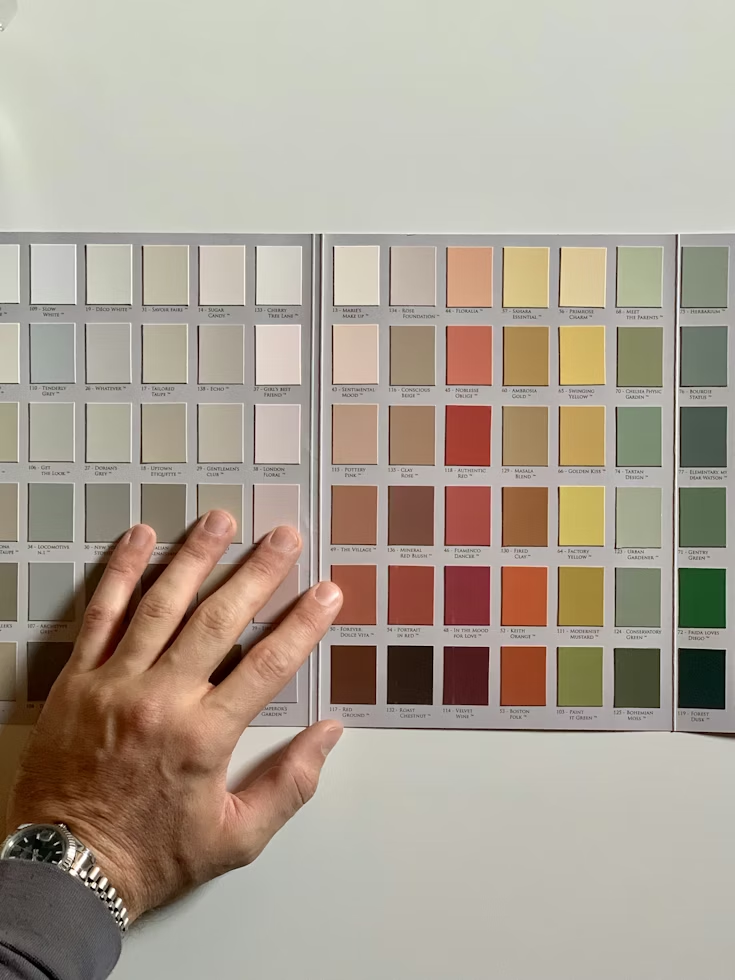
Before the reset, my wardrobe was a mix of random colors. Matching pieces required effort. Now, I stick to a cohesive palette.
Core colors:
- Black
- White
- Beige
- Navy
Accent colors:
- Olive
- Rust
This created effortless combinations. Nearly everything pairs with everything else.
Color coordination table:
| Item Type | Core Colors | Accent Options |
|---|---|---|
| Tops | White, Black | Olive, Rust |
| Bottoms | Black, Navy | Beige |
| Outerwear | Beige, Navy | Olive |
The result isn’t boring—it’s consistent.
lesson 5: repetition is not a failure—it’s a system
I used to avoid repeating outfits, thinking it reflected a lack of creativity. Now I repeat outfits intentionally.
In fact, I built “uniform variations”—go-to combinations that I cycle through.
Example rotation:
| Day | Outfit Formula |
|---|---|
| Monday | White shirt + black trousers |
| Tuesday | Knit top + beige pants |
| Wednesday | Button-down + jeans |
| Thursday | Black tee + navy trousers |
| Friday | Casual shirt + relaxed pants |
Repetition reduces decision-making and builds a signature style.
lesson 6: impulse buying creates long-term clutter
During my reset, I identified a pattern: most unworn items were impulse purchases.
To counter this, I adopted a simple rule: wait 48 hours before buying anything new.
Impulse vs intentional purchase comparison:
| Factor | Impulse Buy | Intentional Buy |
|---|---|---|
| Decision time | Minutes | 48+ hours |
| Outfit compatibility | Low | High |
| Cost per wear | High | Low |
| Satisfaction | Short-term | Long-term |
This single change drastically improved my wardrobe quality.
lesson 7: basics are the foundation, not the fallback
I used to treat basics as afterthoughts. But they’re actually the backbone of a capsule wardrobe.
Key basics I rely on:
| Category | Essential Pieces |
|---|---|
| Tops | White tee, black tee, shirt |
| Bottoms | Black trousers, jeans |
| Layers | Neutral sweater, blazer |
| Shoes | White sneakers, black shoes |
When basics are solid, everything else becomes easier to style.
lesson 8: fabric and texture matter more than you think
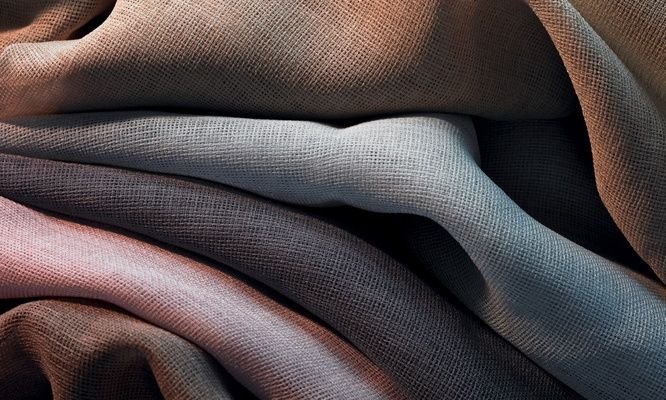
Two outfits with identical colors can feel completely different depending on fabric.
For example:
- Cotton = casual
- Wool = structured
- Linen = relaxed
- Denim = rugged
Texture layering chart:
| Combination | Effect |
|---|---|
| Cotton + denim | Casual everyday |
| Wool + cotton | Smart casual |
| Linen + cotton | Relaxed summer |
| Knit + structured pants | Balanced contrast |
Paying attention to texture added depth without adding more clothes.
lesson 9: accessories can multiply outfits
Instead of buying more clothes, I started using accessories more intentionally.
A single outfit can shift with small changes:
| Base Outfit | Accessory Change | Resulting Style |
|---|---|---|
| White shirt + black pants | Sneakers | Casual |
| Same outfit | Leather shoes | Formal |
| Same outfit | Watch + belt | Polished |
Accessories became my “style adjusters.”
lesson 10: maintenance is part of the system
A capsule wardrobe only works if you maintain it.
I created a simple weekly system:
| Task | Frequency |
|---|---|
| Laundry | Weekly |
| Quick declutter | Weekly |
| Seasonal review | Quarterly |
| Repairs | As needed |
Keeping everything in good condition ensures longevity and consistency.
lesson 11: your style evolves—and that’s okay
The final lesson is perhaps the most important: your wardrobe isn’t static.
What works today might not work next year. And that’s not failure—it’s growth.
Instead of aiming for a “perfect” wardrobe, I now aim for a flexible one.
Here’s how I track evolution:
| Time Period | Style Shift Observed |
|---|---|
| Year 1 | Casual basics |
| Year 2 | More structured pieces |
| Year 3 | Neutral + subtle accents |
Allowing change keeps the wardrobe relevant.
a simple capsule wardrobe structure
To bring everything together, here’s a practical example of a balanced capsule wardrobe:
| Category | Number of Items |
|---|---|
| Tops | 10 |
| Bottoms | 6 |
| Outerwear | 4 |
| Shoes | 4 |
| Accessories | 6 |
| Total | 30 |
This isn’t a strict rule, but a helpful guideline.
closing thoughts
Resetting my closet wasn’t about achieving a minimalist ideal. It was about removing friction from daily life. The real benefit wasn’t fewer clothes—it was clearer decisions, better alignment, and a sense of ease that extended beyond getting dressed.
A capsule wardrobe doesn’t demand perfection. It asks for attention. And once you start paying attention—to what you wear, why you wear it, and how it fits into your life—you begin to see your wardrobe not as a collection, but as a system.
frequently asked questions
- how many items should a capsule wardrobe have?
There’s no fixed number, but most people find 30–50 items practical. The key is usability, not strict limits. - can a capsule wardrobe include trendy pieces?
Yes, but sparingly. Trends can be included as accents, not foundations. - how often should I reset my wardrobe?
A full reset isn’t necessary often. A seasonal review (every 3–4 months) is usually enough. - what if I get bored with fewer clothes?
Boredom often comes from lack of variation in styling, not quantity. Try new combinations before adding items. - is a capsule wardrobe suitable for all lifestyles?
It can be adapted to any lifestyle. The structure changes depending on your daily activities. - do I need to buy new clothes to start?
No. Most capsule wardrobes begin by refining what you already own, not replacing it.
If you approach it thoughtfully, a closet reset isn’t restrictive—it’s freeing in ways that extend far beyond your wardrobe.