

There’s a quiet satisfaction in opening your wardrobe and knowing that whatever the weather decides to do, you’re ready for it. Not in a cluttered, overstuffed way—but in a thoughtful, intentional way. Year-round style isn’t about owning more; it’s about owning smarter. It’s about having the right pieces that transition effortlessly across seasons, moods, and occasions.
This article explores twelve seasonal wardrobe essentials that form the backbone of a versatile, timeless closet. These are not trend-driven items that disappear in a few months—they are dependable, adaptable, and quietly powerful.
understanding seasonal dressing without overcomplication
Before diving into the essentials, it helps to reframe what “seasonal wardrobe” actually means. Many people imagine separate wardrobes for summer, winter, spring, and autumn. In reality, the most effective wardrobes are fluid. Pieces overlap. Layers shift. Materials adapt.
Instead of four distinct wardrobes, think of one core collection that evolves with small additions.
Here’s a simple comparison:
| Season | Traditional Approach | Modern Smart Approach |
|---|---|---|
| Summer | Light, separate clothes | Core pieces + breathable layers |
| Winter | Heavy, bulky wardrobe | Layered system with adaptable items |
| Spring | Transitional confusion | Light layering + color adjustments |
| Autumn | Mixed, often redundant | Reuse summer + add textures |
The essentials below follow this smarter, layered approach.
- the classic white shirt
A well-fitted white shirt is arguably the most versatile piece in any wardrobe. It moves effortlessly from summer to winter, casual to formal.
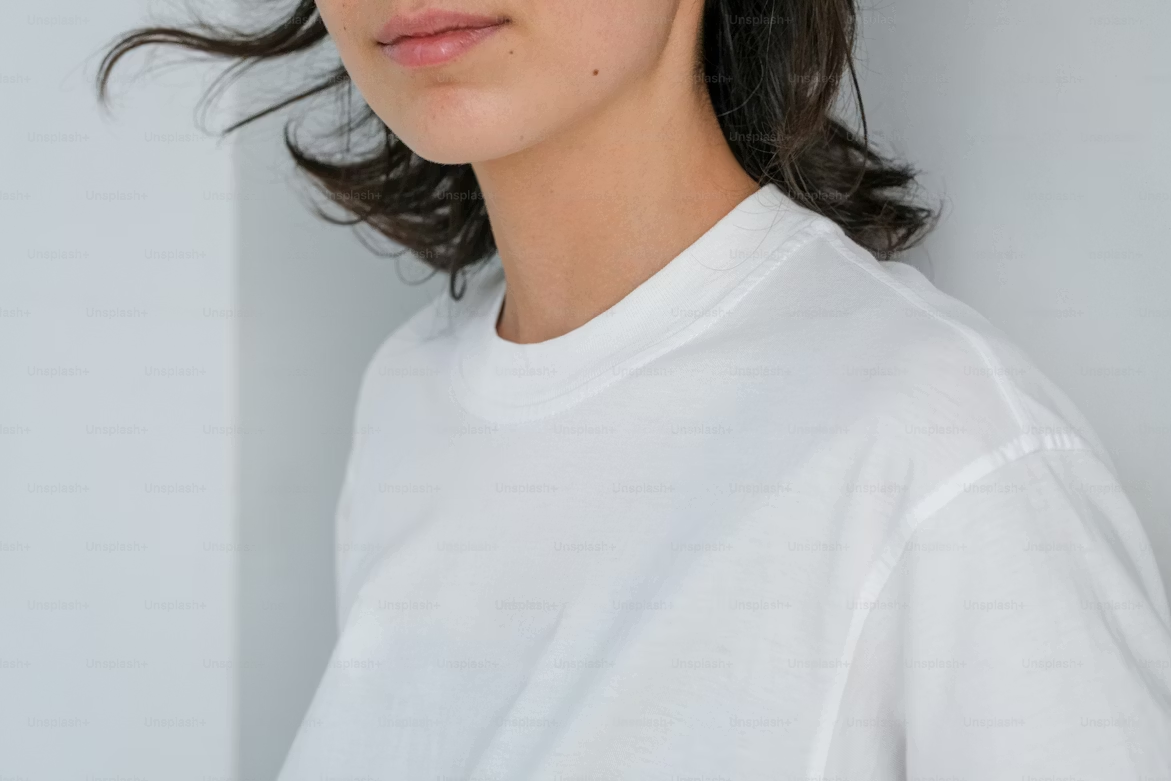
In warmer months, it works as a breathable standalone piece. In colder seasons, it becomes a layering hero—under sweaters, blazers, or coats.
Why it matters:
- Works across all seasons
- Matches nearly everything
- Can be styled up or down
Fabric variations matter:
| Fabric Type | Best Season | Benefit |
|---|---|---|
| Cotton poplin | Summer/Spring | Lightweight, breathable |
| Oxford cotton | Autumn | Slightly heavier texture |
| Flannel cotton | Winter | Warm and soft |
- a lightweight jacket
This is your transitional piece—the one you reach for when the weather can’t decide what it’s doing.
Think of a lightweight jacket as your “in-between” solution.
Examples include:
- Denim jacket
- Bomber jacket
- Light utility jacket
Temperature versatility chart:
| Temperature Range | Use Case |
|---|---|
| 10–15°C | Layer over sweater |
| 15–20°C | Wear over t-shirt |
| 20–25°C | Optional, mostly evening wear |
- a quality pair of jeans
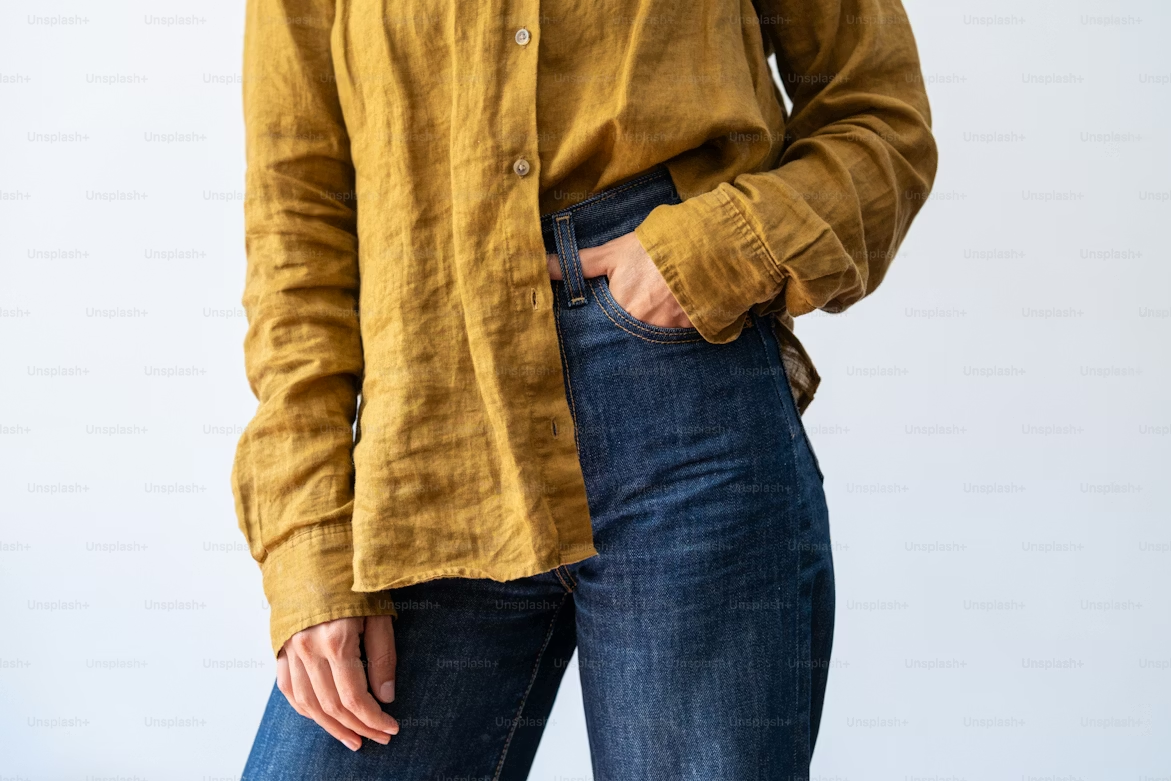
Denim is seasonless, which is exactly why it belongs here. A well-fitted pair of jeans anchors your wardrobe.
Darker washes tend to feel more polished, while lighter washes lean casual and summer-friendly.
Fit guide:
| Fit Type | Best For | Seasonal Flexibility |
|---|---|---|
| Slim fit | Most body types | High |
| Straight fit | Classic look | Very high |
| Relaxed fit | Casual comfort | Moderate |
- breathable t-shirts
T-shirts are the backbone of everyday dressing, especially in warm weather—but they don’t disappear in winter. They simply shift roles.
In summer: primary piece
In winter: layering base
Fabric comparison:
| Material | Breathability | Durability | Best Season |
|---|---|---|---|
| Cotton | High | Medium | Summer |
| Cotton blends | Medium | High | All seasons |
| Linen blends | Very high | Low | Hot climates |
- a versatile blazer
A blazer might seem like a formal piece, but the right one can be worn casually or professionally.
In colder seasons, it layers over sweaters. In warmer months, it pairs with lightweight shirts.
Styling adaptability:
| Occasion | Styling Approach |
|---|---|
| Office | Shirt + trousers |
| Casual | T-shirt + jeans |
| Evening | Dark jeans + loafers |
- comfortable sneakers
Footwear often gets overlooked in seasonal planning, but sneakers bridge the gap between comfort and style.
They work in nearly every season except extreme weather.
Seasonal usage:
| Season | Suitability | Notes |
|---|---|---|
| Spring | Excellent | Light and fresh |
| Summer | Excellent | Breathable options |
| Autumn | Good | Pair with socks/layers |
| Winter | Limited | Weather dependent |
- a warm knit sweater
When temperatures drop, a reliable sweater becomes essential. But not all sweaters are equal—material matters.
Material breakdown:
| Material | Warmth | Breathability | Ideal Use |
|---|---|---|---|
| Wool | High | Medium | Cold weather |
| Cashmere | Very high | High | Lightweight warmth |
| Cotton knit | Medium | High | Mild cold |
- tailored trousers
While jeans handle casual wear, tailored trousers elevate your wardrobe.
They’re surprisingly adaptable and can be worn year-round with the right fabric.
Fabric guide:
| Fabric | Season | Feel |
|---|---|---|
| Light wool | Autumn/Winter | Structured |
| Cotton twill | Spring | Breathable |
| Linen blend | Summer | Airy |
- a weather-resistant coat
This is your shield against unpredictable conditions. A good coat doesn’t just keep you warm—it protects you from wind and rain.
Types of coats:
| Type | Best For | Season |
|---|---|---|
| Trench coat | Rain, mild cold | Spring/Autumn |
| Wool coat | Cold temperatures | Winter |
| Parka | Harsh weather | Deep winter |
- versatile layering pieces
Layering pieces include items like cardigans, hoodies, and vests. These are the glue of your wardrobe—they connect everything.
Layering logic:
| Layer Type | Function |
|---|---|
| Base layer | Moisture control |
| Mid layer | Warmth |
| Outer layer | Protection |
- seasonal footwear rotation
Beyond sneakers, your footwear should evolve slightly with the seasons.
Essential rotation:
| Season | Footwear |
|---|---|
| Spring | Sneakers, loafers |
| Summer | Lightweight sneakers, sandals |
| Autumn | Boots, leather sneakers |
| Winter | Insulated boots |
- accessories that adapt
Accessories are often underestimated, but they play a huge role in seasonal transitions.
Examples include:
- Scarves (winter warmth, autumn texture)
- Sunglasses (summer protection)
- Belts (year-round structure)
Accessory impact chart:
| Accessory | Season Impact | Style Effect |
|---|---|---|
| Scarf | Winter/Autumn | Adds texture |
| Sunglasses | Summer | Functional + stylish |
| Watch | All seasons | Subtle polish |
how these essentials work together
Individually, each item serves a purpose. Together, they create a system.
Here’s a simple outfit combination matrix:
| Item Combination | Season | Result |
|---|---|---|
| White shirt + jeans + sneakers | Spring | Clean casual |
| T-shirt + blazer + trousers | Summer evening | Smart casual |
| Sweater + coat + boots | Winter | Warm and structured |
| Shirt + light jacket + sneakers | Autumn | Balanced layering |
cost vs value: investing wisely
Not all essentials need to be expensive—but some are worth investing in.
Investment priority chart:
| Item | Investment Level | Reason |
|---|---|---|
| Coat | High | Long-term durability |
| Shoes | High | Comfort and wear |
| T-shirts | Low/Medium | Frequent replacement |
| Accessories | Low | Style updates |
common mistakes to avoid
Even with the right essentials, mistakes can limit your wardrobe’s potential.
Frequent issues include:
- Buying trendy items instead of versatile ones
- Ignoring fabric suitability
- Overloading on similar pieces
- Skipping proper fit
Mistake impact table:
| Mistake | Result |
|---|---|
| Poor fit | Reduces overall style |
| Wrong fabric | Seasonal discomfort |
| Too many trends | Short-lived wardrobe |
building your wardrobe gradually
You don’t need to buy everything at once. In fact, it’s better if you don’t.
Suggested timeline:
| Month | Focus |
|---|---|
| Month 1 | Basics (t-shirts, jeans) |
| Month 2 | Outerwear |
| Month 3 | Footwear |
| Month 4 | Accessories |
This phased approach helps you build intentionally.
final thoughts
Year-round style isn’t about chasing fashion—it’s about creating a reliable system. These twelve essentials act as building blocks. Once they’re in place, everything else becomes easier.
You’ll spend less time deciding what to wear, less money on unnecessary purchases, and more time feeling comfortable in your choices.
frequently asked questions
- how many clothes do i actually need for a seasonal wardrobe?
There’s no fixed number, but most people can function comfortably with 25–40 versatile pieces that rotate across seasons. - can i use the same clothes in summer and winter?
Yes. The key is layering. A summer t-shirt becomes a winter base layer, for example. - what is the most important wardrobe essential to invest in first?
A high-quality coat or jacket is often the best first investment because it defines your outer appearance and provides protection. - how do i choose the right fabrics for different seasons?
Focus on breathability for summer (cotton, linen) and insulation for winter (wool, cashmere). Blends work well year-round. - should i follow fashion trends when building my wardrobe?
Trends can be added in small doses, but your core wardrobe should remain timeless and versatile. - how often should i update my wardrobe?
Review your wardrobe every 6–12 months. Replace worn-out items and adjust based on lifestyle changes rather than trends.