
I still remember staring at a closet stuffed with clothes and thinking, “I have nothing to wear.” Sounds ridiculous, right? But if you’ve been there, you know exactly what I mean. Shirts I bought on impulse, jeans that never fit right, a blazer I wore once to a wedding — all taking up prime real estate. That frustration is actually what pushed me down the rabbit hole of building a real, functional wardrobe from scratch.
It took me about two years of trial, error, and a few embarrassing fashion regrets to land on something that actually works. And honestly? The answer wasn’t buying more — it was buying better and thinking smarter about what I actually needed.
So if you’re tired of the chaos, here’s what I learned the hard way about building a timeless closet around wardrobe basics that actually pull their weight.
1. Start With a Closet Audit — Not a Shopping Trip
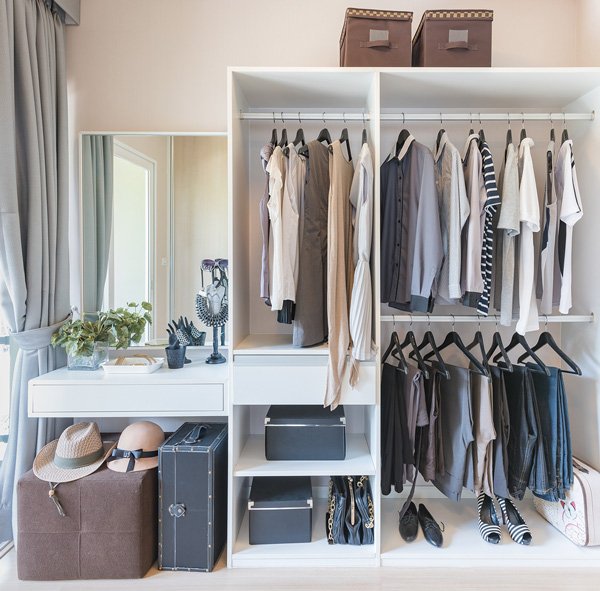
The biggest mistake I made early on was thinking I needed to add things before I figured out what I already had. I’d go to the store, buy a new white tee, and come home to discover I already had four of them — none of which I wore because they didn’t fit quite right.
Before you spend a single rupee or dollar, pull everything out. Yes, everything. Lay it on your bed. Ask yourself honestly:
- Does this fit well right now?
- Have I worn this in the last 12 months?
- Does it go with at least 3 other things I own?
If something fails all three questions, it’s probably taking up space and mental energy without giving anything back.
I used a simple Notes app on my phone to list what I kept, what I donated, and what gaps I noticed. Nothing fancy — just awareness.
Quick Sorting Table:
| Item Type | Keep | Donate | Replace |
|---|---|---|---|
| Well-fitting basics | ✅ | ||
| Trendy one-season pieces | ✅ | ||
| Worn-out staples | ✅ | ||
| Sentimental but unworn | ✅ | ||
| Versatile layering pieces | ✅ |
2. Build Around a Core Color Palette
This was the lesson that genuinely changed how I shop. Before, my closet looked like a confetti explosion — random colors with no cohesion. A mustard yellow top, burgundy joggers, a teal jacket. Nothing worked together, so I kept buying more things to “complete” outfits that were never going to work.
The fix? Commit to a small, neutral-leaning color palette with 1–2 accent colors you actually love.
My personal palette is built around navy, white, beige, and grey — with olive green as my one fun accent. Almost everything I own works with everything else. Getting dressed went from a 15-minute panic to a 3-minute process.
Simple Color Palette Framework:
| Category | Suggested Colors | Number of Items |
|---|---|---|
| Neutrals (base) | White, Black, Navy, Grey, Beige | 60–70% of closet |
| Mid-tones | Olive, Camel, Denim Blue | 20–25% of closet |
| Accent colors | Rust, Burgundy, Forest Green | 10–15% of closet |
If you’re unsure what palette suits your skin tone, a quick Pinterest search for “neutral wardrobe palette” gives you solid visual inspiration without needing a stylist.
3. Invest in Fit, Not Brand Names

I used to think expensive brands automatically meant better style. Then I watched a guy in a perfectly fitted H&M shirt look sharper than someone next to him in a designer top that was half a size too big. That moment stuck with me.
Fit is everything. A $15 basic tee that fits your shoulders, chest, and waist correctly will always look better than a $150 shirt that hangs wrong.
When I started actually getting things tailored — we’re talking small, affordable alterations — it transformed items I’d been ignoring. A simple trouser hem. Taking in the waist on a shirt. It costs almost nothing in most local tailor shops and makes a dramatic difference.
What “Good Fit” Actually Looks Like:
| Clothing Item | Key Fit Checkpoint |
|---|---|
| T-shirt/Shirt | Shoulder seam sits at shoulder edge |
| Trousers | No bunching at crotch, clean break at ankle |
| Jacket/Blazer | Clean back, no pulling across shoulders |
| Jeans | Fits hips without gaping at waist |
Here’s a real tip: before donating something that feels “off,” take it to a tailor first. You might be surprised what’s salvageable.
4. The 10-Item Core List Every Closet Needs
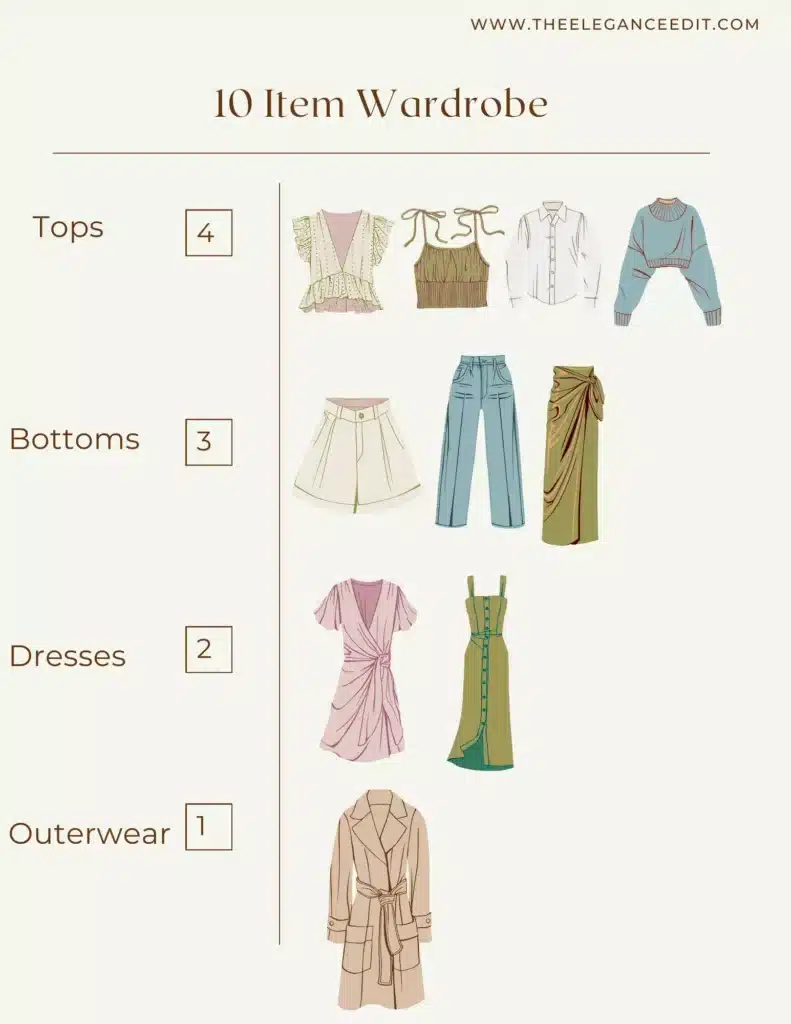
After all my experimenting, I landed on a core list that covers probably 90% of my daily life. It’s not a rigid rulebook — it’s a starting framework you can adapt.
These are the wardrobe basics every closet should have regardless of your personal style:
- White or cream button-down shirt — works with everything, always
- Well-fitted dark jeans — dressier than it sounds
- Neutral crewneck sweatshirt or sweater — your layering MVP
- Tailored trousers — one pair, navy or charcoal
- Plain white/grey t-shirts — 2-3 of them in quality fabric
- A clean, minimal sneaker — white or white-sole
- One versatile jacket — denim, bomber, or blazer depending on your style
- Chinos or casual trousers — in beige or olive
- A comfortable midi skirt or straight-leg pant (for those who wear them)
- One “going out” piece — your one statement item
That’s it. Build outfits from this, and I promise you’ll feel less overwhelmed on Monday mornings.
5. Learn the “Cost Per Wear” Formula Before Every Purchase
This one mindset shift saved me probably thousands of dollars. Instead of looking at the price tag, I started calculating cost per wear before buying anything.
Here’s how it works:
Cost Per Wear = Item Price ÷ Number of Times You’ll Realistically Wear It
So a $100 quality linen shirt you wear 50 times = $2 per wear.
A $20 trendy top you wear twice = $10 per wear.
The cheap thing was actually 5x more expensive in real terms.
Cost Per Wear Comparison Chart:
| Item | Price | Estimated Wears | Cost Per Wear |
|---|---|---|---|
| Quality denim jeans | $80 | 100 | $0.80 |
| Fast fashion jeans | $25 | 10 | $2.50 |
| Classic white shirt | $60 | 80 | $0.75 |
| Trendy printed shirt | $20 | 5 | $4.00 |
| Leather belt | $45 | 200 | $0.23 |
This is also why the ultimate capsule wardrobe guide always emphasizes buying fewer, better things — the math genuinely works in your favor over time.
6. Don’t Ignore the Power of Accessories and Layering
Here’s something a lot of people miss when they’re trying to build a minimal closet: accessories and layering multiply your outfit options without multiplying your clothing count.
I have 10 core items. But with 3 different belts, a watch, two scarves, and varying layering combinations, I can put together weeks of different-looking outfits from the same pieces.
Think about what changes when you:
- Add a watch to a plain t-shirt and jeans
- Throw a blazer over a crewneck
- Tie a scarf around your bag or neck
- Roll your sleeves vs. leaving them down
These small moves shift the energy of an outfit completely. No new clothes required.
Layering Combinations That Always Work:
| Base Layer | Middle Layer | Outer Layer | Vibe |
|---|---|---|---|
| White tee | — | Denim jacket | Casual weekend |
| Button-down | Crewneck sweater | Overcoat | Smart casual |
| Fitted turtleneck | — | Blazer | Polished minimal |
| Striped tee | — | Chore coat | Effortless cool |
7. Refresh, Don’t Replace — Do a Seasonal Swap
One thing that genuinely changed how I feel about my closet is doing a small seasonal refresh instead of a full overhaul every few months. I don’t buy a whole new wardrobe for spring or fall. Instead, I rotate what’s accessible.
Heavy knits and coats go into storage bins under the bed in summer. Light linens and breathable fabrics come forward. Nothing changes, but my closet feels fresh because what I see every morning is relevant to the weather.
This idea is central to a seasonal wardrobe reset — and it’s surprisingly satisfying. It’s like unpacking a box of things you’d half-forgotten. That olive coat feels brand new again in October.
Seasonal Rotation Guide:
| Season | Store Away | Bring Forward |
|---|---|---|
| Spring/Summer | Heavy coats, wool, thick knits | Linens, cotton tees, light jackets |
| Fall/Winter | Sandals, shorts, thin fabrics | Sweaters, boots, layering pieces |
Common Mistakes to Avoid
Let me save you the two years of confusion I went through:
Buying to fill emotional gaps — When you’re bored or stressed, shopping feels productive. It isn’t. Most impulse buys end up ignored.
Chasing trends too hard — Trends are fun, but if you’re anchoring your wardrobe around them, you’ll constantly feel “behind.” Classics carry you through any era.
Ignoring shoe quality — Shoes make or break an outfit. One pair of genuinely good shoes is worth five mediocre ones.
Having “aspirational” items — We all own things we bought for a version of ourselves we haven’t become yet. That formal suit, the hiking gear, the yoga set. Be honest and edit ruthlessly.
Skipping care labels — I ruined two nice shirts by washing them wrong. Thirty seconds reading a tag saves a lot of heartache.
Final Thoughts
Building a timeless closet isn’t really about fashion. It’s about clearing the noise so getting dressed feels easy, not stressful. Once I stopped treating my wardrobe like a collection and started treating it like a toolkit, everything simplified.
You don’t need a lot. You need the right things — pieces that fit well, work together, and actually match your real life (not your imaginary social calendar).
Start small. One audit, one palette decision, one quality purchase you’re actually excited about. It compounds from there.
Also Worth Reading: If you’re trying to style your basics without spending a fortune, check out these 7 budget wardrobe hacks that instantly look expensive — some of these tips genuinely surprised me.
FAQ
Q1: How many items should a basic wardrobe have? There’s no magic number, but most people find that 30–40 well-chosen pieces cover their day-to-day life comfortably. Some minimalists thrive with as few as 20. The goal isn’t a specific number — it’s that everything in your closet gets worn and works together.
Q2: What are the most important wardrobe basics to buy first? If you’re starting from scratch, prioritize fit first: a white tee, dark jeans, one neutral sweater, and a clean pair of shoes. These four things can carry you through most situations while you figure out the rest of your style.
Q3: How do I stop buying clothes impulsively? The 48-hour rule works really well — if you want something, wait two days before buying it. About 80% of the time, the urge passes. Also, keeping a clear list of what you actually need before shopping helps you stay focused.
Q4: Is it worth spending more on basics versus trendy items? Almost always, yes. Basics get worn repeatedly, so the cost per wear drops significantly with quality. Trendy pieces are fun but lose relevance quickly — buy those cheap if you buy them at all.
Q5: How often should I update my wardrobe basics? Replace basics only when they wear out — not on a schedule. A well-made white shirt can last 3–5 years with proper care. Focus on maintaining what you have rather than replacing it on a seasonal schedule.