Minimal fashion is often misunderstood as a lack of creativity, but in reality, it’s the opposite. When done well, minimal wardrobe styling removes chaos and replaces it with clarity. You don’t spend time overthinking outfits, and yet you still look composed, intentional, and put together.
Effortless style is not about owning more—it’s about owning right. The ideas below are practical systems and styling approaches that help you build a minimal wardrobe that consistently works without stress, clutter, or confusion.
- build a neutral color foundation first
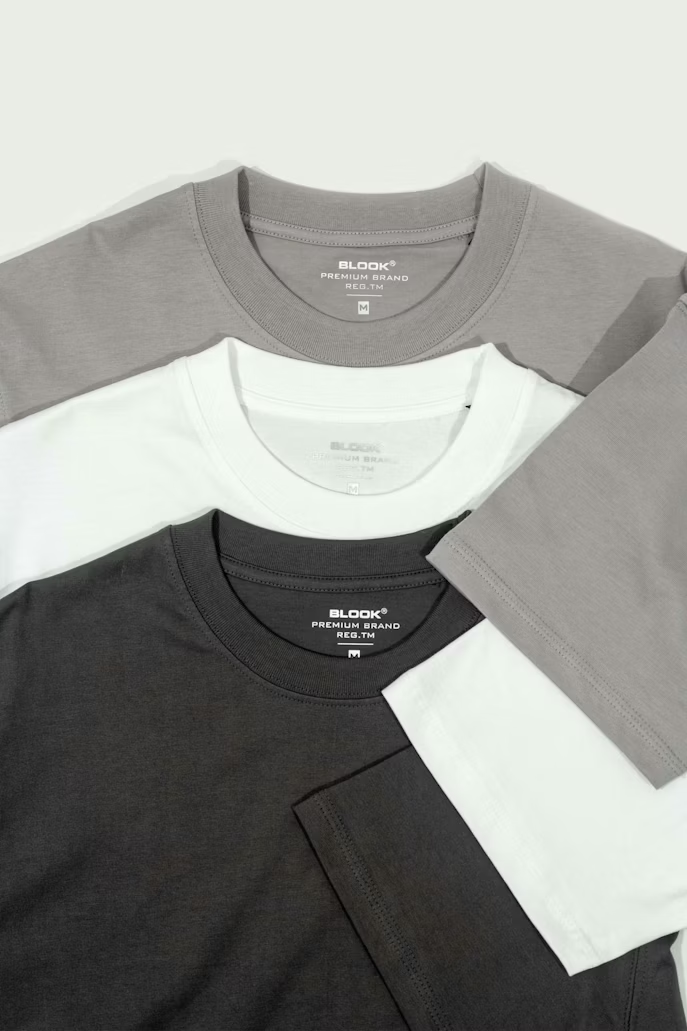
A minimal wardrobe starts with color discipline. When colors work together naturally, outfit creation becomes automatic.
Core neutral palette:
- white
- black
- beige
- grey
- navy
- olive
Neutral combination chart:
| Base Color | Best Pairing | Style Result |
|---|---|---|
| Black | White, grey | Sharp & clean |
| Beige | Cream, brown | Soft & elegant |
| Navy | White, tan | Classic & calm |
| Grey | Black, blue | Balanced & modern |
Why it matters:
Neutral tones reduce visual noise and allow every piece to work together seamlessly.
- create a small capsule foundation
A minimal wardrobe works best when structured like a system, not a collection.
Example capsule structure:
| Category | Number of Items |
|---|---|
| Tops | 6–8 |
| Bottoms | 4–5 |
| Outerwear | 2–3 |
| Shoes | 2–3 |
| Accessories | 3–5 |
Core pieces include:
- plain t-shirts
- structured trousers
- denim jeans
- lightweight knitwear
- neutral jacket
Result:
Fewer items, more combinations.
- rely on outfit formulas instead of guessing
One of the secrets to effortless dressing is repetition of proven formulas.
Simple outfit formulas:
| Formula Type | Example |
|---|---|
| Casual | T-shirt + jeans + sneakers |
| Smart casual | Shirt + trousers + loafers |
| Layered | Tee + cardigan + coat |
| Minimal chic | Monochrome set + flats |
Outfit formula chart:
| Formula | Effort Level | Style Impact |
|---|---|---|
| Basic combo | Low | Medium |
| Layered look | Medium | High |
| Monochrome set | Low | Very high |
Once formulas are established, getting dressed becomes almost automatic.
- embrace monochrome dressing
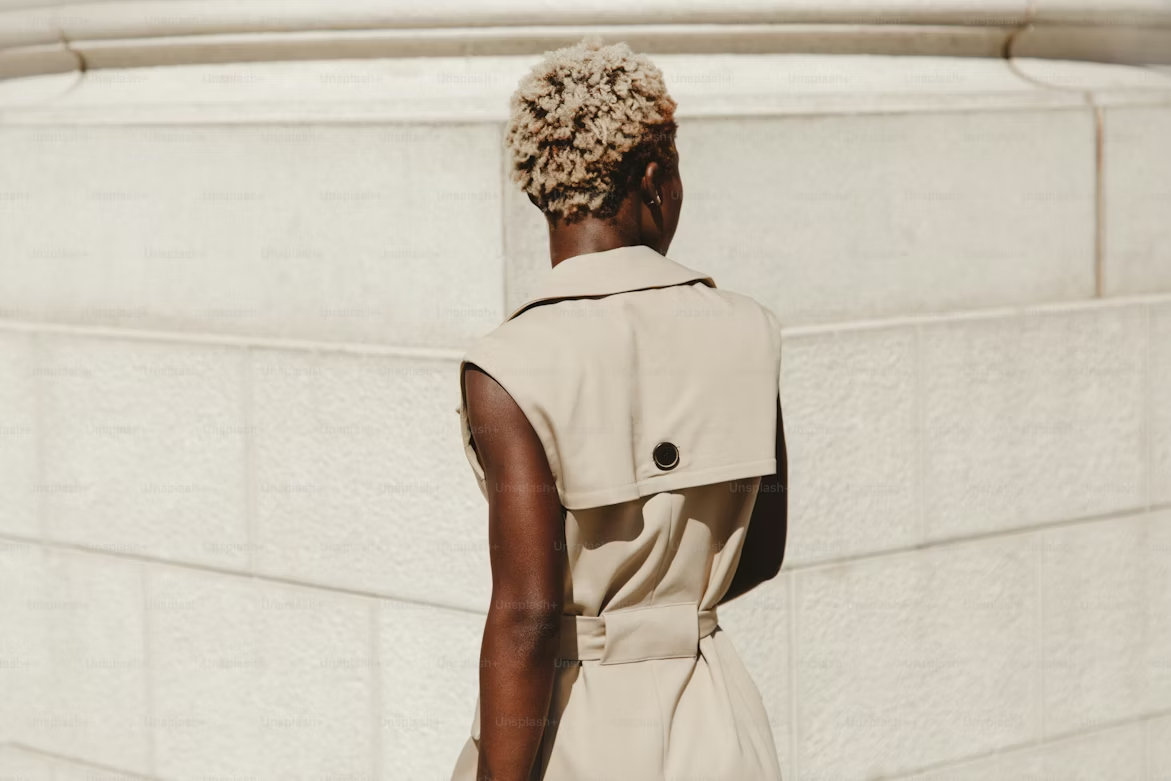
Monochrome outfits are one of the easiest ways to achieve effortless style.
Examples:
- all black outfit
- all beige outfit
- white + ivory combination
Monochrome effectiveness:
| Style Type | Visual Impact | Difficulty |
|---|---|---|
| Monochrome | High | Low |
| Mixed tones | Medium | Medium |
| Random mix | Low | High |
Why it works:
It removes decision fatigue and creates instant harmony.
- prioritize fabric quality over quantity
Fabric plays a major role in how polished an outfit looks.
Best minimal fabrics:
- cotton
- linen blends
- wool
- structured knits
Fabric comparison:
| Fabric | Look Quality | Comfort | Maintenance |
|---|---|---|---|
| Cotton | High | High | Easy |
| Linen | High | High | Medium |
| Polyester | Medium | Medium | Easy |
| Wool | Very high | High | Medium |
Good fabric = effortless elegance.
- build a repeatable outfit rotation
Effortless style often comes from repetition, not variety overload.
Rotation example:
| Day Type | Outfit Choice |
|---|---|
| Work | Shirt + trousers |
| Casual | Tee + jeans |
| Outing | Knit + skirt |
| Travel | Hoodie + joggers |
Rotation benefits:
| Benefit | Level |
|---|---|
| Saves time | High |
| Reduces stress | High |
| Improves style | Medium |
Repeating outfits is not boring—it’s efficient.
- use layering as a style multiplier
Layering turns a small wardrobe into many outfit combinations.
Layer structure:
- base layer (t-shirt, tank)
- mid layer (shirt, knit)
- outer layer (jacket, coat)
Layering combinations:
| Base | Mid | Outer |
|---|---|---|
| Tee | Shirt | Blazer |
| Tank | Knit | Coat |
| Shirt | Vest | Jacket |
Why it works:
Each layer adds depth without adding clutter.
- keep shoes minimal but versatile
Shoes influence the overall tone of an outfit more than most people realize.
Minimal shoe collection:
- white sneakers
- black boots
- neutral flats or loafers
Footwear utility chart:
| Shoe Type | Use Case | Style Level |
|---|---|---|
| Sneakers | Daily wear | High |
| Boots | Winter/smart | High |
| Flats/loafers | Office/casual | Medium-high |
Fewer shoes, more outfit compatibility.
- reduce decision fatigue with “uniform dressing”
A personal uniform simplifies dressing without limiting style.
Examples:
- black trousers + white shirt
- jeans + neutral tee
- knit top + straight pants
Uniform impact:
| Factor | Effect |
|---|---|
| Time saved | High |
| Style consistency | High |
| Creativity stress | Low |
A uniform creates identity and simplicity at the same time.
- choose structured over trendy pieces
Trends change quickly, but structure remains timeless.
Structured items:
- tailored blazer
- straight trousers
- clean-cut shirts
Trend vs structure:
| Feature | Trendy Item | Structured Item |
|---|---|---|
| Longevity | Low | High |
| Versatility | Medium | High |
| Style value | Short-term | Long-term |
Minimal wardrobes rely on stability, not constant change.
- maintain a strict color harmony rule
Too many colors break visual consistency.
Safe minimal palette:
| Category | Colors |
|---|---|
| Neutrals | White, beige, black |
| Accents | Olive, brown, navy |
Color balance chart:
| Type | Usage Level |
|---|---|
| Neutrals | 70% |
| Accents | 30% |
This ratio keeps outfits visually calm and cohesive.
- use accessories with restraint
Accessories should enhance—not dominate—an outfit.
Minimal accessory set:
- simple watch
- neutral bag
- thin jewelry
- belt
Accessory impact:
| Item | Style Contribution |
|---|---|
| Watch | High |
| Bag | High |
| Jewelry | Medium |
| Belt | Medium |
Less clutter = more elegance.
- rotate seasonal wardrobes
Seasonal rotation keeps things simple and organized.
Seasonal breakdown:
| Season | Active Items |
|---|---|
| Summer | Light fabrics |
| Winter | Knitwear, coats |
| Spring | Layers |
| Autumn | Transitional pieces |
Benefits:
- less clutter
- better visibility
- easier styling
- stick to a “one in, one out” rule
To maintain minimalism, balance is necessary.
Rule:
If you buy one item, remove one item.
Inventory control:
| Action | Outcome |
|---|---|
| Add item | Must remove item |
| No removal | No purchase |
This prevents wardrobe overload.
- regularly audit your wardrobe
A minimal wardrobe evolves with your lifestyle.
Audit checklist:
- have I worn this recently?
- does it match my current style?
- can it be styled multiple ways?
Audit results table:
| Decision | Action |
|---|---|
| Keep | Frequent use |
| Store | Seasonal use |
| Remove | Rare use |
Regular audits maintain clarity and usability.
sample minimal wardrobe layout
Here’s a practical example of a 30-piece minimal wardrobe:
| Category | Items |
|---|---|
| Tops | 10 |
| Bottoms | 6 |
| Outerwear | 5 |
| Shoes | 4 |
| Accessories | 5 |
With this structure, hundreds of outfit combinations are possible.
outfit combination matrix
| Tops \ Bottoms | Jeans | Trousers | Skirt |
|---|---|---|---|
| White tee | ✓ | ✓ | ✓ |
| Black shirt | ✓ | ✓ | ✓ |
| Knit sweater | ✓ | ✓ | ✓ |
Even a small wardrobe becomes highly functional.
final thoughts
Minimal wardrobe styling is not about restriction—it’s about refinement. When you simplify your choices, you increase clarity in how you present yourself. You begin to focus less on what to wear and more on how you want to feel.
Effortless style comes from systems, not excess. Once your wardrobe is built on consistency, structure, and intention, dressing well stops being a daily challenge and becomes a natural extension of your routine.
faqs
- how many clothes do i need for a minimal wardrobe
Most people can function well with 25–40 versatile pieces depending on lifestyle and climate. - can minimal wardrobes still include color
Yes, but colors should be limited and coordinated within a controlled palette. - is repeating outfits considered bad style
No. Repetition is a key part of effortless and intentional dressing. - what is the most important factor in minimal style
Fit and cohesion matter more than quantity or brand names. - how do i start building a minimal wardrobe
Start by removing unused items and focusing on neutral, versatile basics. - do accessories matter in minimal fashion
Yes, but they should be subtle and functional rather than decorative or excessive.