
Building a wardrobe that always looks put-together is less about chasing trends and more about choosing the right foundation pieces. When your basics are strong, everything else becomes easier—getting dressed takes less time, outfits feel more cohesive, and your personal style naturally becomes more consistent.
Effortless style doesn’t mean having a large wardrobe. It means having a smart one. The right basics work across seasons, mix easily with each other, and adapt to different occasions without much thought.
This guide breaks down 15 smart wardrobe basics that quietly do the heavy lifting in your everyday style, along with tables, outfit systems, and practical frameworks to help you build a reliable wardrobe from the ground up.
why wardrobe basics matter more than trends
Trends change quickly, but basics stay relevant for years. The idea is to build a system where trends sit on top of a strong foundation, rather than replacing it every few months.
table: basics vs trends comparison
| factor | wardrobe basics | fashion trends |
|---|---|---|
| lifespan | 2–10 years | weeks to months |
| versatility | high | limited |
| cost efficiency | high | low |
| styling ease | very easy | often complex |
| reliability | consistent | unpredictable |
A strong set of basics reduces decision fatigue and increases outfit consistency without effort.
understanding the structure of an effortless wardrobe
Before listing the pieces, it helps to understand how a functional wardrobe is structured.
A balanced wardrobe usually includes:
- foundation basics (core pieces)
- layering pieces (adaptable clothing)
- statement items (occasional use)
- seasonal add-ons (weather-specific pieces)
table: wardrobe structure breakdown
| category | purpose | percentage of wardrobe |
|---|---|---|
| basics | daily wear foundation | 50–60% |
| layering pieces | adaptability and comfort | 20–25% |
| statement items | personality and variety | 10–15% |
| seasonal items | weather-specific functionality | 10–15% |
- the perfect white shirt
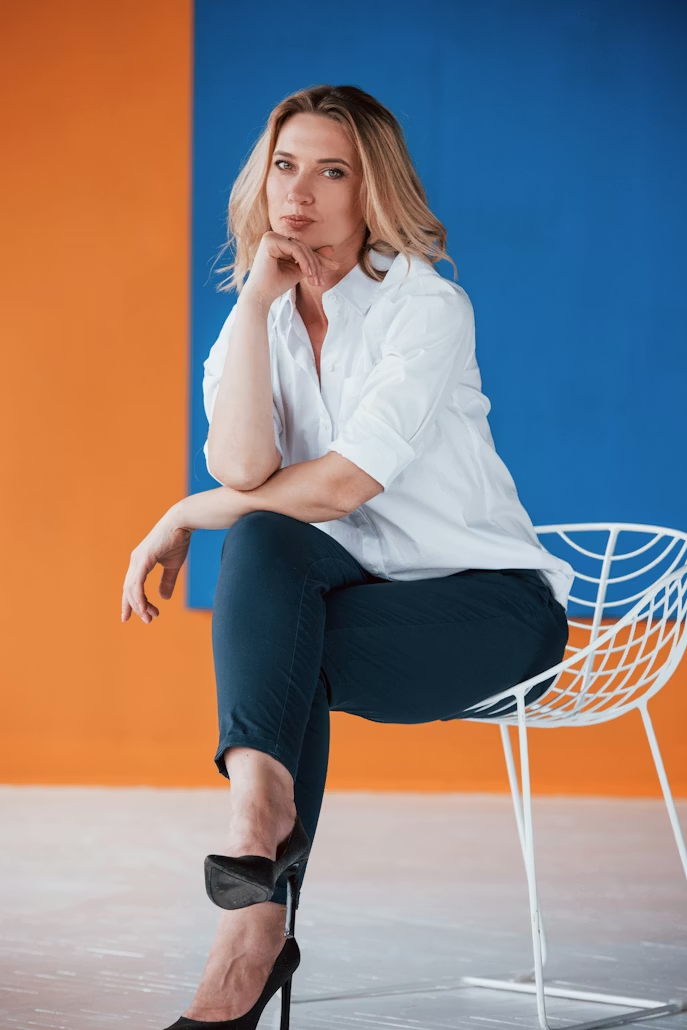
A white shirt is one of the most versatile wardrobe basics. It works for formal outfits, casual looks, and layering.
why it matters:
- pairs with everything
- works year-round
- transitions between formal and casual easily
styling ideas:
- tucked into trousers for office wear
- open over a t-shirt for casual layering
- paired with jeans for minimal style
- well-fitted denim jeans
Denim is a universal base piece that anchors most outfits. Fit matters more than brand or wash.
best fits:
- straight leg (most versatile)
- slim fit (clean silhouette)
- relaxed fit (casual comfort)
table: denim wash guide
| wash type | best use case | style effect |
|---|---|---|
| dark wash | formal-casual hybrid | polished |
| mid wash | daily wear | balanced |
| light wash | casual summer outfits | relaxed |
- neutral t-shirts
Simple t-shirts in neutral shades form the base of casual dressing.
essential colors:
- white
- black
- grey
- beige
why they work:
They act as a blank canvas for layering and accessories.
- tailored trousers
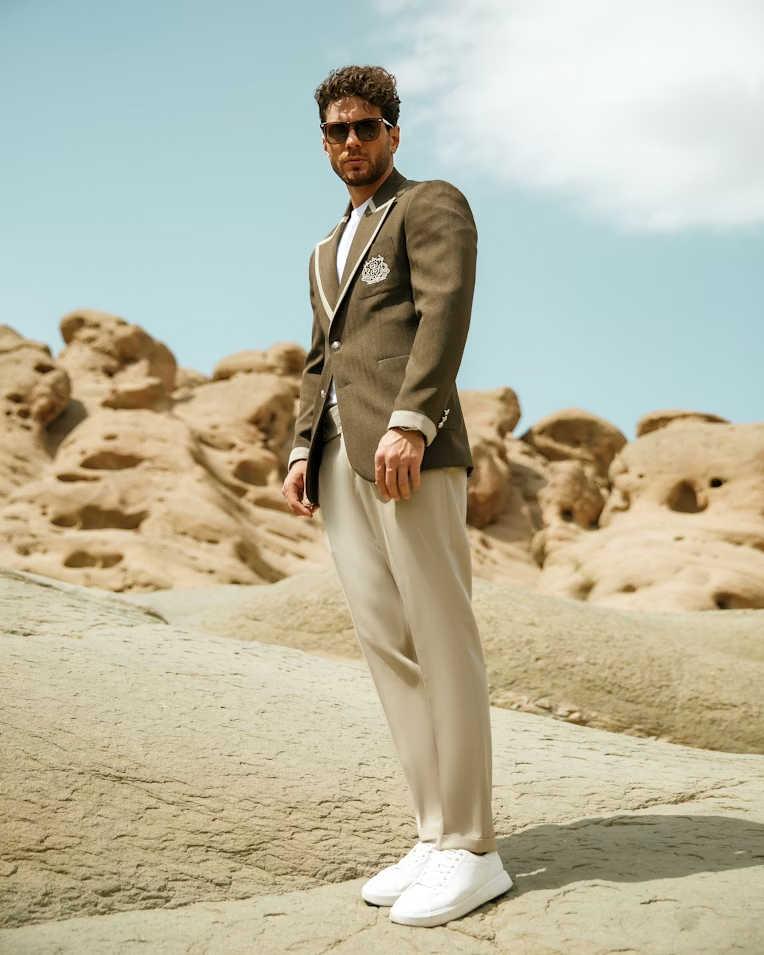
Tailored trousers elevate even the simplest outfit. They bridge the gap between casual and formal wear.
benefits:
- structured appearance
- office-friendly
- works with sneakers or formal shoes
- classic blazer
A blazer instantly upgrades any outfit. It adds structure and polish without requiring effort.
styling combinations:
- blazer + jeans + t-shirt
- blazer + trousers + shirt
- blazer + hoodie (modern casual look)
table: blazer impact levels
| outfit type | style elevation |
|---|---|
| t-shirt + jeans | low |
| shirt + jeans | medium |
| full suit setup | high |
- versatile sneakers
Sneakers are the backbone of modern casual wardrobes. A clean, neutral pair works with almost everything.
best colors:
- white
- black
- grey
why they matter:
They balance comfort and style in daily wear.
- simple leather shoes
A pair of leather shoes is essential for formal or semi-formal occasions.
types:
- loafers
- derbies
- oxford shoes
they add:
- structure
- professionalism
- refinement
- lightweight sweater
A neutral sweater works for layering across seasons.
best materials:
- cotton knit
- wool blend
- merino wool
layering ideas:
- over shirts
- under jackets
- paired with jeans or trousers
- denim jacket
A denim jacket is a timeless layering piece that adds casual structure.
why it works:
- durable
- seasonally flexible
- pairs with almost anything
table: denim jacket styling combinations
| base outfit | result style |
|---|---|
| white t-shirt + jeans | classic casual |
| hoodie + joggers | street style |
| shirt + chinos | smart casual |
- black or neutral hoodie
A hoodie adds comfort while maintaining a clean casual look when chosen in neutral tones.
best uses:
- travel outfits
- relaxed weekends
- layering under jackets
- structured coat
A structured coat is a winter essential that defines your silhouette.
types:
- wool coat
- overcoat
- trench coat
benefits:
- instant polish
- warmth
- layering support
- basic tank tops
Tank tops are underrated but essential for layering and warm weather.
uses:
- base layer under shirts
- summer wear
- gym or active outfits
- versatile skirt or shorts (optional depending on style)
For flexible wardrobes, skirts or shorts add seasonal adaptability.
table: bottom wear flexibility
| item type | season suitability | versatility level |
|---|---|---|
| shorts | summer | medium |
| skirt | spring/summer | high |
| chinos | all seasons | very high |
- everyday accessories
Accessories complete outfits without requiring new clothes.
essential accessories:
- belt
- wristwatch
- simple necklace or bracelet
- sunglasses
why they matter:
They change the perception of an outfit without changing the core pieces.
- reliable outer jacket
A mid-weight jacket bridges seasons and adds structure.
options:
- bomber jacket
- field jacket
- lightweight parka
table: jacket function comparison
| jacket type | weather use | style tone |
|---|---|---|
| bomber | mild weather | sporty |
| parka | cold weather | practical |
| field jacket | transitional | rugged casual |
how to combine wardrobe basics effectively
The real power of basics comes from combinations, not individual items.
outfit formula system:
formula 1:
top + bottom + shoes
formula 2:
base layer + outer layer + shoes
formula 3:
top + structured layer + accessories
example combinations:
table: outfit building examples
| style goal | combination |
|---|---|
| casual | t-shirt + jeans + sneakers |
| smart casual | shirt + chinos + loafers |
| relaxed chic | sweater + trousers + sneakers |
| formal casual | blazer + jeans + leather shoes |
color system for effortless styling
A limited color palette makes outfit coordination easier.
recommended palette:
- black
- white
- grey
- navy
- beige
chart: wardrobe color usage balance
| color type | usage percentage |
|---|---|
| neutrals | 70% |
| accent | 20% |
| bold tones | 10% |
seasonal adaptability of basics
One of the strengths of a well-built wardrobe is that basics work year-round.
table: seasonal adaptability
| item | spring | summer | autumn | winter |
|---|---|---|---|---|
| white shirt | yes | yes | yes | yes |
| jeans | yes | yes | yes | yes |
| blazer | yes | yes | yes | yes |
| hoodie | yes | limited | yes | yes |
| coat | no | no | yes | yes |
common mistakes in building a basic wardrobe
- buying too many trendy pieces
- ignoring fit
- choosing low-quality fabrics
- skipping neutral colors
- not planning combinations
how to keep wardrobe basics looking fresh
Even basic items can feel new with small adjustments:
- change accessories
- experiment with layering
- adjust fit (tuck, roll sleeves, etc.)
- mix formal and casual elements
capsule wardrobe approach using basics
A capsule wardrobe is built almost entirely from basics.
sample capsule:
table: sample 20-piece capsule wardrobe
| category | pieces count |
|---|---|
| tops | 6 |
| bottoms | 4 |
| outerwear | 4 |
| shoes | 3 |
| accessories | 3 |
This setup allows hundreds of outfit combinations.
why simplicity improves personal style
When wardrobe decisions are simplified, attention shifts from “what to wear” to “how to wear it better.” That is where personal style becomes more refined and consistent.
simplicity benefits:
- less decision fatigue
- more consistent outfits
- better long-term cost efficiency
- easier maintenance
final thoughts
Effortless style is not built on excess—it is built on clarity. When your wardrobe is filled with reliable basics, getting dressed becomes a simple process instead of a daily challenge.
The goal is not to own more, but to own better. Each piece should work with multiple others, adapt across seasons, and support your lifestyle without friction.
A strong foundation of wardrobe basics quietly does all the work, allowing your personal style to feel natural, consistent, and effortless every single day.
FAQs
- how many wardrobe basics do I really need?
Most people can build a strong wardrobe with 15–25 well-chosen basics depending on lifestyle and climate. - are basics enough for a stylish look?
Yes, when styled properly. Basics become stylish through fit, layering, and thoughtful combinations. - how often should I replace wardrobe basics?
High-quality basics can last several years. Replace them only when wear and tear becomes noticeable. - what colors should I focus on first?
Start with neutrals like black, white, grey, navy, and beige for maximum versatility. - can basics work for both casual and formal outfits?
Yes. Many basics like shirts, trousers, and blazers transition easily between both styles. - what is the biggest advantage of a basic wardrobe?
It reduces decision-making time and ensures you always have something reliable to wear.