
I still remember standing in front of my overstuffed closet one Sunday morning, completely unable to find something to wear. I had so much stuff — fast fashion hauls, impulse buys, “I’ll wear this someday” pieces — and yet nothing felt right. That was the moment I realized more clothes doesn’t mean better outfits.
So I did something drastic. I donated two garbage bags full of clothes and started from scratch with a strict budget of around $150. What I built over the next few months completely changed how I get dressed every single day.
If you’re trying to build a minimal wardrobe without spending a fortune, this one’s for you. These aren’t just random suggestions — these are the five pieces I actually bought, wore into the ground, and swear by.
1. The White or Neutral Crew-Neck T-Shirt
Sounds boring? That’s the point.
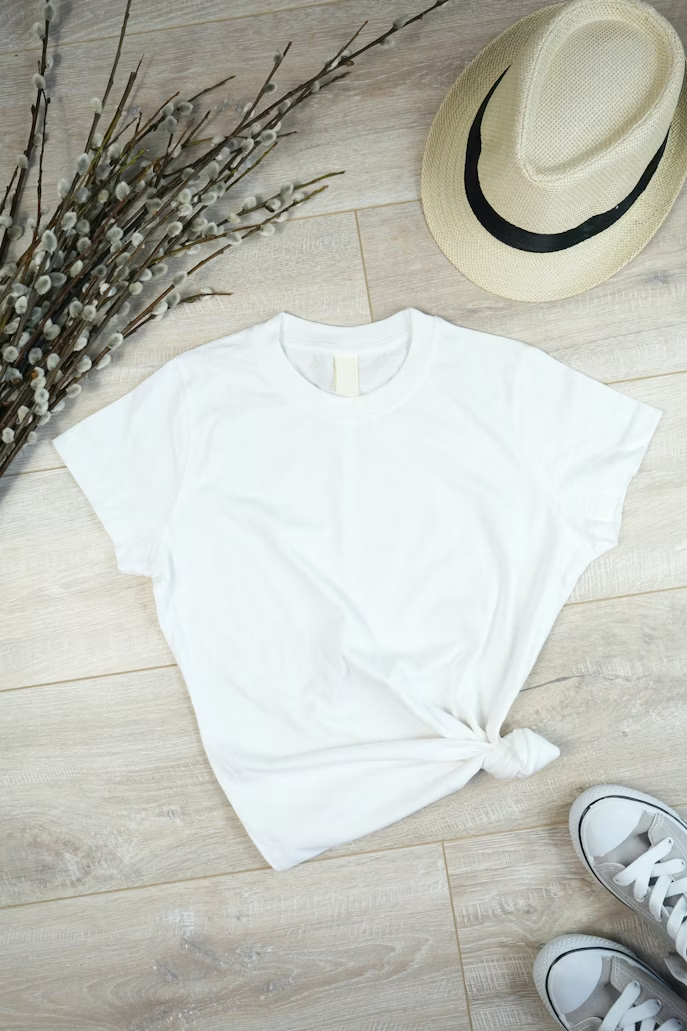
I bought three plain white crew-neck tees from a local basics brand for around $8 each. I genuinely thought they’d feel cheap and disposable. Eighteen months later, I’m still wearing two of them weekly. A good basic tee is the backbone of almost every casual outfit in a minimal wardrobe.
The key is fabric. Don’t go for anything too thin or synthetic — a cotton-poly blend or 100% cotton with a medium weight holds its shape after washing. I learned this the hard way after buying a $4 tee that went see-through after two washes.
How to style it without looking boring:
- Tuck it into high-waist trousers with a belt for a polished look
- Layer under an open button-down shirt
- Wear with dark jeans and clean sneakers for a complete minimal outfit
One thing I’d avoid — avoid buying “fashion whites” that have subtle prints or branding. Keep it clean. Plain. Versatile.
Quick Styling Options for a White Tee
| Outfit Combo | Occasion | Footwear |
|---|---|---|
| White tee + dark jeans | Casual everyday | White sneakers |
| White tee + blazer | Smart casual / office | Loafers |
| White tee + trousers | Business casual | Derby shoes |
| White tee + chinos | Weekend outing | Clean trainers |
| White tee + layer shirt | Relaxed outings | Sneakers or boots |
2. A Dark Wash Straight-Leg Jean
I used to own seven pairs of jeans. Skinny, distressed, light-washed, patchwork — you name it. And honestly? I rotated through maybe two of them. Now I own one pair of dark wash straight-leg jeans and I haven’t once felt like I’m “missing” something.
Dark wash jeans are the holy grail of budget minimalism because they look equally at home dressed up or dressed down. They don’t scream casual. They don’t scream formal. They just work.
I picked mine up during a sale at a mid-range denim brand for around $35. They’ve held their color surprisingly well because I wash them inside-out in cold water and hang-dry them. That small habit has seriously extended their life.
What makes a great budget dark jean:
- Straight or slim-straight cut (more versatile than skinny or wide-leg for most body types)
- Dark indigo with minimal fading or distressing
- Mid-rise (pairs with everything without showing a gap when you bend)
- Real pockets (non-negotiable, honestly)
If you want to go deeper into building a minimal closet from scratch, this guide on 9 Easy Capsule Wardrobe Building Steps to Simplify Your Closet breaks down the whole process really well.
3. A Fitted Neutral Chino or Trouser

This one took me a while to appreciate. For years I thought trousers were “too formal” for everyday life. Then I tried a pair of slim-fit beige chinos and realized I’d been sleeping on the most versatile piece in menswear.
Chinos bridge that awkward gap between jeans and dress pants. They’re casual enough for a coffee run but put-together enough for a dinner out or a relaxed office environment.
For budget picks, I’d look at brands like Uniqlo, H&M’s basics line, or even thrift stores — I found a barely-worn pair of olive chinos at a secondhand shop for $6. They needed a small hem adjustment (cost me $3 at a tailor), and they’ve been in rotation ever since.
The color rule I follow: Stick to neutrals only — beige, olive, navy, grey, or black. These will pair with literally every shirt in your closet.
Chino Color Versatility Chart
| Chino Color | Pairs Best With | Avoid Pairing With |
|---|---|---|
| Beige | White, navy, olive tops | Cream or khaki tops |
| Olive | White, grey, black tops | Brown or orange tops |
| Navy | White, grey, striped shirts | Black (too similar) |
| Grey | Almost anything | Clashing bright colors |
| Black | White, grey, navy tops | Very dark navy |
4. A Clean, Minimal Sneaker
Shoes make or break an outfit. I used to think expensive shoes were required to look good — until I started paying attention to what made shoes look good. It’s not price. It’s cleanliness and simplicity.
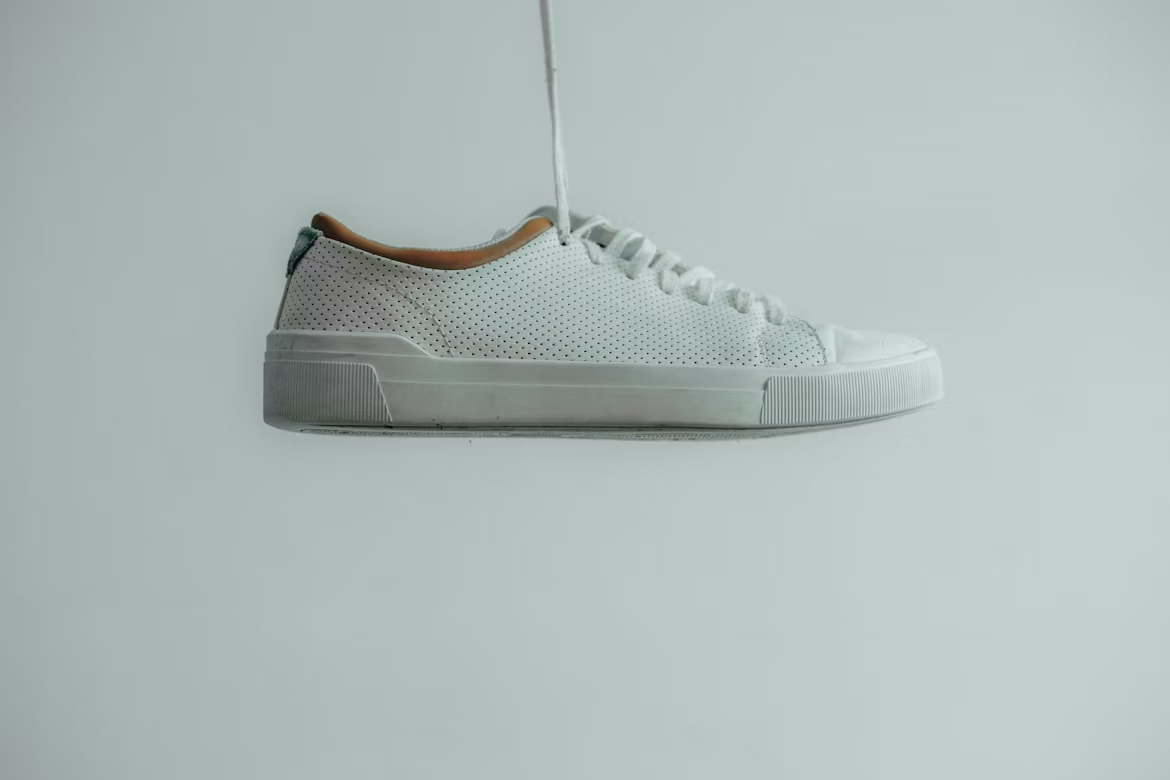
A clean, all-white or white-and-grey low-top sneaker will go with almost every casual outfit you own. I bought a pair of canvas sneakers from a budget brand for about $22 and kept them looking fresh with a sneaker cleaning kit I grabbed for $7. Over two years, that’s an incredibly low cost-per-wear.
My sneaker care routine (takes 5 minutes):
- After every wear, wipe down the rubber soles with a damp cloth
- Once a week, use a small soft brush on the canvas or leather upper
- Stuff with newspaper if wet to hold shape
- Use a whitening eraser for scuff marks on rubber
The mistake most people make? Buying bright, logo-heavy, chunky sneakers thinking they’re “statement” pieces — then realizing they clash with most of their wardrobe. Minimal sneakers disappear into your outfit in the best possible way.
If you’re also trying to figure out how to dress on a tight budget without compromising on style, this piece on 9 Smart Capsule Wardrobe Building Tips on a Tight Budget is genuinely one of the most practical reads out there.
Cost-Per-Wear Comparison: Sneaker Investment
| Sneaker Type | Price Paid | Est. Wears/Year | Cost Per Wear |
|---|---|---|---|
| Budget minimal sneaker | $22 | 200 | $0.11 |
| Mid-range logo sneaker | $80 | 80 | $1.00 |
| Designer statement sneaker | $200 | 30 | $6.67 |
| Thrifted clean sneaker | $10 | 150 | $0.07 |
Numbers are estimates based on typical wear frequency — the point is minimal basics get worn more.
5. A Single Layering Piece — Overshirt, Jacket, or Cardigan
This one is where I see people overspend the most. They buy multiple jackets “for different occasions” and end up with five that barely get worn. What you actually need is one good layering piece that works across seasons.
My personal pick? A medium-weight overshirt in a neutral tone — olive, navy, or tan. I found mine at a thrift store for $12. It functions as a light jacket in spring and fall, a layer over a tee in summer evenings, and an indoor shirt in mild winter days. It genuinely does the work of three items.
If you’re in a colder climate, a charcoal grey cardigan does a similar job and layers beautifully under a jacket in winter.
What to look for:
- Medium-weight fabric (not too thick, not paper-thin)
- Neutral color that works with your jeans AND your chinos
- Simple buttons or zip — minimal hardware
- Fits relaxed but not oversized (you want to layer under it too)
What to avoid:
- Anything with heavy branding or logos
- Trendy cuts that won’t work next year
- Fabrics that pill after a few washes (check the fiber content — avoid low-quality polyester mixes)
Layering Piece Suitability by Season
| Layering Piece | Spring | Summer | Fall | Winter |
|---|---|---|---|---|
| Lightweight overshirt | ✅ | ✅ (evenings) | ✅ | ❌ |
| Medium cardigan | ✅ | ✅ (AC rooms) | ✅ | ✅ (with coat) |
| Denim jacket | ✅ | ✅ (evenings) | ✅ | ❌ |
| Fleece/knit pullover | ❌ | ❌ | ✅ | ✅ |
| Trench coat | ✅ | ❌ | ✅ | ✅ (mild) |
Mistakes I Made So You Don’t Have To
Building a budget minimal wardrobe sounds simple, but I made plenty of wrong turns before I figured it out. Here are the ones worth knowing upfront:
Buying “almost right” pieces. If the color is slightly off or the fit needs major tailoring, walk away. Budget pieces don’t have the quality margin to survive a lot of alterations.
Shopping by trend instead of function. That wide-leg cargo pant was everywhere for a season. I bought it. It sat unworn for eight months because it didn’t work with anything else I owned.
Ignoring fabric content. Anything below 50% cotton in basics tends to pill, stretch weird, or feel sweaty. Check the tag — it takes three seconds.
Not owning a steamer. A $25 handheld garment steamer will make budget clothes look twice as expensive. Seriously. Wrinkled basics look cheap; smooth ones look intentional.
Replacing too fast. Some items look rough after a wash or two but recover with proper care. Give things a fair shot before binning them.
Putting It All Together — Sample Outfits from 5 Pieces
Here’s the thing people don’t realize about a minimal wardrobe — the math is really satisfying once it clicks.
With just these 5 essentials, here are some outfits you can actually build:
Outfit 1 (Casual): White tee + dark jeans + white sneakers Outfit 2 (Smart casual): White tee + chinos + overshirt open + sneakers Outfit 3 (Relaxed but put-together): White tee + dark jeans + overshirt buttoned + sneakers Outfit 4 (Slightly elevated): Chinos + white tee tucked + cardigan + sneakers Outfit 5 (Weekend errands): Dark jeans + overshirt as a top + sneakers
Five pieces. Five distinct looks. No stress in the morning.
That’s exactly the kind of thinking behind a well-built capsule wardrobe — if you want to explore more outfit combinations from a small wardrobe, 10 Capsule Wardrobe Outfits That Always Work gives you a ton of practical examples.
The Budget Breakdown
Here’s roughly what you can expect to spend if you’re starting from scratch — these are realistic budget figures, not optimistic ones:
| Item | Budget Price Range | Where to Buy |
|---|---|---|
| Neutral crew-neck tee (x2) | $8–$16 | H&M, Uniqlo, local basics brands |
| Dark wash straight jeans | $25–$40 | Sales, Uniqlo, thrift stores |
| Neutral chino/trouser | $15–$35 | Thrift stores, H&M, sales |
| Minimal white sneakers | $20–$35 | Budget brands, Vans basics |
| Overshirt or cardigan | $10–$30 | Thrift stores, Zara sale, H&M |
| Total | $78–$156 |
That’s a complete, fully functional wardrobe for under $160. And if you’re strategic about thrift shopping, you can do it for half that.
Final Thoughts
The biggest shift for me wasn’t about having fewer clothes — it was about having the right clothes. Once I stopped chasing variety and started chasing versatility, getting dressed became genuinely enjoyable.
You don’t need a big budget. You don’t need a huge closet. You just need a handful of pieces that actually work together, that fit well, and that you actually like wearing.
Start with these five. Wear them. See how they hold up. Then build slowly from there — only adding something new when you’ve identified a real gap, not just a momentary craving.
It’s a slower process than a shopping haul, but the results are so much more satisfying.
Also worth reading: 7 Real Life Budget Wardrobe Lessons I Learned Late — some honest reflections from someone who made a lot of the same mistakes first.
FAQs
Q1: Can I really build a complete wardrobe for under $150?
Yes — especially if you’re open to thrift stores, end-of-season sales, or budget-friendly basics brands. The key is buying fewer, better-fitting pieces rather than a lot of cheap items that don’t work together. I’ve done it multiple times and the math absolutely works out.
Q2: How do I know if a budget piece is actually worth buying?
Check three things: the fabric content (look for at least 50% natural fibers in basics), the stitching quality (tug gently at the seams — they shouldn’t give easily), and the fit right off the rack. If it needs significant tailoring, factor that cost in or move on.
Q3: Is thrift shopping worth it for building a minimal wardrobe?
Absolutely. Thrift stores are one of the best-kept secrets for minimalists on a budget. You can find high-quality pieces from better brands at a fraction of the price. The trick is to go often, know your measurements, and not compromise on fit just because it’s cheap.
Q4: How many clothes does a minimalist actually need?
There’s no magic number, but most practicing minimalists settle somewhere between 20–35 total items including shoes and outerwear. The real goal isn’t a specific number — it’s making sure everything you own gets regular use. If something sits untouched for three months, it’s probably not earning its place.
Q5: What’s the biggest mistake beginners make with a budget minimal wardrobe?
Buying neutrals that don’t actually match each other. Not all beige is the same. Not all navy is the same. Before you buy, hold pieces together (or look at swatches) to make sure your “neutrals” genuinely work as a cohesive palette. This is a small detail that makes a massive difference.