

A clean look is not about owning expensive clothes or following every trend that appears online. It is about clarity, structure, and intention. When someone looks “put together,” what you are really seeing is a set of small decisions working together quietly: color coordination, fit balance, fabric choice, and overall simplicity.
The surprising truth is that most people already own enough clothes to achieve a clean, stylish appearance. The difference lies in how those clothes are organized and combined. This article breaks down seven practical wardrobe basics secrets that create a consistently clean look without overthinking outfits every morning.
Each section includes practical systems, tables, and breakdowns so the ideas are easy to apply rather than just understand.
Secret 1: Build a neutral-first wardrobe foundation
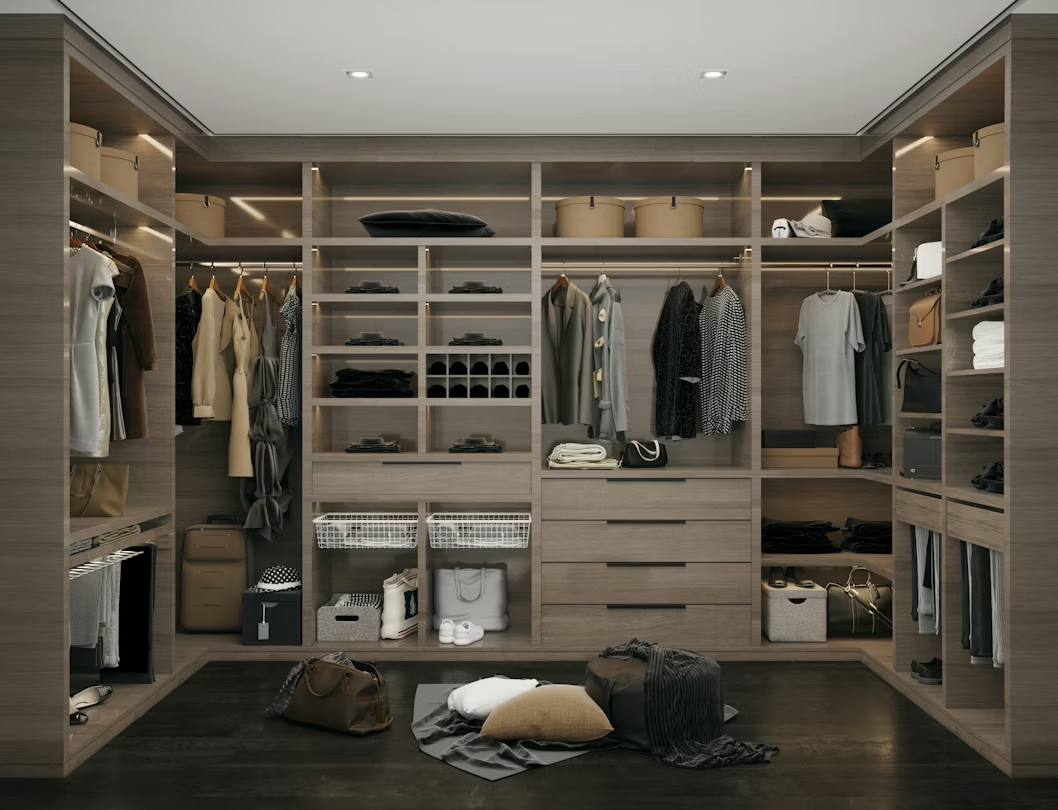
A clean look always starts with color control. The more chaotic your color palette, the harder it becomes to look intentional. Neutral tones create instant visual order because they reduce contrast noise.
Neutral colors typically include:
- White
- Black
- Grey
- Navy
- Beige
- Olive (soft neutral-earth tone)
The goal is not to eliminate color completely, but to ensure most of your wardrobe is built around neutral foundations.
Wardrobe color structure guide
| Category | Recommended Percentage | Purpose |
|---|---|---|
| Neutrals | 60–70% | Base of all outfits |
| Accent colors | 20–30% | Personality and variation |
| Statement items | 10% | Highlight pieces for variety |
Why this works:
Neutral colors naturally combine with each other. You don’t have to “match”—you simply “pair.” This eliminates decision fatigue and reduces styling errors.
Example neutral outfit combinations:
| Top | Bottom | Resulting look |
|---|---|---|
| White tee | Black jeans | Clean minimal contrast |
| Grey knit | Beige pants | Soft monochrome balance |
| Navy shirt | Grey trousers | Smart casual tone |
When your wardrobe is neutral-heavy, even random combinations tend to look intentional.
Secret 2: Prioritize fit over everything else
Fit is the foundation of a clean appearance. Clothes that fit well automatically look more expensive, even if they are not. On the other hand, poorly fitting clothes make even premium outfits look unpolished.
Fit is not just about size—it is about proportion.
Key fit zones to evaluate:
- Shoulder alignment
- Sleeve length
- Pant break (how trousers sit on shoes)
- Waist shaping
Fit comparison table
| Fit Type | Visual Effect | Clean Look Rating |
|---|---|---|
| Too tight | Forced, uncomfortable | Low |
| Too loose | Sloppy, unstructured | Low |
| Proper fit | Sharp, balanced | High |
| Tailored fit | Polished, refined | Very High |
Even small adjustments make a noticeable difference. For example:
- Rolling sleeves correctly instead of letting them bunch
- Hemming pants to proper length
- Choosing structured shoulders in jackets
A simple rule: if the silhouette is clean, the outfit looks clean.
Secret 3: Stick to high-clarity fabrics
Fabric choice plays a bigger role in “clean aesthetics” than most people realize. Some fabrics naturally look messy due to texture, while others hold shape and structure better.
Clean-look fabrics:
- Cotton (structured, breathable)
- Poplin (smooth shirt fabric)
- Wool blends (for structure in colder weather)
- Denim (mid-weight, structured)
- Linen blends (only when well-pressed)
Fabrics that often break a clean look:
- Overly wrinkled linen (if unmaintained)
- Thin jersey that loses shape
- Overly shiny synthetic materials
- Heavy pilling knits
Fabric clarity chart
| Fabric Type | Structure | Wrinkle Resistance | Clean Appearance |
|---|---|---|---|
| Cotton | High | Medium | High |
| Linen | Low | Low | Medium |
| Wool | High | High | High |
| Polyester blend | Medium | High | Medium |
| Jersey knit | Low | High | Low–Medium |
The clean look depends heavily on structure retention. Clothes that hold shape automatically appear more intentional.
Secret 4: Create a simplified outfit formula system
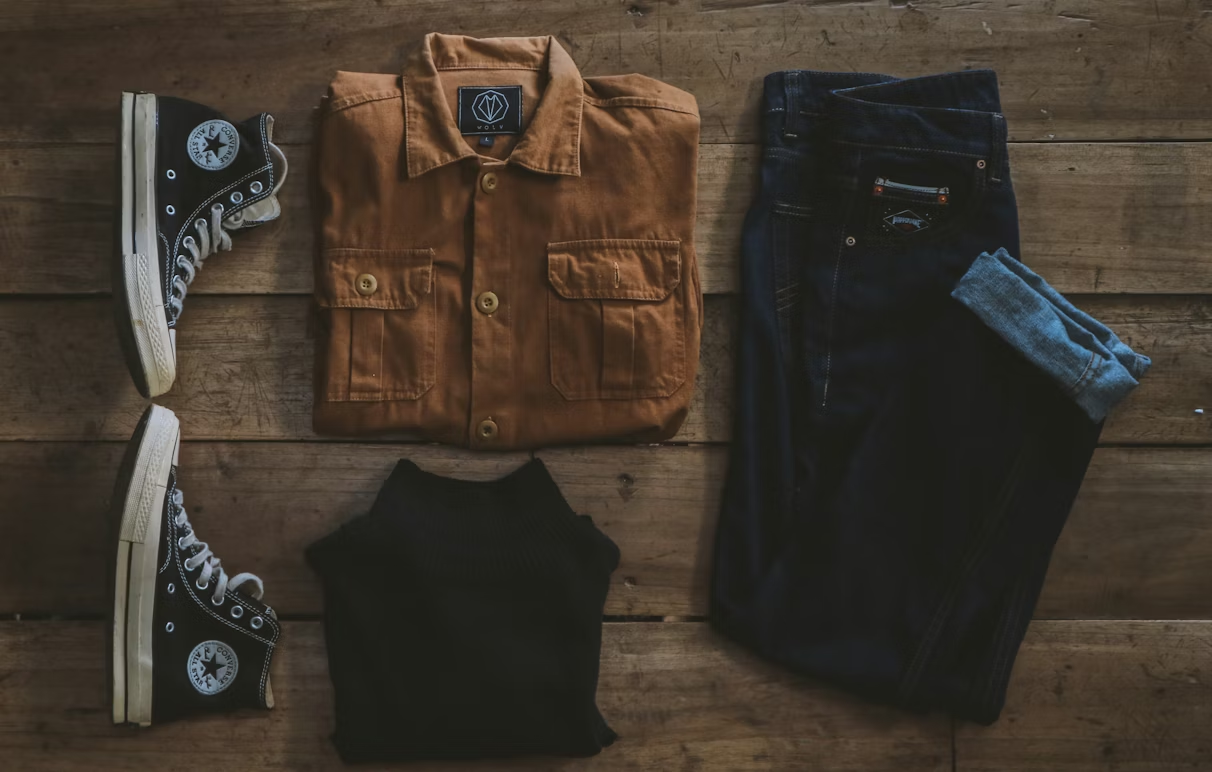
One of the fastest ways to achieve a clean look is to remove guesswork. Instead of deciding outfits from scratch every day, use repeatable formulas.
Outfit formula examples:
- T-shirt + straight jeans + sneakers
- Button-down shirt + chinos + loafers
- Knit sweater + tailored trousers + boots
- Overshirt + plain tee + slim pants
Outfit formula efficiency chart
| Formula Type | Time to Assemble | Style Consistency |
|---|---|---|
| Random selection | 10–15 minutes | Low |
| Semi-formula | 5–8 minutes | Medium |
| Fixed formula set | 2–4 minutes | High |
The cleanest dressers often repeat combinations, but change small details like color or texture instead of reinventing outfits daily.
Example formula rotation system:
| Day Type | Base Formula | Variation Element |
|---|---|---|
| Workday | Shirt + trousers + loafers | Shirt color |
| Casual | T-shirt + jeans + sneakers | Jacket layer |
| Evening | Knit + trousers + boots | Accessories |
This system reduces clutter in decision-making and increases consistency.
Secret 5: Maintain visual simplicity through decluttering
A clean look starts before you even get dressed. If your wardrobe is visually overwhelming, your outfit choices will also become inconsistent.
Decluttering is not just removing clothes—it is organizing visual noise.
Wardrobe clarity system
| Category | Keep | Store | Remove |
|---|---|---|---|
| Frequently worn | Yes | No | No |
| Seasonal items | Yes | Yes | No |
| Rarely worn | No | Maybe | Yes |
| Damaged items | No | No | Yes |
A simplified wardrobe leads to faster decisions and cleaner combinations.
Ideal wardrobe composition chart
| Clothing Type | Percentage |
|---|---|
| Basics | 50% |
| Layering pieces | 25% |
| Statement items | 15% |
| Occasion wear | 10% |
When everything in your wardrobe serves a purpose, getting dressed becomes automatic rather than stressful.
Secret 6: Master grooming and maintenance discipline
Even the best outfit loses impact if it looks unmaintained. Clean aesthetics rely heavily on small upkeep habits.
Key maintenance areas:
- Ironing or steaming clothes
- Removing lint and dust
- Proper shoe cleaning
- Fixing loose threads or buttons
Maintenance impact table
| Maintenance Level | Visual Outcome |
|---|---|
| No maintenance | Unstructured, messy |
| Occasional care | Decent but inconsistent |
| Regular care | Clean and intentional |
| Daily upkeep | Highly polished |
Clean dressing is often less about clothing and more about presentation.
Quick maintenance checklist:
- Steam shirts before wearing
- Brush shoes weekly
- Wash whites separately
- Store clothes properly (not crumpled)
This habit alone can elevate even basic outfits significantly.
Secret 7: Use minimal but intentional accessories
Accessories can either enhance or disrupt a clean look. The key is restraint. Instead of multiple bold items, focus on one or two subtle, well-chosen pieces.
Clean accessories include:
- Simple watch
- Minimal belt
- Neutral cap
- Small chain or bracelet (optional)
Accessory balance chart
| Accessories Used | Style Result |
|---|---|
| None | Very minimal |
| 1–2 items | Clean and balanced |
| 3–4 items | Risk of clutter |
| 5+ items | Visually noisy |
The goal is not to avoid accessories but to ensure they support the outfit rather than dominate it.
A simple rule:
If the accessory is noticeable before the outfit, it is too much.
Putting it all together: clean look framework
A consistently clean appearance comes from combining all seven secrets into a simple daily structure.
Clean look formula:
- Neutral-heavy base wardrobe
- Proper fit across all clothing
- Structured, high-quality fabrics
- Repeatable outfit formulas
- Organized, decluttered wardrobe
- Regular maintenance habits
- Minimal, intentional accessories
Clean look execution flow
| Step | Action | Outcome |
|---|---|---|
| 1 | Choose neutral base | Instant cohesion |
| 2 | Select well-fitting pieces | Sharp silhouette |
| 3 | Check fabric condition | Visual clarity |
| 4 | Apply outfit formula | Fast decision-making |
| 5 | Add minimal accessories | Controlled detail |
The result is not just a better outfit—it is a more efficient way of dressing.
FAQs
- What is the fastest way to look clean and stylish every day?
Focus on fit and neutral colors first. Even basic clothing looks polished when these two elements are correct. - How many clothes do I need for a clean wardrobe?
You don’t need many items. A well-balanced 25–40 piece wardrobe can cover most daily needs if everything is coordinated. - Can colorful clothes still look clean?
Yes, but they should be used as accents rather than the base of your wardrobe. - What ruins a clean look the most?
Poor fit, wrinkled clothing, and overly complicated outfits are the biggest factors. - Are expensive clothes necessary for a clean style?
No. Clean style depends more on fit, maintenance, and coordination than price. - How often should I update my wardrobe?
Instead of frequent buying, focus on seasonal review and replacing worn-out basics once or twice a year.