
Looking effortless is not about having more clothes or following every fashion trend. It’s about building a system where getting dressed feels automatic, calm, and predictable. A capsule wardrobe makes this possible, but only if you use it strategically—not just minimally.
Most people think capsule wardrobes are about owning fewer items. In reality, the real secret is how you combine, rotate, and structure those items so that everything always works together without mental effort.
These nine tricks are designed to remove decision fatigue and help you look naturally put-together every day without spending extra time.
trick 1: build outfits around “anchor pieces”
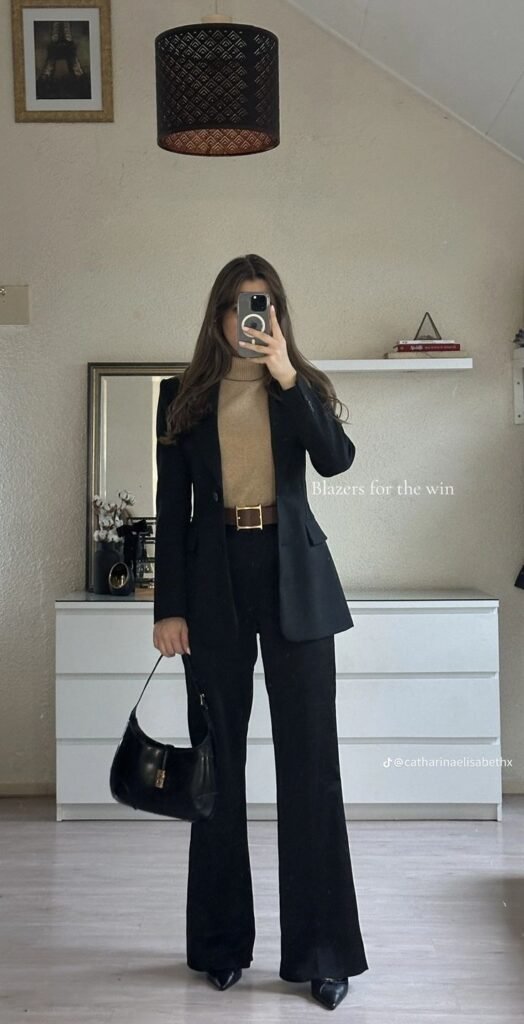
An effortless look always starts with a strong foundation piece that sets the tone of the outfit. This is called an anchor piece.
Anchor pieces include:
- well-fitted jeans
- structured blazer
- neutral dress
- quality white shirt
- tailored trousers
Instead of randomly pairing clothes, start with the anchor first.
Example anchor system:
| Anchor Piece | Outfit Direction | Result Style |
|---|---|---|
| White shirt | Jeans + sneakers | Casual clean |
| Black blazer | Trousers + loafers | Smart minimal |
| Midi dress | Sandals + cardigan | Soft feminine |
Time-saving effect:
| Method | Decision Time |
|---|---|
| Random outfit build | 5–8 minutes |
| Anchor-based build | 1–2 minutes |
Anchor pieces reduce guesswork instantly because everything revolves around them.
trick 2: use a restricted color palette
Effortless style almost always comes from controlled color choices. When colors are limited, outfits automatically look more cohesive.
A simple capsule palette:
- 2 base colors (black, navy)
- 2 neutrals (white, beige)
- 1 accent color (olive, rust, or burgundy)
Color compatibility chart:
| Color Type | Matches With |
|---|---|
| Black | All colors |
| Navy | White, beige, accent tones |
| White | All colors |
| Beige | Navy, olive, black |
| Accent | Neutrals + base colors |
Outfit consistency comparison:
| Wardrobe Type | Matching Ease | Visual Cohesion |
|---|---|---|
| Random colors | Low | Inconsistent |
| Controlled palette | High | Effortless look |
The fewer decisions you make about color, the more polished you appear.
trick 3: follow the “3-piece rule”
Effortless outfits usually feel balanced because they follow a hidden structure: three visible elements.
The 3-piece rule:
Every outfit should have:
- base (top + bottom OR dress)
- layer (jacket, shirt, cardigan)
- detail (accessory, shoes, or texture contrast)
Example breakdown:
| Outfit | Base | Layer | Detail |
|---|---|---|---|
| 1 | Jeans + tee | Denim jacket | White sneakers |
| 2 | Dress | Cardigan | Sandals |
| 3 | Trousers + top | Blazer | Watch + loafers |
Why it works:
- prevents flat outfits
- adds visual depth
- creates intentional styling
Style structure impact:
| Without Rule | With Rule |
|---|---|
| Basic appearance | Layered appearance |
| Random styling | Structured outfit |
trick 4: rotate outfits, not clothes
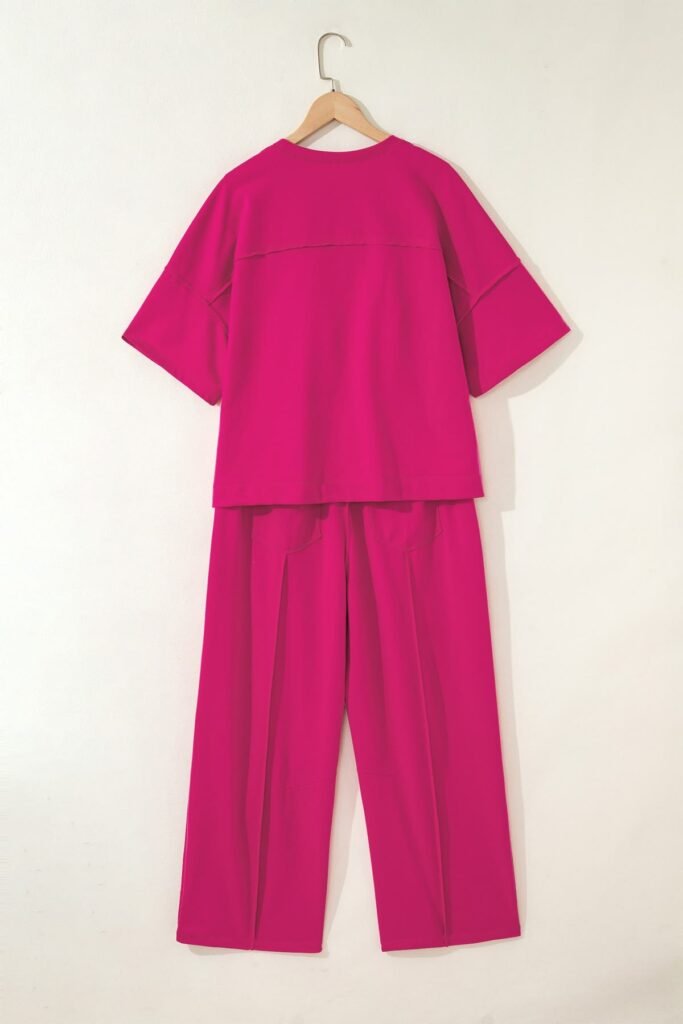
One of the biggest mistakes is trying to create new outfits daily. Effortless style comes from repetition with variation.
Instead of new combinations, reuse proven outfits and rotate them.
Weekly outfit rotation example:
| Day | Outfit |
|---|---|
| Monday | White shirt + jeans |
| Tuesday | Black trousers look |
| Wednesday | Dress + cardigan |
| Thursday | Casual blazer look |
| Friday | Relaxed hoodie set |
Rotation logic:
| Strategy | Result |
|---|---|
| Daily reinvention | Decision fatigue |
| Outfit rotation | Mental ease |
The goal is not variety—it’s reliability.
trick 5: define “uniform formulas”
Effortless people often repeat outfit formulas without realizing it. These are personal dress codes that always work.
Examples:
- jeans + white tee + sneakers
- blazer + trousers + loafers
- dress + light cardigan + sandals
Formula system table:
| Occasion | Formula |
|---|---|
| Casual | Tee + jeans + sneakers |
| Work | Shirt + trousers + blazer |
| Weekend | Hoodie + joggers + slip-ons |
| Social outing | Dress + jacket + flats |
Time efficiency comparison:
| Method | Time to Dress |
|---|---|
| Thinking daily | 6–10 min |
| Using formulas | 1–3 min |
Once formulas are set, dressing becomes mechanical in a good way.
trick 6: keep “always-ready outfits” pre-assembled
Instead of thinking every morning, prepare complete outfits in advance.
This is called outfit pre-assembly.
Example:
| Outfit Name | Components |
|---|---|
| Work Look 1 | Shirt + trousers + blazer + shoes |
| Casual Set | Tee + jeans + sneakers |
| Dinner Look | Dress + jacket + heels |
Weekly structure:
| Day | Prepared Outfit |
|---|---|
| Monday | Work Look 1 |
| Tuesday | Casual Set |
| Wednesday | Work Look 2 |
Impact on decision fatigue:
| Without Prep | With Prep |
|---|---|
| Morning confusion | Automatic choice |
| 5–10 min delay | Instant dressing |
trick 7: apply the “texture balance rule”
Even simple outfits look stylish when textures are balanced. Effortless style is not only color—it’s material contrast.
Key textures:
- cotton
- denim
- wool
- linen
- knit
Texture balance examples:
| Outfit Type | Texture Mix |
|---|---|
| Casual | Cotton + denim |
| Smart casual | Wool + cotton |
| Relaxed chic | Linen + knit |
Texture impact:
| Flat outfit | Balanced textures |
|---|---|
| Looks basic | Looks styled |
trick 8: maintain a “capsule emergency kit”
Effortless dressing also means being prepared for unexpected situations.
Your capsule emergency kit includes:
- neutral blazer
- clean white shirt
- versatile shoes
- simple dress or jeans
Emergency kit table:
| Item | Purpose |
|---|---|
| Blazer | Instant polish |
| White shirt | Safe base layer |
| Neutral shoes | Match everything |
| Jeans | Backup outfit base |
This prevents last-minute outfit stress completely.
trick 9: reduce wardrobe noise (eliminate decision clutter)
The biggest hidden secret of effortless style is not what you add—but what you remove.
Wardrobe noise includes:
- rarely worn clothes
- difficult-to-match items
- uncomfortable pieces
- trend-only items
Clutter reduction chart:
| Wardrobe Type | Decision Speed |
|---|---|
| Cluttered closet | Slow |
| Capsule system | Fast |
Simple rule:
If you don’t wear it often or it doesn’t match 3+ items, remove it.
combined system overview
When all 9 tricks are combined, the wardrobe becomes a system instead of a collection.
System flow:
- Anchor pieces define outfits
- Color palette ensures harmony
- 3-piece rule adds structure
- Outfit rotation reduces thinking
- Formulas simplify decisions
- Pre-assembly removes morning stress
- Texture adds depth
- Emergency kit adds safety
- Noise reduction keeps clarity
Summary table:
| Layer | Purpose |
|---|---|
| Structure | Anchor + formulas |
| Efficiency | Rotation + prep |
| Style depth | Color + texture |
| Simplicity | Decluttering |
final thoughts
Looking effortless is not about fashion complexity. It’s about reducing friction between you and your clothes. Once your wardrobe becomes structured, you stop “deciding” and start simply “wearing.”
The less you think about your outfit, the better it usually looks.
faqs
- how many clothes do i need for a capsule wardrobe
Most people function well with 20–40 versatile items depending on lifestyle and climate. - can capsule wardrobes still look stylish
Yes. Style comes from coordination, not quantity. Structure creates elegance. - what is the biggest mistake in capsule wardrobes
Keeping items that don’t work together, which increases decision time. - how often should i update my capsule wardrobe
Every season or every 3–4 months is usually enough. - can i still follow trends in a capsule wardrobe
Yes, but limit trends to small accent pieces instead of core items. - how long does it take to build an effortless wardrobe system
Typically 2–4 weeks of observation and adjustment is enough to establish a working system.