

Looking expensive has very little to do with actually spending a lot of money. In fact, some of the most polished personal styles are built on budget-friendly wardrobes that are carefully structured, maintained, and edited over time.
The difference between looking “cheap” and looking “expensive” is not the price tag—it’s consistency, fit, coordination, and restraint.
This guide breaks down nine proven wardrobe strategies that help you elevate your appearance without increasing your spending. Each tip focuses on real-world application, not theory.
tip 1: prioritize fit over brand name
Fit is the single biggest factor in how expensive clothing looks. A low-cost outfit that fits perfectly will always look better than a designer outfit that doesn’t.
What “good fit” means:
- shoulders align properly
- sleeves end at wrist bone
- trousers break slightly on shoes
- waist is neither tight nor loose
Fit comparison table:
| Item Type | Poor Fit Result | Proper Fit Result |
|---|---|---|
| Shirt | Sloppy, oversized | Structured, clean |
| Jeans | Baggy or tight folds | Sharp silhouette |
| Blazer | Bulky shoulders | Tailored shape |
Impact on appearance:
| Factor | Visual Value |
|---|---|
| Fit | High |
| Brand | Low–Medium |
| Price | Low |
Even a $10 shirt looks premium if it fits correctly.
tip 2: stick to a neutral color foundation
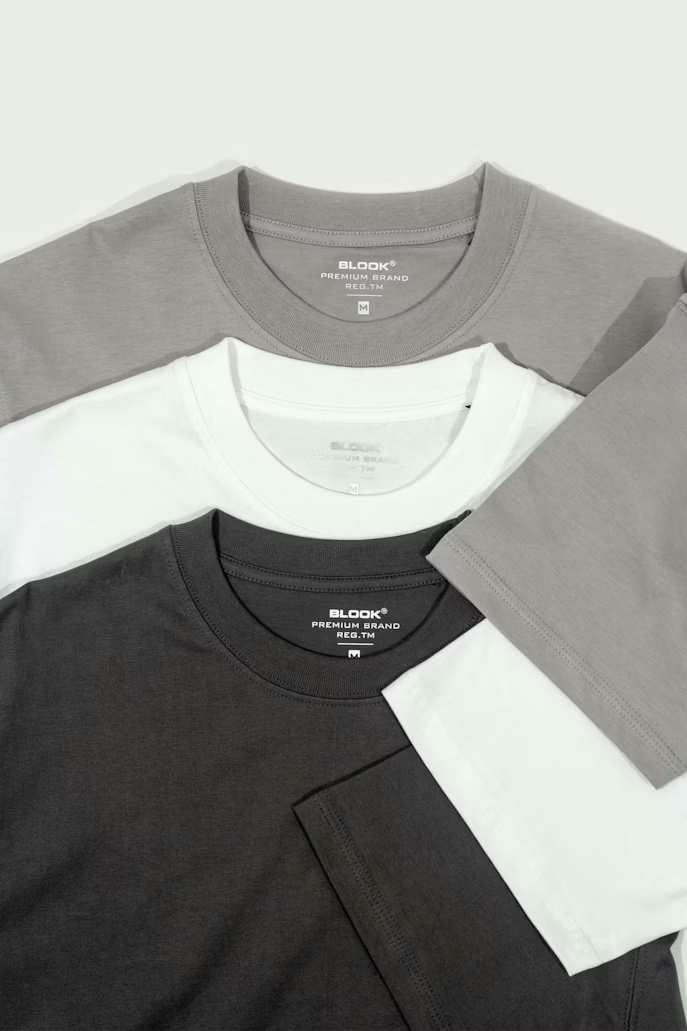
Expensive-looking wardrobes almost always rely on neutral colors because they create visual harmony.
Core neutral palette:
- black
- white
- beige
- grey
- navy
Color hierarchy table:
| Role | Colors |
|---|---|
| Base | Black, navy |
| Neutral | White, grey, beige |
| Accent | Olive, burgundy |
Why neutrals look expensive:
- fewer visual distractions
- easier coordination
- timeless appearance
Outfit cohesion comparison:
| Color Style | Perception |
|---|---|
| Random bright mix | Cheap/chaotic |
| Neutral palette | Clean/luxurious |
tip 3: invest in fabric appearance, not labels
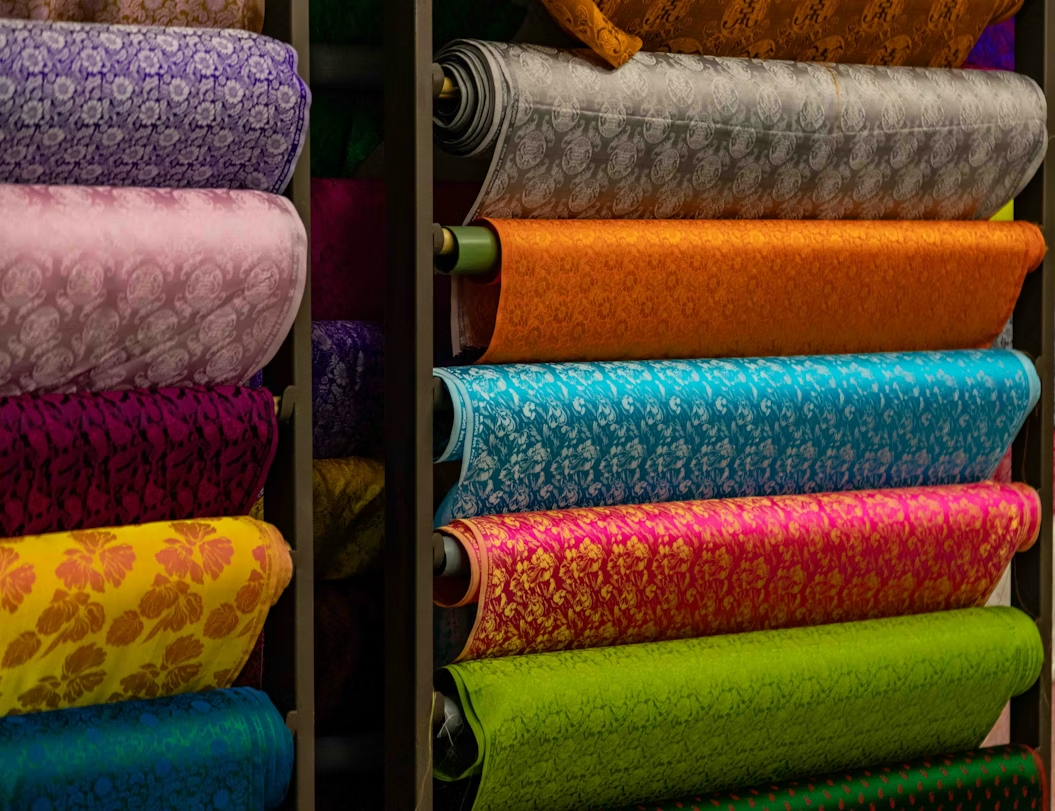
Cheap clothes can look expensive if the fabric has structure and texture.
Best-looking budget fabrics:
- thick cotton
- structured denim
- matte polyester blends
- ribbed knits
Fabric perception table:
| Fabric Type | Perceived Quality |
|---|---|
| Thin synthetic | Low |
| Wrinkled cotton | Low |
| Thick cotton | High |
| Structured denim | High |
Key insight:
Shiny or overly thin fabrics often look cheap regardless of price.
tip 4: maintain a “minimal wardrobe density”
A cluttered wardrobe leads to inconsistent outfits, which lowers perceived style quality.
The concept of wardrobe density:
How many items actually work together in your closet.
Wardrobe density chart:
| Wardrobe Type | Usable Outfits | Style Consistency |
|---|---|---|
| 60 random items | Low | Poor |
| 30 curated items | High | Strong |
| 20 coordinated items | Very high | Very strong |
Rule:
Fewer, better-matching items always look more expensive than a large messy collection.
tip 5: use repetition strategically (style signature)
People who look expensive often repeat outfits—but in a controlled, intentional way.
This creates what is called a “style signature.”
Example style signatures:
- white shirt + dark jeans + loafers
- beige tones + minimal sneakers
- monochrome black outfits
Repetition impact:
| Approach | Result |
|---|---|
| Random outfits | Inconsistent image |
| Repeated formula | Recognizable style |
Luxury brands also repeat silhouettes constantly—consistency signals intention.
tip 6: keep accessories extremely minimal
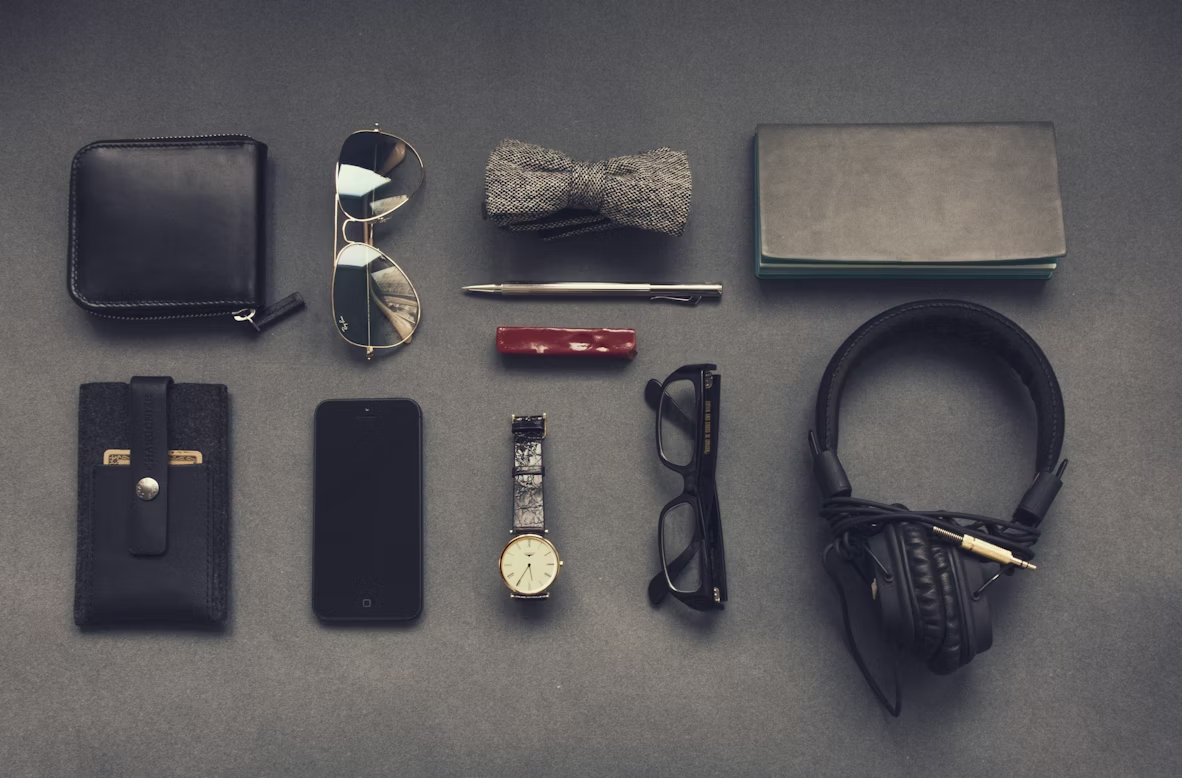
Accessories can elevate or destroy an outfit’s perceived value.
Minimal accessory rule:
- 1 watch OR 1 bracelet
- small earrings or none
- simple bag
- no excessive layering
Accessory impact table:
| Style Level | Accessories Used | Perception |
|---|---|---|
| Overloaded | Many pieces | Cheap/cluttered |
| Minimal | 1–2 pieces | Expensive/clean |
Less is always more when trying to look refined.
tip 7: iron, steam, and maintain clothing properly
Wrinkles instantly downgrade the appearance of any outfit.
Clothing condition hierarchy:
| Condition | Perceived Value |
|---|---|
| Wrinkled | Low |
| Slightly neat | Medium |
| Crisp clean | High |
Maintenance habits:
- steam shirts before wearing
- fold jeans properly
- hang structured items
- remove lint regularly
Even luxury clothing looks cheap when poorly maintained.
tip 8: build a “capsule outfit system”
Instead of buying random pieces, create repeatable outfit combinations.
Example capsule system:
| Outfit Type | Components |
|---|---|
| Casual clean | White tee + jeans + sneakers |
| Smart casual | Shirt + chinos + loafers |
| Relaxed look | Hoodie + joggers + trainers |
System benefits:
| Method | Outcome |
|---|---|
| Random dressing | Inconsistent |
| Capsule system | Polished |
A structured wardrobe always appears more expensive.
tip 9: focus on shoes as your “status anchor”
Shoes are one of the first things people notice subconsciously.
Budget shoes that still look expensive:
- clean white sneakers
- simple loafers
- minimal black boots
Shoe condition impact:
| Shoe Condition | Impression |
|---|---|
| Dirty/scuffed | Low value |
| Clean/simple | High value |
Even basic outfits look elevated with clean, minimal shoes.
combined wardrobe system overview
When all nine tips are applied together, the wardrobe becomes a structured system rather than random clothing choices.
System breakdown:
| Area | Strategy Used |
|---|---|
| Fit | Tailoring focus |
| Color | Neutral palette |
| Fabric | Structured materials |
| Quantity | Minimal density |
| Styling | Repetition system |
| Accessories | Minimal use |
| Maintenance | Clean presentation |
| Outfits | Capsule system |
| Shoes | Clean anchor pieces |
Style transformation flow:
| Before System | After System |
|---|---|
| Random outfits | Structured looks |
| Cluttered wardrobe | Clean capsule |
| Inconsistent style | Expensive look |
example budget wardrobe breakdown
A sample budget-friendly wardrobe that still looks expensive:
| Category | Items |
|---|---|
| Tops | 3 white tees, 2 shirts |
| Bottoms | 2 jeans, 1 chinos |
| Layers | 1 jacket, 1 hoodie |
| Shoes | 1 sneakers, 1 loafers |
| Accessories | 1 watch |
Total items: ~11–12
Outfit combinations:
| Tops | Bottoms | Layers | Total Looks |
|---|---|---|---|
| 5 | 3 | 2 | 30+ |
Even a small wardrobe can produce a large number of polished outfits.
mistakes that make budget wardrobes look cheap
mistake 1: chasing fast fashion trends
Trendy pieces age quickly and reduce long-term cohesion.
mistake 2: ignoring tailoring
Unfitted clothes immediately reduce perceived value.
mistake 3: too many colors
Overuse of color destroys visual consistency.
mistake 4: over-accessorizing
Too many items make outfits look cluttered.
time-saving wardrobe benefit
| System Type | Daily Decision Time |
|---|---|
| Random wardrobe | 5–10 minutes |
| Structured capsule | 1–2 minutes |
Over a year:
| Time Saved Per Day | Annual Savings |
|---|---|
| 5 minutes | ~30 hours |
| 10 minutes | ~60 hours |
final thoughts
Looking expensive on a budget is not about imitation—it’s about simplification. When your wardrobe has structure, restraint, and consistency, the impression it creates naturally becomes more refined.
True style is not loud. It is controlled, intentional, and repeatable.
faqs
- can you really look expensive with cheap clothes
Yes. Fit, fabric, and coordination matter more than price. - what colors make outfits look expensive
Neutral tones like black, white, beige, grey, and navy create a premium appearance. - how many clothes do i need for a budget capsule wardrobe
Around 10–25 well-coordinated items are enough for most lifestyles. - do accessories matter in looking expensive
Yes, but minimal accessories usually create a more elegant look than multiple items. - what is the biggest mistake in budget styling
Poor fit and cluttered outfits are the most common reasons clothes look cheap. - how fast can i improve my wardrobe appearance
Most people see noticeable improvement within a few weeks of applying fit, color, and simplification rules.