

There’s a quiet frustration that creeps in when your wardrobe feels full, yet nothing quite works. You stand there, staring at rows of clothes that should make sense—but somehow don’t. Often, the issue isn’t a lack of style or even a lack of options. It’s the subtle seasonal mistakes that quietly sabotage your outfits.
Seasonal dressing isn’t just about switching from sweaters to t-shirts. It’s about adapting textures, colors, proportions, and functionality in ways that align with both the weather and your lifestyle. When that alignment is off—even slightly—your outfits can feel awkward, mismatched, or incomplete.
This article breaks down nine common seasonal wardrobe mistakes that may be ruining your outfits without you realizing it. More importantly, it offers practical ways to fix them.
- Ignoring fabric weight and texture
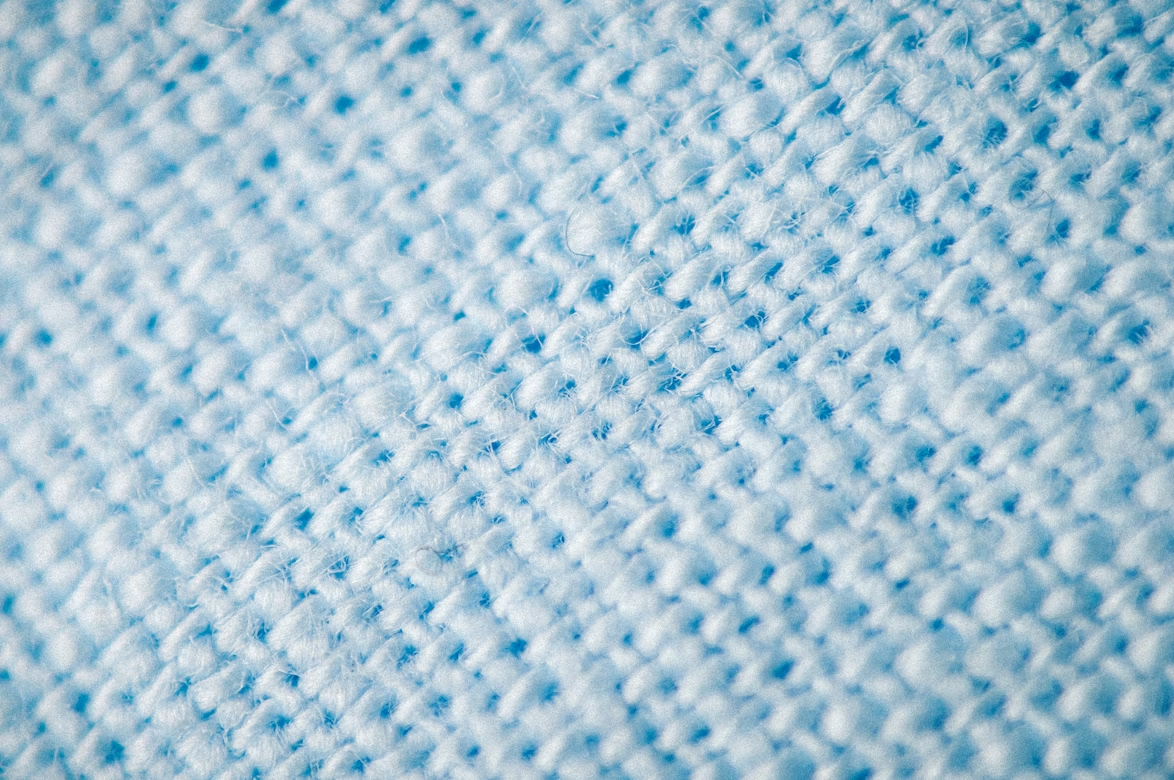
One of the most overlooked aspects of seasonal dressing is fabric. People often focus on style or color while completely ignoring how material behaves in different temperatures.
Wearing heavy fabrics like thick denim or wool during warmer months can make your outfit look and feel out of place. Similarly, light fabrics like linen or thin cotton can appear underwhelming and impractical in colder seasons.
Here’s a simple breakdown:
| Season | Ideal Fabrics | Avoid |
|---|---|---|
| Summer | Linen, cotton, chambray | Wool, fleece, heavy denim |
| Winter | Wool, cashmere, flannel | Thin cotton, rayon |
| Spring | Light knits, blends | Overly thick layers |
| Autumn | Corduroy, medium denim | Ultra-light fabrics |
Texture matters just as much as weight. Summer outfits benefit from breathable, slightly wrinkled textures like linen, while winter outfits look richer with structured or fuzzy materials.
If your outfit feels “off” but you can’t explain why, fabric mismatch is often the culprit.
- Wearing the same color palette year-round
Colors have seasons just like fabrics do. Bright, airy tones often feel natural in spring and summer, while deeper, muted shades dominate autumn and winter.
A common mistake is sticking to one palette all year—like wearing all black in peak summer or pastels in the middle of winter.
Here’s a seasonal color guide:
| Season | Color Direction | Examples |
|---|---|---|
| Spring | Fresh, soft | Mint, peach, lavender |
| Summer | Bright, light | White, sky blue, coral |
| Autumn | Warm, earthy | Rust, olive, mustard |
| Winter | Deep, cool | Navy, burgundy, charcoal |
This doesn’t mean you must completely overhaul your wardrobe each season. Instead, rotate dominant colors while keeping neutrals consistent.
Even a small shift—like swapping black for navy in summer—can transform how cohesive your outfit looks.
- Over-layering or under-layering
Layering is a skill, not a default setting. Many people either pile on too many layers in cooler weather or skip them entirely when they’re actually needed.
Over-layering can make your outfit bulky and restrictive, while under-layering can leave it looking flat and impractical.
A balanced layering approach looks like this:
| Temperature Range | Suggested Layers |
|---|---|
| 30°C+ | Single breathable layer |
| 20–30°C | Light layer (shirt + overshirt) |
| 10–20°C | 2–3 layers (tee + sweater + jacket) |
| Below 10°C | Functional layering (base + insulating + outer) |
The key is not just adding layers, but choosing layers that serve a purpose—either for warmth, structure, or visual interest.
- Holding onto last season’s proportions
Fashion silhouettes shift subtly between seasons. Summer often leans toward relaxed, breathable fits, while winter tends to favor structured and layered silhouettes.
Wearing tight, restrictive clothing in summer can feel uncomfortable and outdated. On the other hand, overly loose outfits in winter can lack definition.
Here’s a quick comparison:
| Season | Typical Fit Style |
|---|---|
| Summer | Relaxed, airy |
| Winter | Structured, layered |
| Spring | Balanced |
| Autumn | Slightly tailored |
If your outfits feel awkward, consider whether the proportions match the season. Sometimes the fix isn’t buying new clothes—it’s adjusting how your existing pieces fit together.
- Neglecting footwear transitions

Footwear is often the last thing people update when seasons change, and it shows.
Wearing heavy boots in hot weather or lightweight sneakers in rainy, cold conditions disrupts the balance of your outfit.
Seasonal footwear guide:
| Season | Ideal Footwear |
|---|---|
| Summer | Sandals, canvas sneakers |
| Spring | Light sneakers, loafers |
| Autumn | Boots, leather sneakers |
| Winter | Insulated boots |
Shoes anchor your outfit visually. If they don’t match the season, the entire look feels disconnected.
- Forgetting about functionality
Style without function quickly falls apart in seasonal dressing. This mistake shows up when outfits look good indoors but fail outdoors.
Examples include:
- Wearing non-water-resistant shoes in rainy seasons
- Choosing style over warmth in winter
- Ignoring breathability in summer
A practical wardrobe balances both:
| Feature | Summer Priority | Winter Priority |
|---|---|---|
| Breathability | High | Low |
| Insulation | Low | High |
| Water resistance | Medium | High |
| Weight | Light | Moderate to heavy |
Ignoring these factors doesn’t just ruin outfits—it makes them uncomfortable.
- Overlooking accessories
Accessories often lag behind seasonal updates. People may switch clothes but forget to rotate belts, bags, scarves, and sunglasses.
Seasonal accessory shifts:
| Season | Key Accessories |
|---|---|
| Summer | Sunglasses, light bags |
| Winter | Scarves, gloves |
| Spring | Minimal jewelry |
| Autumn | Textured accessories |
Even small changes—like swapping a heavy leather bag for a canvas one—can refresh your entire look.
- Keeping too many “in-between” pieces
Transitional items are useful, but too many of them create confusion. These are pieces that don’t fully belong to any season—like mid-weight jackets or ambiguous fabrics.
If your wardrobe is filled with “kind of works” items, you’ll struggle to build strong outfits.
A better approach is to categorize your wardrobe clearly:
| Category | Percentage Recommendation |
|---|---|
| Core seasonal pieces | 60% |
| Transitional pieces | 25% |
| Statement items | 15% |
Clarity makes outfit building easier and more intentional.
- Not reassessing your wardrobe each season
Perhaps the biggest mistake is treating your wardrobe as static. Seasons change, but many people don’t take the time to review what they actually need.
A simple seasonal reset can make a huge difference.
Checklist for each season:
- Remove items that no longer fit or suit your style
- Identify gaps (e.g., missing layers or footwear)
- Rotate storage (bring current season items forward)
- Re-evaluate color balance
This process doesn’t require buying more—it requires thinking differently about what you already own.
Seasonal wardrobe audit example:
| Step | Action | Outcome |
|---|---|---|
| 1 | Sort by season | Clear visibility |
| 2 | Try key outfits | Identify issues |
| 3 | Remove unusable items | Less clutter |
| 4 | Plan combinations | Faster dressing |
FAQs
- How often should I update my wardrobe for seasonal changes?
You don’t need to buy new clothes every season. Instead, aim to review and rotate your wardrobe four times a year. Focus on adapting combinations rather than replacing everything.
- Can I wear the same clothes across multiple seasons?
Yes, but styling matters. A shirt that works in summer can transition into autumn with layering. The key is adjusting fabrics, layers, and accessories.
- What’s the easiest way to improve seasonal outfits quickly?
Start with footwear and layering. These two elements have the biggest visual and functional impact. Small changes here can instantly improve your look.
- How do I balance style and comfort in extreme weather?
Prioritize function first, then build style around it. For example, choose breathable fabrics in heat or insulated layers in cold, then refine colors and fits.
- Are neutral colors safe for all seasons?
Neutrals work year-round, but their tone matters. Light neutrals suit warmer months, while darker neutrals feel more appropriate in colder seasons.
- What’s the biggest mistake beginners make in seasonal dressing?
Trying to follow trends without understanding basics. Seasonal dressing is less about trends and more about fabric, fit, and function.
A well-functioning wardrobe doesn’t demand more clothes—it demands better alignment with the season you’re living in. When fabric, color, structure, and function all work together, outfits stop feeling forced and start feeling natural.