

Style changes with the weather, but staying trendy doesn’t mean constantly buying new clothes. It’s more about adapting, layering, and making smart swaps that align with the season while still reflecting your personal taste. A well-thought-out seasonal wardrobe balances comfort, practicality, and aesthetics without feeling forced or overly curated.
Below is a detailed guide to 15 seasonal wardrobe ideas that help you stay stylish year-round. Along the way, you’ll find tables, structured breakdowns, and practical frameworks to make your wardrobe more functional and visually appealing.
understanding seasonal dressing: the foundation
Before diving into specific ideas, it’s worth understanding what “seasonal dressing” actually involves. It’s not just about temperature—it includes fabric weight, color palettes, layering strategies, and even lifestyle changes.
table: seasonal wardrobe fundamentals
| season | key fabrics | color palette | layering style | footwear focus |
|---|---|---|---|---|
| spring | cotton, linen | pastels, soft neutrals | light layers | sneakers, loafers |
| summer | linen, chambray | bright, whites | minimal layering | sandals, slides |
| autumn | wool blends, denim | earthy tones | medium layering | boots, trainers |
| winter | wool, fleece | dark neutrals, jewel tones | heavy layering | insulated boots |
- build a transitional capsule wardrobe
One of the smartest ideas is to create a capsule wardrobe that works across multiple seasons. Instead of thinking in strict seasonal boxes, invest in versatile pieces like neutral trousers, denim jackets, and simple shirts.
Key tip: focus on items that can be layered or stripped down easily.
example capsule pieces:
- white button-down shirt
- black tailored trousers
- lightweight knit sweater
- classic denim jacket
- master the art of layering
Layering is the backbone of seasonal style. It allows you to adapt to unpredictable weather while adding visual depth.
simple layering formula:
base layer → mid layer → outer layer
table: layering combinations
| base layer | mid layer | outer layer | season |
|---|---|---|---|
| t-shirt | cardigan | trench coat | spring |
| tank top | none/light shirt | linen overshirt | summer |
| long sleeve tee | sweater | leather jacket | autumn |
| thermal | hoodie | wool coat | winter |
- rotate your color palette seasonally
Color has a huge impact on how “in season” your outfit looks. You don’t need new clothes—just shift the colors you emphasize.
spring/summer: light blues, soft pinks, whites
autumn/winter: burgundy, olive, navy, charcoal
chart: color intensity by season
| season | color intensity level |
|---|---|
| spring | low to medium |
| summer | medium to high |
| autumn | medium |
| winter | high (deep tones) |
- invest in seasonal statement outerwear
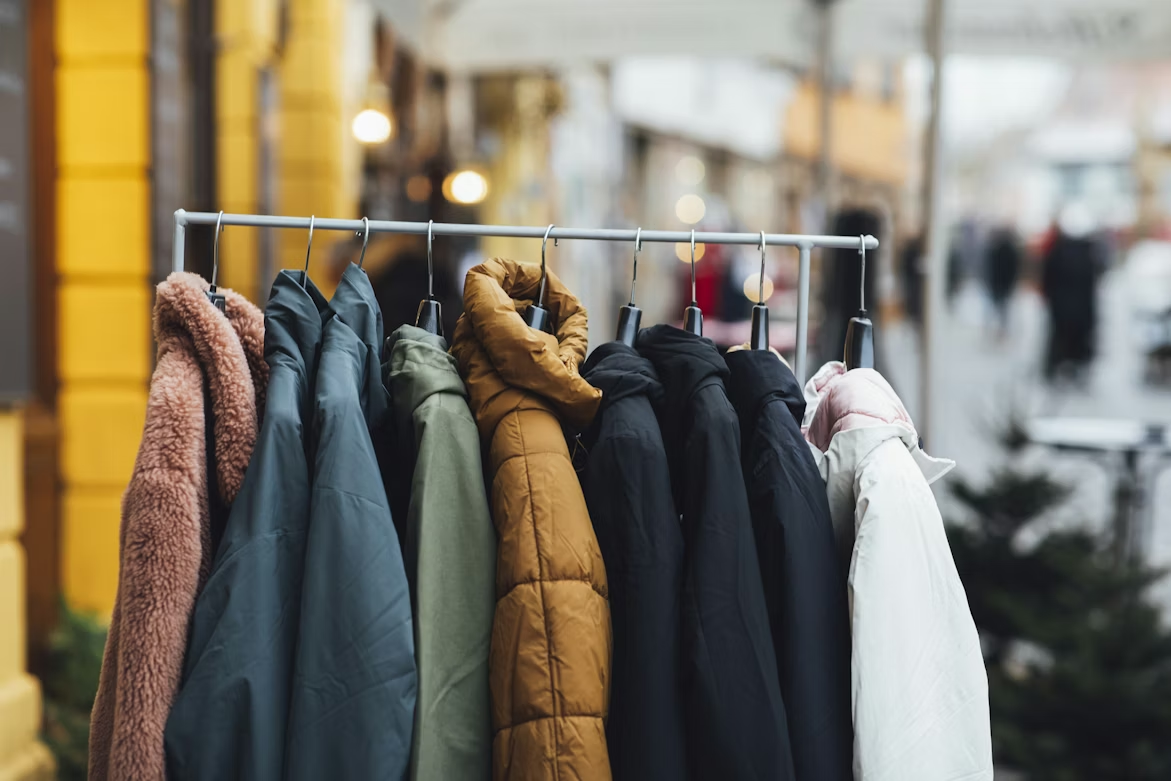
Outerwear is often the first thing people notice. A good seasonal jacket or coat can elevate even the simplest outfit.
examples:
- spring: trench coat
- summer: lightweight overshirt
- autumn: leather jacket
- winter: structured wool coat
- swap fabrics, not outfits
Instead of changing your entire wardrobe, switch fabrics while keeping similar silhouettes.
example:
- summer: linen shirt
- winter: flannel shirt (same cut, different fabric)
table: fabric swaps
| item type | warm weather fabric | cold weather fabric |
|---|---|---|
| shirts | linen | flannel |
| pants | cotton | wool blend |
| jackets | lightweight cotton | heavy wool |
- embrace seasonal accessories
Accessories can transform an outfit without requiring a full wardrobe overhaul.
seasonal accessory ideas:
- spring: silk scarves
- summer: sunglasses, straw hats
- autumn: leather belts, watches
- winter: wool scarves, gloves
- use footwear to define the season
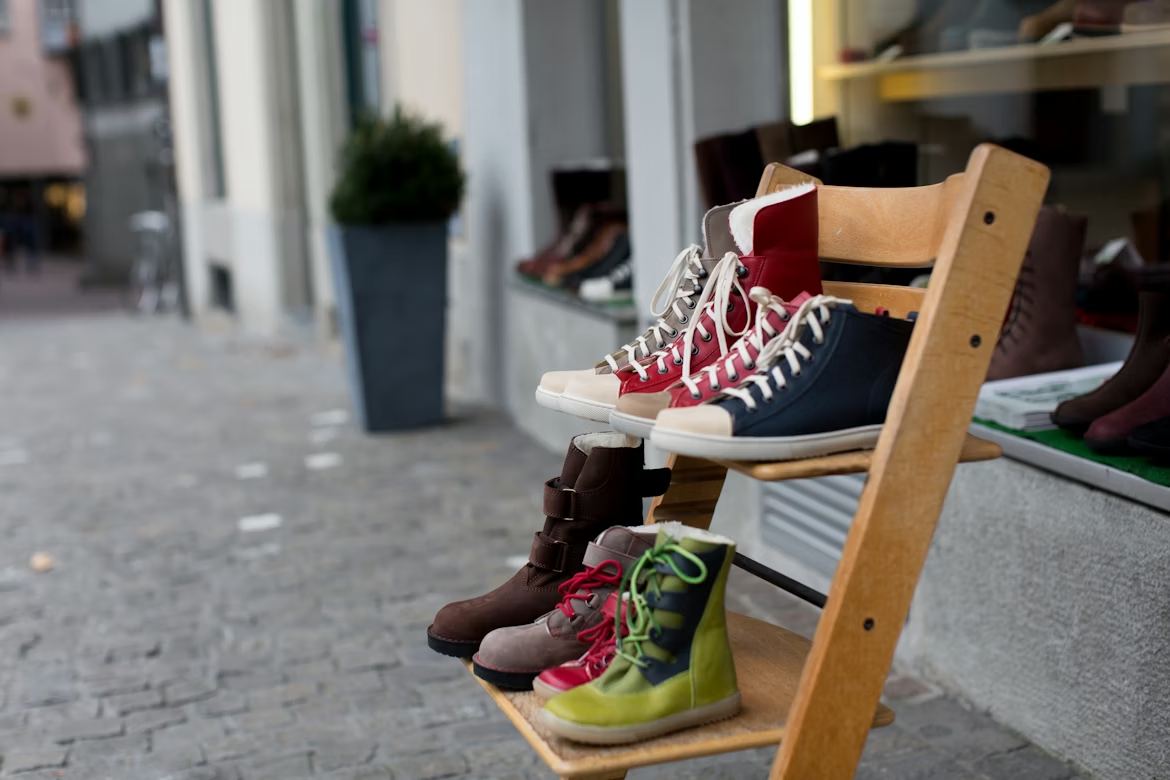
Shoes play a major role in seasonal styling. Even if your outfit stays similar, changing footwear can shift the entire look.
table: footwear transition guide
| season transition | recommended switch |
|---|---|
| winter → spring | boots → sneakers |
| spring → summer | sneakers → sandals |
| summer → autumn | sandals → loafers |
| autumn → winter | loafers → boots |
- adopt breathable fits for warmer months
Tighter clothing traps heat. In spring and summer, looser silhouettes are both practical and trendy.
examples:
- relaxed-fit trousers
- oversized shirts
- flowy dresses
- introduce texture in colder seasons
Autumn and winter are perfect for experimenting with textures like wool, corduroy, and suede.
texture combinations:
- wool + denim
- leather + cotton
- corduroy + knitwear
- create seasonal outfit formulas
Instead of guessing daily, develop go-to outfit combinations for each season.
example formulas:
spring:
shirt + chinos + sneakers
summer:
t-shirt + shorts + sandals
autumn:
sweater + jeans + boots
winter:
thermal + hoodie + coat + boots
- layer smartly for unpredictable weather
Spring and autumn often have fluctuating temperatures. The trick is removable layers.
tip:
carry lightweight layers you can easily take off and hold.
- update basics with seasonal trends
You don’t need to follow every trend—just update one or two basics each season.
example:
- swap plain t-shirts for slightly oversized cuts
- try cropped trousers instead of full-length
- balance comfort and style
Seasonal dressing isn’t just about looks. Comfort matters, especially in extreme weather.
chart: comfort vs style balance
| priority level | approach |
|---|---|
| high comfort | loose fits, breathable fabrics |
| balanced | structured but flexible clothing |
| high style | trend-focused, layered outfits |
- build a layering-friendly wardrobe
Choose items that work well together. Avoid bulky combinations that don’t layer cleanly.
good layering pieces:
- slim sweaters
- fitted shirts
- lightweight jackets
- plan your wardrobe transitions
Instead of switching everything at once, transition gradually.
timeline example:
| week | change introduced |
|---|---|
| 1 | lighter tops |
| 2 | swap footwear |
| 3 | introduce new outerwear |
| 4 | full seasonal transition |
sample seasonal wardrobe overview
table: minimal seasonal wardrobe checklist
| category | spring | summer | autumn | winter |
|---|---|---|---|---|
| tops | 5 | 6 | 5 | 6 |
| bottoms | 3 | 3 | 4 | 4 |
| outerwear | 2 | 1 | 3 | 4 |
| shoes | 2 | 2 | 2 | 2 |
| accessories | 3 | 4 | 3 | 4 |
real-life example: one outfit, four seasons
base outfit:
white shirt + black trousers
spring:
- light jacket + sneakers
summer:
- rolled sleeves + sandals
autumn:
- sweater + boots
winter:
- coat + scarf + gloves
common seasonal wardrobe mistakes to avoid
- wearing heavy fabrics in warm weather
- ignoring color shifts
- over-layering or under-layering
- neglecting footwear changes
- buying trends that don’t match your lifestyle
how to stay trendy without overspending
practical strategies:
- rotate existing pieces creatively
- invest in versatile basics
- shop off-season for discounts
- focus on styling rather than quantity
FAQs
- how often should I update my seasonal wardrobe?
You don’t need a full update every season. Small adjustments—like swapping fabrics or adding one or two new pieces—are enough to stay current. - can I wear the same clothes in different seasons?
Yes. The key is layering and fabric choice. A shirt can work year-round if styled differently. - what’s the biggest mistake in seasonal dressing?
Ignoring practicality. Style should adapt to weather conditions, not fight against them. - how do I transition between seasons smoothly?
Gradually introduce new pieces instead of switching everything at once. Focus on layering and footwear changes first. - do I need to follow seasonal color trends?
Not strictly. Use them as guidance, but prioritize colors that suit your personal style. - how can I build a wardrobe on a budget?
Stick to neutral basics, shop strategically, and focus on versatile pieces that work across multiple seasons.
final thoughts
Seasonal style isn’t about chasing trends—it’s about understanding how to adapt your wardrobe intelligently. When you focus on layering, fabric choices, and subtle updates, you create a wardrobe that feels fresh year-round without constant spending.
The real secret to staying trendy is consistency. When your wardrobe evolves naturally with the seasons, your style feels effortless—and that’s what truly stands out.