
There’s a persistent myth that style belongs to people with deep pockets. Walk through glossy magazines or scroll social media feeds, and it’s easy to assume that looking put-together requires constant shopping and expensive labels. In reality, personal style is far less about money and far more about intention. A well-built budget wardrobe can look just as polished—often more so—than an expensive, cluttered one.
This guide explores how to build a stylish wardrobe without overspending, using thoughtful planning, smart shopping, and a bit of creativity. Instead of chasing trends, the focus here is on building something that actually works for your life.
understanding what “stylish” really means
Before buying anything, it helps to redefine style. Stylish doesn’t mean trendy or flashy. It means cohesive, intentional, and reflective of your personality. A wardrobe feels stylish when the pieces work together and when you feel comfortable wearing them.
Many people overspend because they chase a moving target. Trends change quickly, and keeping up leads to constant purchases. A budget wardrobe works differently—it builds a stable foundation and adds carefully chosen updates.
Here’s a simple comparison:
| approach | focus | result | cost over time |
|---|---|---|---|
| trend-driven | what’s popular now | inconsistent wardrobe | high |
| intentional style | what suits you personally | cohesive wardrobe | low |
defining your personal style
Building a wardrobe without overspending starts with clarity. If you don’t know what you like, you’ll buy things you rarely wear.
A simple exercise:
- Look at outfits you already love.
- Notice patterns (colors, fits, fabrics).
- Identify what makes you feel confident.
You might discover that you prefer neutral tones, relaxed fits, or minimal patterns. This becomes your filter when shopping.
creating a wardrobe blueprint
Think of your wardrobe as a system rather than a collection. Every item should have a purpose.
Start with categories:
| category | examples | ideal quantity |
|---|---|---|
| tops | t-shirts, shirts, blouses | 8–12 |
| bottoms | jeans, trousers, skirts | 4–6 |
| layering pieces | jackets, sweaters | 3–5 |
| shoes | sneakers, formal shoes | 3–4 |
| accessories | belts, bags, scarves | 4–8 |
This isn’t rigid, but it helps prevent overbuying.
the power of a capsule wardrobe
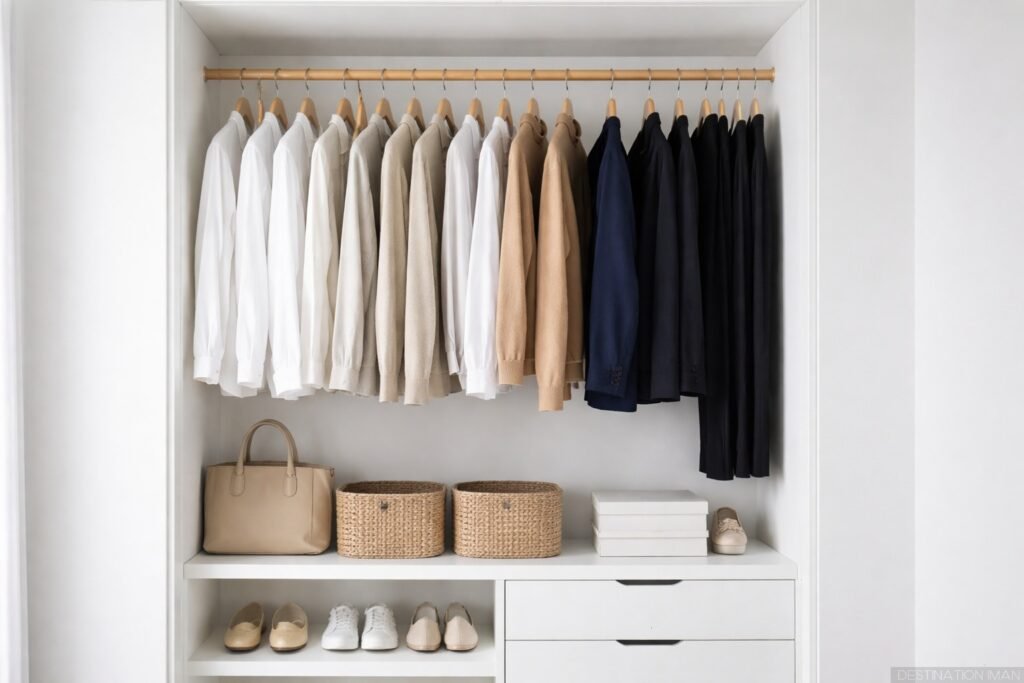
A capsule wardrobe is a small collection of versatile pieces that mix and match easily. It’s one of the most effective ways to stay stylish on a budget.
Example capsule structure:
| item type | color palette | versatility level |
|---|---|---|
| basic t-shirt | white, black, beige | high |
| jeans | dark blue | high |
| blazer | neutral tone | high |
| sneakers | white or black | high |
| dress/shirt | simple pattern | medium |
With just 20–30 well-chosen items, you can create dozens of outfits.
budget planning: setting limits that work
Without a budget, even small purchases add up quickly. A clear spending plan keeps things under control.
Monthly wardrobe budget example:
| income level | suggested clothing budget |
|---|---|
| low income | 2–4% |
| moderate income | 3–6% |
| higher income | 5–8% |
Another approach is the “per item value” method:
- Decide the maximum you’re willing to pay for each category.
- Stick to it consistently.
For example:
- T-shirts: low budget
- Jeans: medium budget
- Outerwear: higher budget
This prioritizes items you’ll wear the most.
smart shopping strategies
waiting before buying
Impulse purchases are the biggest budget killer. A simple rule: wait 48 hours before buying non-essential clothing. If you still want it, it’s more likely to be worth it.
shopping off-season
Clothing prices drop significantly when demand is low.
| season | best time to buy | discount potential |
|---|---|---|
| winter wear | late winter / early spring | high |
| summer wear | late summer / early fall | high |
thrift stores and second-hand options
Second-hand shopping can dramatically reduce costs. Many high-quality items are available at a fraction of their original price.
Tips:
- Check fabric quality
- Look for minimal wear
- Focus on timeless pieces
outlet stores and sales
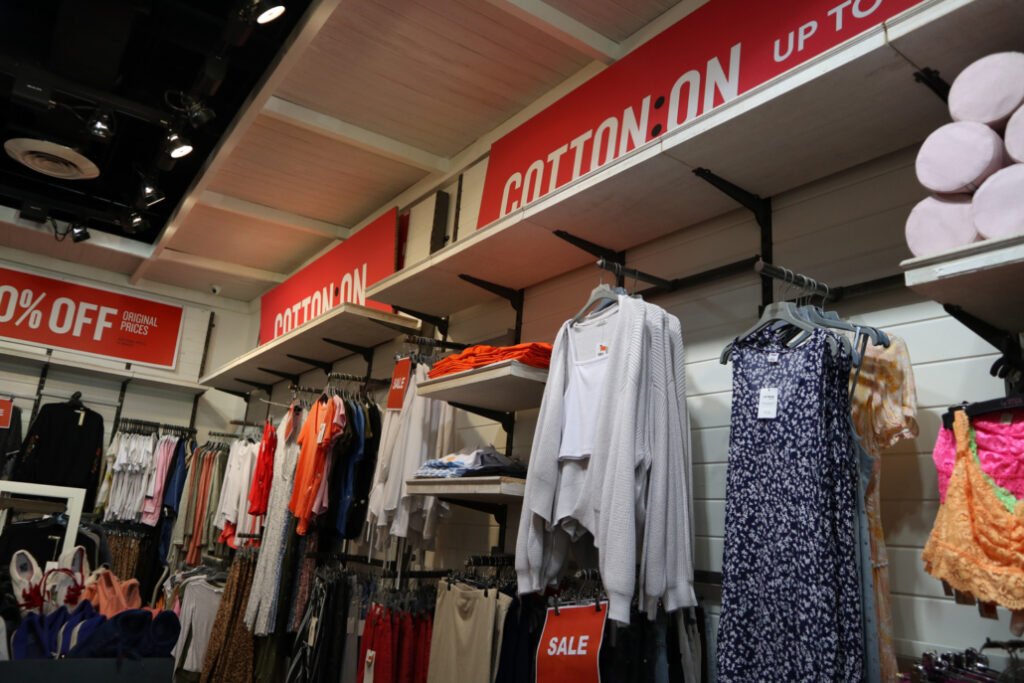
Not all sales are equal. The goal is to buy what you already planned, not what’s simply discounted.
quality over quantity
Buying fewer, better items often costs less in the long run. Cheap clothing tends to wear out quickly, leading to repeated purchases.
cost-per-wear formula:
| item | price | wears | cost per wear |
|---|---|---|---|
| cheap shirt | $10 | 5 | $2.00 |
| quality shirt | $25 | 25 | $1.00 |
The second option is actually more economical.
building a color palette
A cohesive color palette makes mixing and matching easier.
Basic structure:
- 2–3 neutral colors (black, white, beige, gray)
- 1–2 accent colors
Example:
| category | colors |
|---|---|
| neutrals | black, white, beige |
| accents | olive green, burgundy |
This reduces decision fatigue and ensures everything works together.
fit matters more than price
An inexpensive outfit that fits well looks better than an expensive one that doesn’t.
Key areas to check:
- shoulder alignment
- sleeve length
- waist fit
- pant length
Minor tailoring can transform a basic item into something polished, often at low cost.
accessorizing strategically
Accessories can completely change an outfit without requiring new clothes.
| accessory | impact level | cost range |
|---|---|---|
| belt | medium | low |
| watch | high | medium |
| scarf | medium | low |
| bag | high | medium |
Instead of buying more clothing, adding a few versatile accessories can multiply outfit options.
maintaining your wardrobe
Taking care of your clothes extends their life and reduces the need to replace them.
simple habits:
- wash less frequently when possible
- air dry to prevent damage
- store items properly
- repair small issues early
wardrobe rotation and decluttering
A cluttered wardrobe leads to unnecessary purchases because you forget what you own.
Declutter regularly:
- remove items you haven’t worn in a year
- donate or sell unused pieces
- reassess what you actually need
wardrobe audit table:
| item | worn recently | fits well | keep/remove |
|---|---|---|---|
| black jeans | yes | yes | keep |
| old t-shirt | no | no | remove |
avoiding common budget mistakes
buying duplicates unnecessarily
Sometimes people keep buying similar items because they feel safe. This leads to wasted money.
ignoring versatility
If an item only works with one outfit, it’s not a good investment.
falling for trends
Trendy pieces often have a short lifespan.
shopping emotionally
Buying clothes to cope with stress or boredom usually results in regret.
building confidence without overspending
Style isn’t just about clothes—it’s also about how you wear them. Confidence makes even simple outfits look intentional.
Focus on:
- posture
- grooming
- consistency in your style choices
example of a complete budget wardrobe plan
| step | action | outcome |
|---|---|---|
| 1 | define style | clear direction |
| 2 | audit current wardrobe | identify gaps |
| 3 | set budget | controlled spending |
| 4 | build capsule | versatile outfits |
| 5 | shop strategically | maximize value |
| 6 | maintain clothing | longer lifespan |
long-term mindset
Building a stylish wardrobe is not a one-time task. It’s an ongoing process that improves over time.
Instead of asking “what should I buy next?”, ask:
- does this fit my style?
- will I wear it often?
- does it work with what I already own?
This shift prevents unnecessary spending and builds a wardrobe that truly serves you.
frequently asked questions
- how can I look stylish with very little money?
Focus on fit, neutral colors, and clean, simple pieces. Even a small wardrobe can look polished if everything works together. - is it better to buy cheap clothes or save for expensive ones?
Generally, it’s better to invest in quality for items you wear frequently and save on occasional pieces. - how often should I update my wardrobe?
Only when necessary. Replace worn-out items and add pieces that fill real gaps, not just because something new is trending. - can thrift shopping really be reliable?
Yes, if done carefully. Many people find high-quality, barely-used items at very low prices. - how do I avoid impulse buying?
Use a waiting rule (24–48 hours) and keep a list of what you actually need before shopping. - what’s the biggest mistake in building a budget wardrobe?
Buying too many items without a plan. A smaller, intentional wardrobe always works better than a large, random one.