
I used to open my closet every morning and just… stand there. Overwhelmed. I had clothes stuffed into every corner, but somehow nothing felt right. Shirts I forgot I owned, jeans that didn’t fit anymore, and at least four “going out” tops I’d worn exactly once. Sound familiar?
It took one really frustrating Monday — running late, pulling out outfit after outfit, finally settling on something I felt “meh” about — for me to actually make a change. That’s when I started experimenting with a more minimal wardrobe, and honestly? It’s one of the best decisions I’ve made in a long time.
This isn’t about wearing the same thing every day or becoming some kind of fashion monk. It’s about owning less, but loving everything you own. Here are 7 staples I genuinely think are worth your money this year — based on real wear, real mistakes, and a lot of trial and error.
1. A Well-Fitted White or Cream Button-Down Shirt
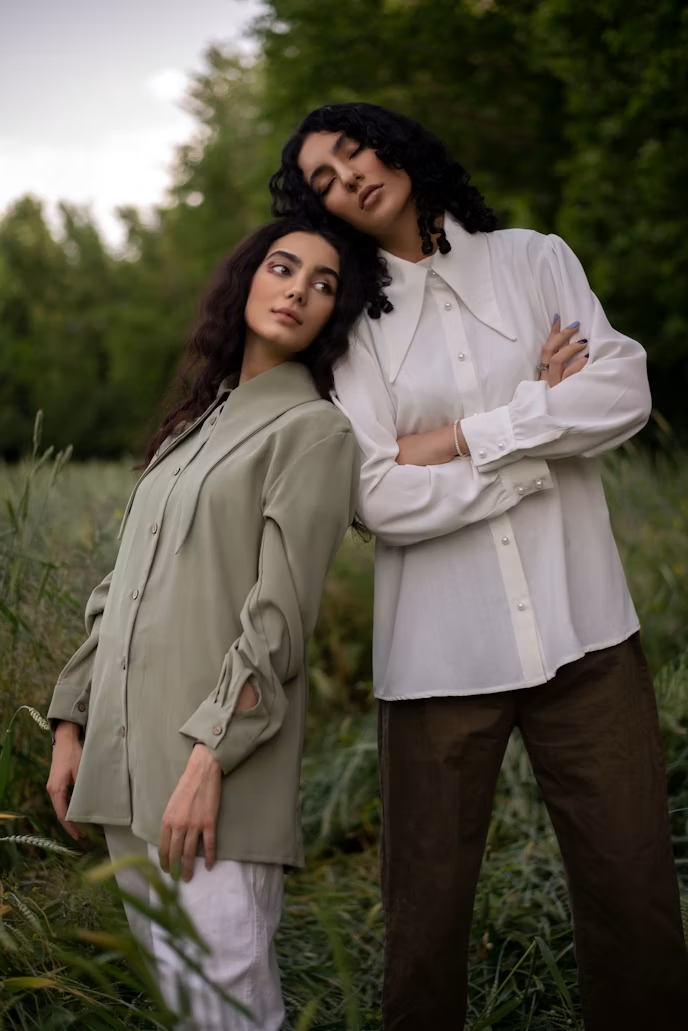
I resisted this one for years. A white shirt felt too plain, too “office,” too boring. Then I borrowed my friend’s oversized white linen button-down for a beach trip, and I haven’t looked back since.
A good button-down works dressed up, dressed down, layered open over a tee, or tucked into trousers. Linen works brilliantly for warmer climates (especially if you’re dealing with Karachi-level summers), while a cotton Oxford cloth version handles cooler weather just fine.
What to look for:
- A relaxed but not sloppy fit through the shoulders
- Natural fabric like cotton or linen — they breathe and get better with age
- Neutral color: white, cream, or light blue
My mistake: I bought a cheap fast-fashion version first. It went see-through after three washes and the collar flopped weirdly. Spend a little more here — even a mid-range option from a reliable brand will outlast five cheap ones.
2. Dark Wash Straight-Leg Jeans
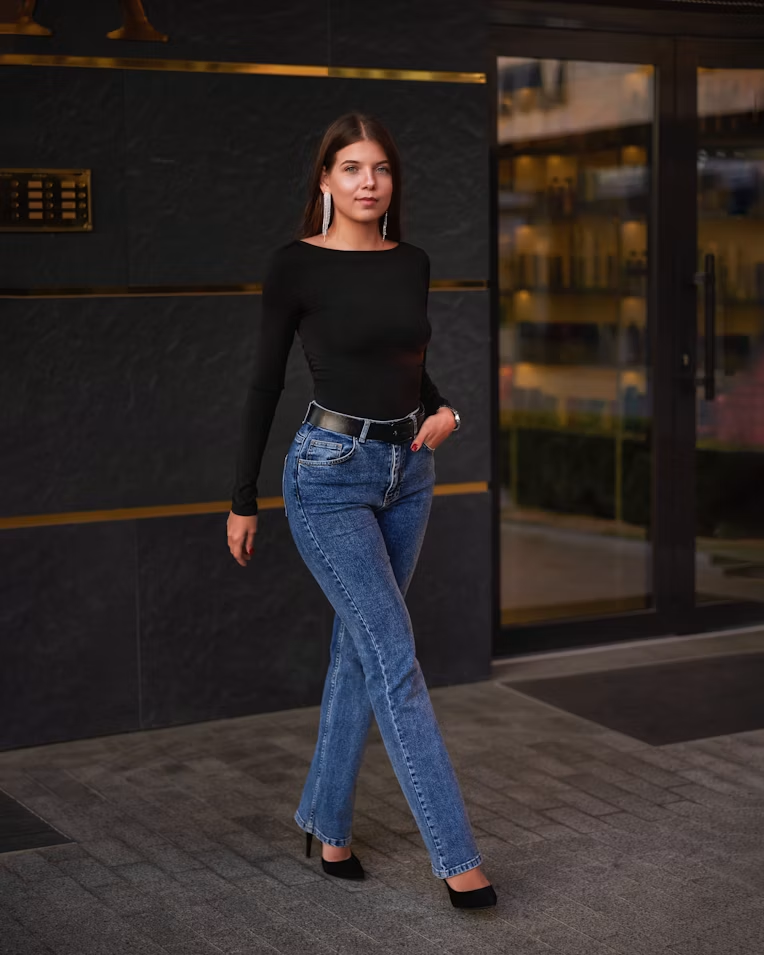
Skinny jeans had their moment. Wide-leg is having its moment. But straight-leg dark wash jeans? They’ve quietly been winning every single year for decades, and this year is no different.
Dark denim reads as more polished than light wash, which means you can wear these to a casual dinner, a work meeting, or just running errands without looking like you tried too hard — or not at all.
| Type | Best For | Longevity |
|---|---|---|
| Skinny Jeans | Trend-driven looks | Fades in and out |
| Wide-Leg Jeans | Relaxed, editorial style | Currently trending |
| Straight-Leg Dark Wash | Versatile, everyday wear | Always relevant |
| Light Wash Jeans | Casual, weekend outfits | Season-dependent |
The table above is why straight-leg dark wash keeps showing up in capsule wardrobe guides year after year. It’s the most versatile denim option you can own.
Pro tip: Get them hemmed to your exact length. A $10 tailor visit transforms a good pair into a great pair.
3. A Neutral Crewneck Sweater or Pullover
This is the piece I reach for more than anything else in colder months. A well-made crewneck in a neutral — think camel, oatmeal, charcoal, or navy — is endlessly wearable.
Layer it over a collared shirt for a smart look. Wear it alone with jeans for something clean and effortless. Throw it over a dress. Tuck the front slightly for a more intentional silhouette.
Fabric matters enormously here. I’ve tried cotton fleece (fine but pills fast), acrylic blends (avoid — sweaty and static-y), and merino wool (absolute winner). Merino regulates temperature, doesn’t smell after a few wears, and feels genuinely luxurious without requiring special care most of the time.
A lot of people skip this piece because they already own “a bunch of sweaters.” But those sweaters are probably in five different colors and weird textures. One or two really good neutral crewnecks will get more use than all of them combined.
4. A Classic White or Black T-Shirt (In the Right Weight)
Okay, yes — everyone says own a good white tee. But I want to be specific because most people get this wrong (I definitely did).
The weight and opacity of the fabric matters more than the brand name. A too-thin tee goes see-through, clings to everything, and looks cheap. A too-thick one looks boxy and stiff.
The sweet spot: 160–180 gsm (grams per square meter) in 100% cotton or a cotton-modal blend. This weight drapes well, holds its shape, and looks intentional rather than thrown on.
Here’s a quick breakdown of what I’ve found actually works:
T-Shirt Fabric Weight Guide
| GSM Range | Feel | Best Use |
|---|---|---|
| Under 140 gsm | Sheer, lightweight | Loungewear, layering only |
| 140–160 gsm | Casual, soft | Everyday wear (slim margin) |
| 160–180 gsm | Substantial, opaque | Ideal everyday tee |
| Above 180 gsm | Heavy, structured | Workwear, colder climates |
One black and one white tee in this range will go under blazers, with linen trousers, tucked into midi skirts, or worn alone with shorts. They do everything.
5. Tailored Trousers in a Neutral Tone
This was the piece that genuinely changed how put-together I look on a daily basis, and I wish someone had told me earlier.
Swap one pair of your casual pants for well-fitted trousers in camel, sand, off-white, black, or charcoal — and watch how many “outfits” you suddenly have. They instantly elevate a simple tee or plain sweater into something that looks deliberate and stylish.
You don’t need to spend a fortune. I found a perfect pair at a local market that cost less than most of my fast-fashion impulse buys, and I’ve worn them almost weekly for two years.
Common mistakes people make with trousers:
- Buying them too long and not getting them hemmed
- Choosing a super trendy cut (like ultra high-waist with a weird taper) over a classic straight or slightly tapered fit
- Ignoring the fabric — linen or a cotton blend breathes far better than polyester
If you’re building a minimal wardrobe from scratch, this is the piece I’d tell you to buy second, right after good denim. The wardrobe basics every closet needs almost always include this — for good reason.
6. A Versatile Outer Layer (Trench, Blazer, or Clean-Cut Jacket)
An outer layer does a lot of heavy lifting in a minimal wardrobe. It can transform an outfit entirely — the same white tee and jeans combo feels completely different under a structured blazer versus a relaxed trench coat.
You don’t need all three. Pick one based on your lifestyle and climate.
Quick Guide: Which Outer Layer Is Right for You?
| Outer Layer | Best Climate | Vibe | Versatility |
|---|---|---|---|
| Trench Coat | Mild, rainy | Classic, polished | Very high |
| Structured Blazer | Year-round | Smart, versatile | Very high |
| Denim Jacket | Warmer months | Casual, relaxed | High |
| Leather/Faux Leather | Cooler months | Edgy, modern | Medium |
| Quilted Vest | Cold transitional | Practical, outdoorsy | Medium |
A camel or beige trench is probably the most versatile overall — it layers over almost everything and never looks out of place. A navy or charcoal blazer runs a very close second.
I’d stay away from anything with heavy branding or loud hardware. Those pieces look dated fast. Clean and simple wins every time when you’re going minimal.
7. A Comfortable, Sleek Everyday Shoe
Shoes can make or break a minimal wardrobe, and this is where I see people trip up the most (no pun intended). They build a clean, thoughtful outfit and then add bulky, trend-driven shoes that clash with the whole aesthetic.
For everyday wear, you want one shoe that’s comfortable enough for all-day wear but clean enough to look intentional. My personal go-tos:
- White leather sneakers — works with almost everything, very easy to clean with a damp cloth
- Simple leather loafers — slightly more polished, great with trousers or a midi skirt
- Clean low-profile running shoes in neutral colors — if you’re on your feet all day
Avoid shoes with chunky logos, excessive detailing, or overly trendy silhouettes. They age badly and limit your outfit options more than you’d think.
I rotated between two pairs for most of last year: white sneakers and tan loafers. That’s it. Never once felt like I was missing anything.
Common Mistakes to Avoid When Building a Minimal Wardrobe
I’ve made most of these myself, so take these seriously:
Buying everything in black thinking it’s “minimal” — Black is great, but an all-black wardrobe can feel heavy and one-note. Mix in one or two neutrals like camel, oatmeal, or navy for balance.
Skipping the try-on — Fit is everything in a minimal wardrobe. If something doesn’t fit well right now, it won’t magically get better. Don’t buy it hoping to alter it or grow into it.
Going budget on high-use items — Spend more on things you’ll wear daily (tees, jeans, your one good shoe). Save on lower-use pieces.
Buying pieces that don’t work with what you already own — Before every purchase, ask: does this go with at least three things I already have? If the answer is no, put it back.
Decluttering and immediately refilling — The whole point of minimizing is to buy less, not to create a shopping list. Give yourself a pause period before any new purchase.
Building a minimal wardrobe is really a gradual process. You don’t need to do it all at once — check out these 9 easy capsule wardrobe building steps to simplify your closet if you want a step-by-step approach that doesn’t overwhelm you.
How These 7 Pieces Work Together
Here’s a quick visual of how just these 7 staples can create a surprising number of outfits:
Outfit Combination Chart
| Top | Bottom | Layer | Shoe | Occasion |
|---|---|---|---|---|
| White tee | Dark jeans | Trench coat | White sneakers | Casual day out |
| Button-down shirt | Tailored trousers | — | Loafers | Work / lunch meeting |
| Crewneck sweater | Dark jeans | — | White sneakers | Weekend errand |
| White tee | Tailored trousers | Blazer | Loafers | Smart casual |
| Button-down (open) | Dark jeans | — | Clean sneakers | Relaxed weekend |
| Crewneck sweater | Tailored trousers | Trench coat | Loafers | Travel / commute |
That’s six completely different looks from seven items. And this doesn’t even account for mixing colors or tucking/untucking — the real number is much higher.
Final Thoughts
Here’s the thing nobody tells you about a minimal wardrobe: the goal isn’t to own fewer clothes so you can feel smug about it. The goal is to get dressed faster, feel better in what you’re wearing, and stop wasting mental energy on decisions that don’t actually matter.
These 7 pieces are worth buying this year because they’ll still be worth wearing next year, and the year after that. They work across seasons (especially if you choose the right fabrics), they mix easily with each other, and they grow with you as your style evolves.
Start with one or two if you can’t overhaul everything at once. Even adding a single well-fitted tailored trouser or a quality crewneck to your rotation will make a noticeable difference.
It’s not about having a perfect wardrobe. It’s about having a useful one.
Also worth reading: How to Build a Stylish Budget Wardrobe Without Overspending
Frequently Asked Questions
Q1: How many pieces do I actually need in a minimal wardrobe?
There’s no magic number, but most people find that 30–40 pieces (including shoes and outerwear) is plenty for a functional, comfortable wardrobe. The key is that each piece should earn its place — meaning you actually wear it, it fits well, and it works with multiple other items.
Q2: Do I need to spend a lot of money to build a good minimal wardrobe?
Not at all. The goal is quality over quantity, but quality doesn’t always mean expensive. Thrift stores, end-of-season sales, and reliable mid-range brands can all deliver great basics. Prioritize spending more on high-wear items like jeans, a daily shoe, and your outer layer — and be more budget-flexible on lower-use pieces.
Q3: Can a minimal wardrobe work if I have a very active or varied lifestyle?
Yes, absolutely. The key is choosing versatile pieces that transition between contexts — a button-down shirt, for example, can work at a desk job and a casual weekend. If your life requires specific gear (sportswear, formalwear), keep those as a separate small category and don’t let them crowd out your everyday basics.
Q4: What’s the best way to start if I already have a full closet?
Start with a simple audit: pull everything out and make three piles — keep, donate/sell, and unsure. Put the “unsure” pile in a bag and store it out of sight for 30 days. If you don’t go looking for anything in that bag, you probably don’t need it. Then, with your “keep” pile, identify any genuine gaps and fill those intentionally.
Q5: Is a minimal wardrobe the same as a capsule wardrobe?
They’re closely related but not identical. A capsule wardrobe usually refers to a curated set of interchangeable pieces (often 30–40 items) that all work together. A minimal wardrobe is a broader concept — it’s about owning less in general and being intentional about what you keep. A capsule wardrobe is basically one way of doing minimalism in your closet.