A well-functioning wardrobe isn’t built on trends—it’s built on dependable basics. These are the pieces you reach for when you’re in a hurry, unsure what to wear, or trying to build an outfit that just works without overthinking.
Modern style is less about owning more and more about owning right. The right basics simplify daily decisions, reduce clutter, and ensure you always have something appropriate for work, casual outings, travel, and changing weather conditions.
Below are ten wardrobe basics every closet needs today, along with practical tables, comparisons, and outfit-building insights to help you understand how each item actually works in real life.
- The classic white shirt
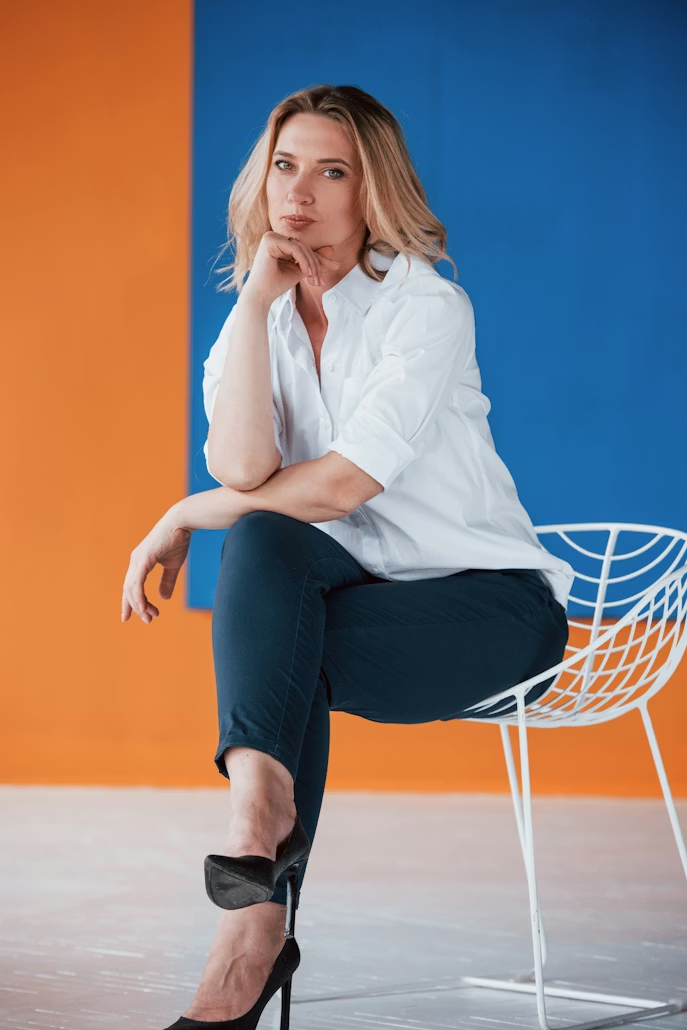
The white shirt is the foundation of almost every functional wardrobe. It’s simple, adaptable, and works across formal, casual, and semi-formal settings.
You can wear it tucked into trousers for meetings, layered under sweaters in winter, or paired with denim for a relaxed weekend look.
Key strengths:
- Works in all seasons
- Easy to layer
- Suitable for multiple dress codes
Table: white shirt outfit versatility
| Occasion | Styling Method | Layering Option | Result |
|---|---|---|---|
| Office | Tucked in trousers | Blazer | Formal |
| Casual outing | Loose fit + jeans | None | Relaxed |
| Winter look | Under sweater | Coat | Warm + structured |
| Evening event | Slim fit + accessories | Light jacket | Smart casual |
- Well-fitted jeans
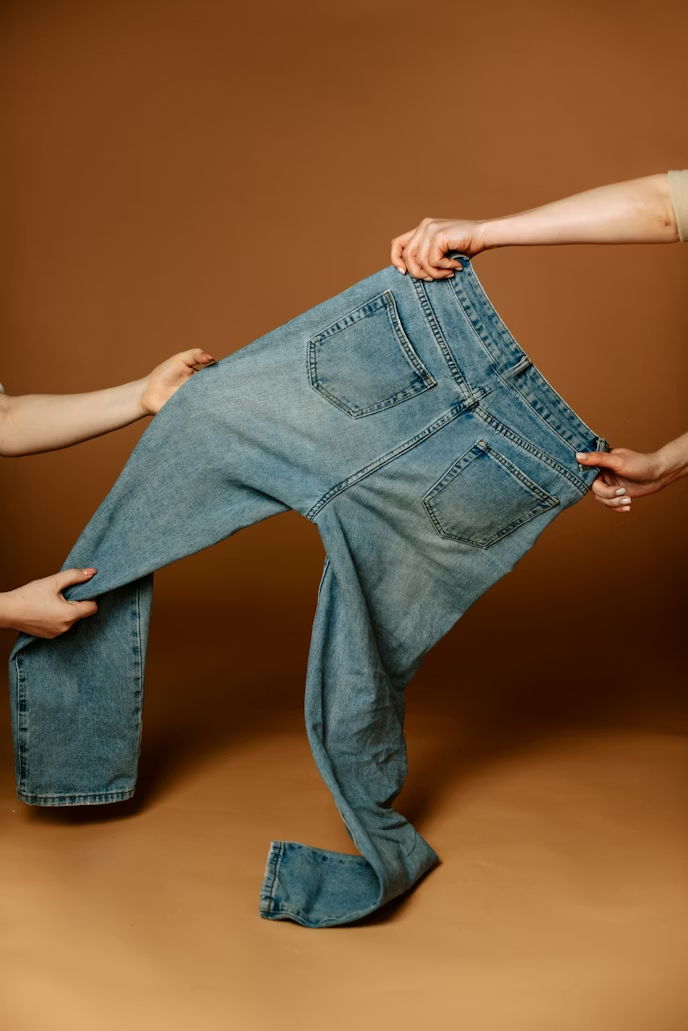
Denim is one of the most universal wardrobe basics. A good pair of jeans adapts to nearly every lifestyle, from casual errands to semi-dressy occasions.
The key is fit. Not too tight, not too loose—just balanced enough to flatter your body while allowing movement.
Table: jean fits and their use
| Fit Type | Best For | Style Effect | Comfort Level |
|---|---|---|---|
| Slim fit | Smart casual | Sharp | Medium |
| Regular | Everyday wear | Balanced | High |
| Relaxed | Comfort-focused | Casual | Very high |
| Straight | All body types | Classic | High |
- Plain neutral t-shirts
A high-quality t-shirt is one of the most underrated essentials in any wardrobe. It serves as a base layer, a standalone outfit piece, or a layering tool under jackets and shirts.
Neutral colors like white, black, gray, and beige are the most versatile.
Fabric comparison chart:
| Fabric Type | Breathability | Durability | Best Use Case |
|---|---|---|---|
| Cotton | High | Medium | Everyday wear |
| Cotton blend | Medium | High | Active lifestyle |
| Linen blend | Very high | Medium | Summer wear |
- A structured blazer
A blazer instantly elevates any outfit. Even a simple t-shirt and jeans combination becomes more polished when paired with a structured blazer.
It bridges the gap between formal and casual wear, making it one of the most powerful wardrobe basics.
Why it matters:
- Adds instant structure
- Works for meetings and events
- Transforms casual outfits
Table: blazer transformation effect
| Base Outfit | With Blazer Added | Style Upgrade Level |
|---|---|---|
| T-shirt + jeans | Smart casual look | High |
| Shirt + trousers | Business formal | Medium |
| Dress | Evening chic | High |
- Comfortable sneakers
Sneakers are no longer just sportswear—they are everyday essentials. A clean, minimal pair of sneakers works with jeans, trousers, dresses, and even semi-formal outfits.
Key qualities:
- Neutral design
- Good cushioning
- Durable sole
Table: sneaker usage breakdown
| Outfit Type | Sneaker Style | Occasion Suitability |
|---|---|---|
| Casual | Chunky sneakers | High |
| Smart casual | Minimal sneakers | Very high |
| Travel wear | Cushioned sneakers | Essential |
- A versatile jacket
A jacket is a seasonal necessity, but also a year-round styling tool. Depending on your climate, this could be a denim jacket, bomber jacket, or lightweight utility jacket.
It adds personality while also providing practical warmth.
Comparison chart:
| Jacket Type | Season Use | Style Impact | Functionality |
|---|---|---|---|
| Denim jacket | Spring/Fall | Casual classic | Medium |
| Bomber jacket | Year-round | Modern sporty | High |
| Utility jacket | All seasons | Functional style | High |
- Black trousers
Black trousers are the most reliable alternative to jeans. They are cleaner, more formal, and work in situations where denim might feel too casual.
They are essential for work environments, dinners, and travel outfits.
Table: when to choose black trousers
| Situation | Reason | Styling Advantage |
|---|---|---|
| Office wear | Formal appearance | Professional |
| Evening events | Clean silhouette | Elegant |
| Travel | Comfortable fit | Versatile |
- Lightweight sweater
A sweater is a layering essential that works across multiple seasons. It provides warmth without bulk and adds texture to simple outfits.
Best used in:
- Cold mornings
- Air-conditioned environments
- Transitional seasons
Fabric comparison:
| Material | Warmth Level | Weight | Breathability |
|---|---|---|---|
| Wool | High | Medium | Medium |
| Cotton | Medium | Light | High |
| Acrylic | Medium | Light | Low |
- Everyday dress or versatile outfit piece
For many wardrobes, a simple dress (or one-piece outfit) is an essential. It removes the need for coordination and offers instant styling.
Depending on your preference, this could also be a jumpsuit or coordinated set.
Benefits:
- Fast outfit solution
- Easy to accessorize
- Works for multiple occasions
- Functional accessories
Accessories complete a wardrobe. Even the simplest outfit can feel intentional when paired with the right details.
Essential accessories include:
- Belt
- Watch
- Sunglasses
- Neutral bag
Table: accessory impact on outfit
| Accessory | Function | Style Contribution |
|---|---|---|
| Belt | Fit + structure | Medium |
| Watch | Elegance | High |
| Sunglasses | Protection + style | High |
| Bag | Utility | Medium |
Wardrobe basics structure overview
| Category | Item | Frequency of Use | Versatility Score |
|---|---|---|---|
| Tops | White shirt | Very high | 10/10 |
| Bottoms | Jeans | Very high | 10/10 |
| Footwear | Sneakers | Very high | 9/10 |
| Outerwear | Jacket | High | 9/10 |
| Formal wear | Blazer | Medium | 8/10 |
| Essentials | T-shirts | Very high | 10/10 |
How to build outfits from basics
Step 1: choose a base (t-shirt, shirt, or dress)
Step 2: add a bottom (jeans or trousers)
Step 3: layer with jacket or sweater
Step 4: complete with shoes and accessories
This system reduces decision fatigue and increases outfit consistency.
Common mistakes to avoid
- Buying trendy items instead of basics
- Ignoring fabric quality
- Choosing style over comfort
- Owning too many similar pieces
- Not focusing on fit
Wardrobe optimization strategy
| Goal | Action Step |
|---|---|
| Simplicity | Reduce duplicate items |
| Versatility | Choose neutral colors |
| Efficiency | Focus on layering pieces |
| Longevity | Invest in quality fabrics |
FAQs
- How many wardrobe basics do I actually need?
Most people function well with 10–15 strong basics that can be mixed and matched. - What colors are best for wardrobe basics?
Neutral colors like black, white, gray, beige, and navy are the most versatile. - Should basics be expensive?
Not necessarily. Focus more on fabric quality and fit than brand name. - How often should wardrobe basics be replaced?
Typically every 1–3 years depending on usage and material quality. - Can basics still look stylish?
Yes, styling, layering, and fit make basics look modern and intentional. - What’s the most important wardrobe basic?
A well-fitted top (like a white shirt or neutral t-shirt) because it forms the foundation of most outfits.