

Layering is often talked about like a basic skill—something you pick up along the way while figuring out how to dress for colder months. But in practice, it’s much more nuanced. Done right, layering is equal parts comfort, function, and expression. Done poorly, it can leave you bulky, mismatched, or constantly adjusting your outfit throughout the day.
This article explores eight practical, experience-driven layering tips that actually hold up across seasons. Instead of repeating generic advice, it leans into real-life application—how fabrics behave, how silhouettes interact, and how small decisions affect the overall look.
To make things more useful than just paragraphs of text, you’ll also find tables, quick-reference charts, and practical comparisons throughout.
- Start with a Purposeful Base Layer
Most layering advice begins here, but not all base layers are equal. The goal of a base layer isn’t just to “wear something underneath”—it’s to regulate temperature and manage moisture.
A poorly chosen base layer traps sweat, sticks to the skin, and ruins everything built on top of it. A good one disappears into the background while doing all the heavy lifting.
Key considerations:
- Breathability
- Moisture-wicking ability
- Fit (close but not restrictive)
Informational Table: Base Layer Fabric Comparison
| Fabric Type | Breathability | Warmth | Moisture Control | Best Season |
|---|---|---|---|---|
| Cotton | Medium | Low | Poor | Mild spring/autumn |
| Merino Wool | High | High | Excellent | Cold weather |
| Synthetic Blends | High | Medium | Very Good | Active layering |
| Silk | Medium | Medium | Good | Transitional |
A common mistake is defaulting to cotton for all seasons. Cotton absorbs moisture and holds onto it, which can leave you cold in winter and uncomfortable in humid conditions.
- Build Around a Lightweight Middle Layer
If the base layer manages comfort, the middle layer controls insulation. This is where you actually retain heat.
Think of this layer as flexible. It should be easy to add or remove depending on changing conditions.
Examples include:
- Thin sweaters
- Flannel shirts
- Lightweight fleece
Quick Chart: Middle Layer Weight Guide
| Temperature Range | Recommended Layer Type |
| 5–10°C | Medium knit sweater |
| 10–18°C | Light sweater or flannel |
| 18–24°C | Shirt-style overshirt |
The mistake here is going too heavy too early. A thick sweater limits your ability to adjust throughout the day.
- Use Outer Layers Strategically, Not Emotionally
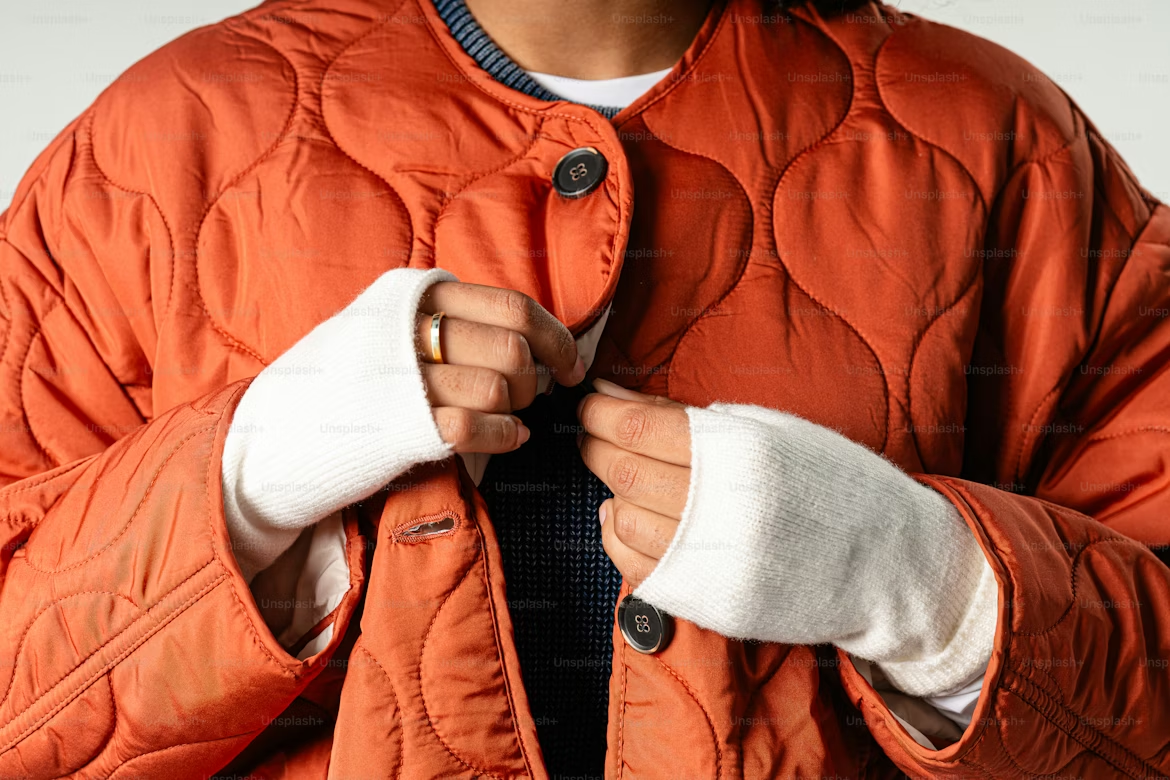
Outerwear is where many people overcompensate. It’s tempting to grab the heaviest jacket available, but that often leads to overheating.
Instead, match your outer layer to the conditions, not just the season label.
Factors to consider:
- Wind resistance
- Water resistance
- Ventilation
Comparison Table: Outerwear Types
| Outerwear Type | Wind Protection | Rain Protection | Breathability | Ideal Use Case |
| Denim Jacket | Low | None | High | Dry, mild weather |
| Trench Coat | Medium | Medium | Medium | Rainy transitions |
| Puffer Jacket | High | Low | Low | Cold, dry conditions |
| Shell Jacket | High | High | High | Unpredictable weather |
The best layering systems often rely on lighter outerwear paired with strong inner layers.
- Balance Proportions to Avoid Bulk
Layering naturally adds volume, but that doesn’t mean you have to look oversized or shapeless.
The trick is proportion.
Guidelines:
- Keep inner layers slim
- Allow outer layers slightly more room
- Avoid stacking thick items on top of each other
Visual Breakdown (Textual Chart):
| Layer Position | Recommended Fit |
| Base | Fitted |
| Middle | Slightly relaxed |
| Outer | Structured/roomy |
A bulky base layer combined with a heavy sweater and oversized coat creates unnecessary weight and restricts movement.
- Mix Textures for Depth, Not Chaos

Layering isn’t just about warmth—it’s also about visual interest.
Different textures create contrast and make outfits look more intentional.
Examples of effective combinations:
- Smooth cotton + rough denim
- Wool knit + structured leather
- Soft fleece + crisp cotton
Texture Pairing Table:
| Texture 1 | Texture 2 | Result |
| Cotton | Wool | Balanced warmth |
| Denim | Knit | Casual contrast |
| Leather | Cotton | Structured look |
| Fleece | Nylon | Sporty aesthetic |
Too many similar textures can make an outfit feel flat. Too many competing ones can make it look cluttered.
- Master Color Coordination Across Layers
Color is where layering either comes together or falls apart.
A practical approach is to anchor your outfit with neutral tones and introduce one or two accent colors.
Simple layering color rule:
- Base: neutral
- Middle: complementary
- Outer: either neutral or bold focal point
Color Coordination Chart:
| Base Color | Middle Layer Option | Outer Layer Option |
| White | Blue, Grey | Black, Brown |
| Black | Beige, Olive | Grey, Camel |
| Grey | Navy, Burgundy | Black, Charcoal |
Avoid stacking multiple loud colors unless you’re intentionally experimenting.
- Adapt Layering for Movement and Lifestyle
Layering isn’t static. It has to work with your daily routine.
If you’re constantly moving between indoor and outdoor spaces, flexibility matters more than insulation.
Scenario Table:
| Scenario | Layering Strategy |
| Office + commute | Easy-to-remove outer layer |
| Outdoor activities | Moisture-wicking + breathable |
| Travel | Lightweight, packable layers |
| Casual daily wear | Balanced comfort and style |
A common mistake is dressing for the cold outdoors but ignoring the overheated indoor environments you’ll spend most of your time in.
- Learn the Art of Layer Removal
Layering isn’t just about putting clothes on—it’s about taking them off without ruining your outfit.
Each layer should be able to stand on its own visually.
Checklist:
- Does the base layer look presentable alone?
- Does the middle layer work without the jacket?
- Are proportions still balanced after removing a piece?
Layer Dependency Chart:
| Layer Removed | Outfit Still Works? |
| Outer | Should always work |
| Middle | Ideally yes |
| Base | Not applicable |
This approach ensures you’re prepared for temperature changes without compromising your look.
Putting It All Together
Layering isn’t about piling on clothes—it’s about building a system. Each layer has a role, and when those roles are clear, the entire outfit feels effortless.
Quick Summary Table:
| Tip Number | Core Idea |
| 1 | Smart base layer |
| 2 | Flexible middle layer |
| 3 | Strategic outerwear |
| 4 | Balanced proportions |
| 5 | Texture contrast |
| 6 | Color coordination |
| 7 | Lifestyle adaptability |
| 8 | Smart layer removal |
When you approach layering this way, you stop reacting to the weather and start anticipating it.
FAQs
- How many layers are too many?
There isn’t a strict number, but once movement feels restricted or you start overheating quickly, it’s a sign you’ve gone too far. Most effective outfits use three layers.
- Can layering work in warm weather?
Yes, but the focus shifts to lightweight and breathable fabrics. Think open shirts over t-shirts or light overshirts instead of heavy knits.
- What’s the biggest layering mistake?
Wearing layers that don’t work independently. If removing one piece ruins the outfit, the system isn’t balanced.
- Are expensive fabrics necessary for good layering?
Not necessarily. While materials like merino wool perform better, good layering is more about understanding function than price.
- How do I avoid looking bulky?
Keep inner layers slim and avoid stacking thick fabrics. Also, choose structured outerwear to maintain shape.
- Is layering only for winter?
No. Layering applies year-round. The difference lies in fabric weight and how many layers you use.
Final Thoughts
Layering is less about fashion rules and more about awareness—of temperature, movement, and how different pieces interact. Once you understand those dynamics, even a simple outfit can feel intentional and refined.