
Building a stylish wardrobe doesn’t always mean spending more. In fact, some of the most effective style upgrades come from replacing expensive habits with smarter, more affordable alternatives. A “budget wardrobe swap” is not about lowering your style—it’s about improving decision-making so you spend less while getting more value, versatility, and wear from every piece.
The goal is simple: reduce unnecessary spending while increasing outfit options.
This guide breaks down six powerful wardrobe swaps that consistently save money without sacrificing style.
why wardrobe swaps matter more than shopping
Most people don’t overspend because they buy luxury items. They overspend because of repetition—buying similar items in slightly different forms, or replacing things too often instead of improving how they shop.
Here’s how spending usually leaks:
| Problem Behavior | Resulting Waste |
|---|---|
| Impulse buying | Clothes worn 1–2 times only |
| Trend chasing | Outfits become outdated quickly |
| Poor quality basics | Frequent replacements |
| Overlapping items | Closet clutter, unused clothes |
Smart swaps fix this by redirecting spending, not stopping it entirely.
swap 1: fast fashion tops → high-quality neutral basics
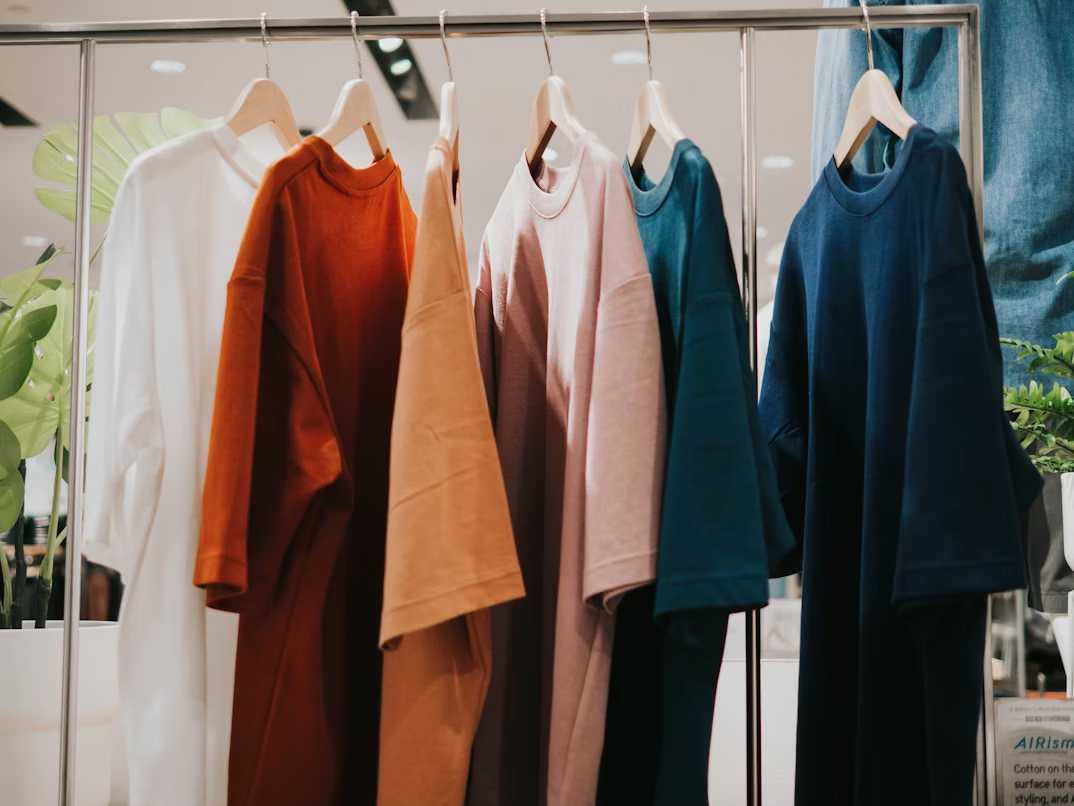
One of the biggest money drains is repeatedly buying cheap tops that lose shape, fade, or go out of style quickly.
Instead, switch to fewer but higher-quality neutral basics.
comparison table:
| Category | Fast Fashion Tops | Quality Basics |
|---|---|---|
| Price per item | Low | Higher upfront |
| Lifespan | 3–6 months | 2–5 years |
| Fit retention | Weak over time | Stable |
| Style flexibility | Limited | High |
why it saves money:
You replace items less often and combine them with more outfits.
best basics to invest in:
- white fitted t-shirt
- black crew neck tee
- neutral tank tops
- simple long sleeves
cost impact example:
| Yearly Buying Pattern | Fast Fashion | Quality Basics |
|---|---|---|
| Items purchased | 12 tops | 4 tops |
| Total cost | Medium | Slightly higher initially |
| Replacement need | 2–3 times | once every few years |
swap 2: trend jeans → classic denim cuts
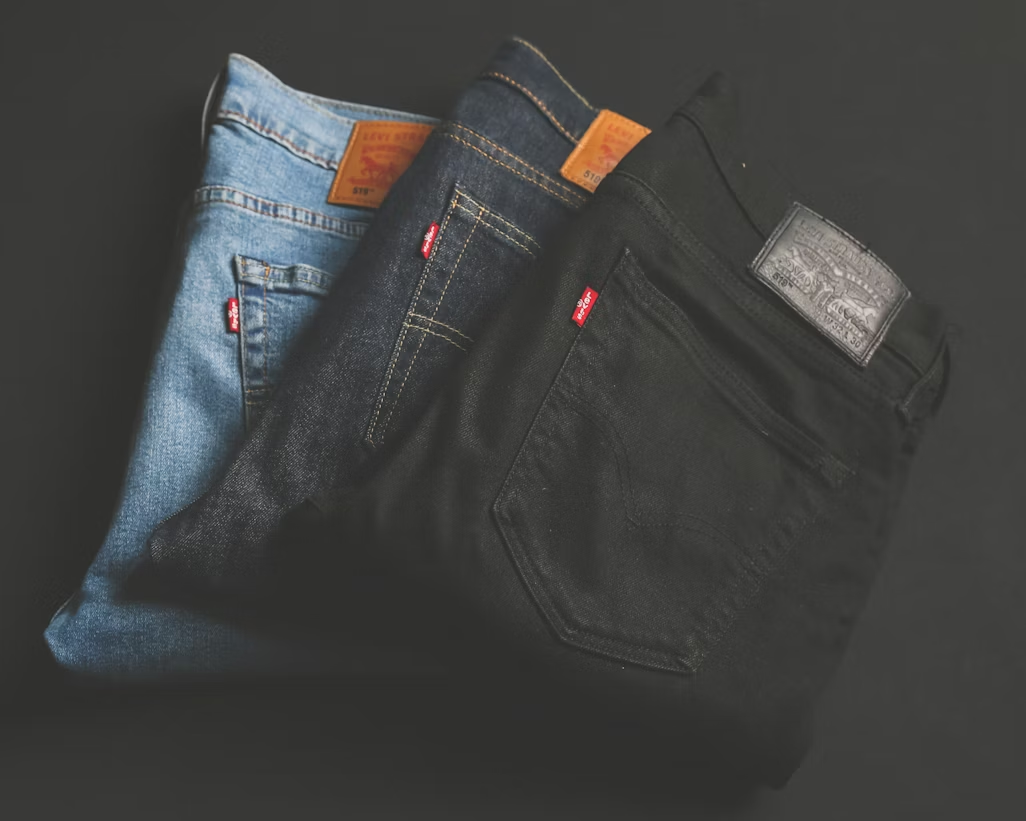
Trend-driven jeans (extreme cuts, patterns, or seasonal styles) often lose relevance quickly. Classic denim fits, however, stay wearable for years.
comparison chart:
| Feature | Trend Jeans | Classic Jeans |
|---|---|---|
| Style lifespan | 1 season–1 year | 3–6+ years |
| Outfit pairing | Limited | Almost universal |
| Resale value | Low | Moderate |
| Versatility | Low | High |
best replacement options:
- straight-leg jeans
- slim-fit dark denim
- mid-wash classic cut
money-saving insight:
One versatile pair can replace 2–3 trend-based jeans.
swap 3: seasonal shoes → all-round neutral footwear
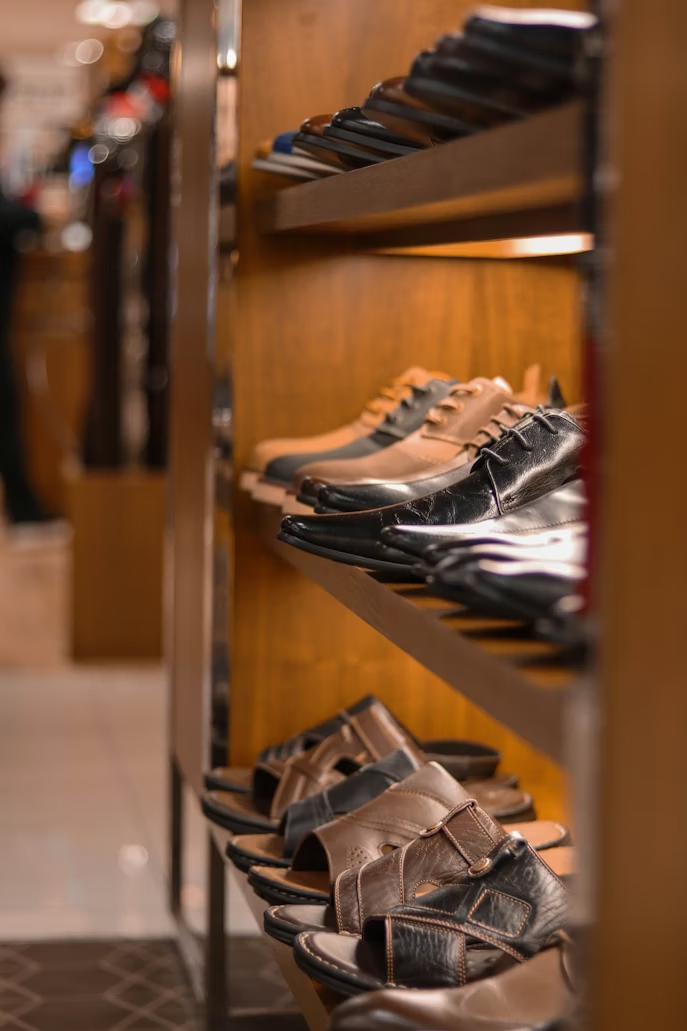
Shoes are one of the most underestimated spending traps. People often buy multiple pairs for small variations in outfits or seasons.
Instead, choose neutral, multi-season footwear.
shoe swap comparison:
| Type of Shoe | Cost Behavior | Usage Frequency |
|---|---|---|
| Seasonal shoes | High replacement | Low |
| Neutral sneakers | Long-term use | High |
| Basic loafers | Versatile | Medium-high |
ideal budget-friendly rotation:
- white sneakers
- black loafers
- simple ankle boots
why it works:
Neutral shoes match almost every outfit combination, reducing the need for “special occasion” purchases.
swap 4: single-use outfits → mix-and-match sets
Many wardrobes contain outfits that only work in one specific combination. This leads to underuse and wasted value.
Instead, build interchangeable pieces.
example transformation:
| Old Approach | New Approach |
|---|---|
| 1 dress = 1 outfit | dress + jacket + sneakers |
| 1 suit set only worn together | blazer + jeans + trousers flexibility |
| fixed outfit combos | modular wardrobe system |
mix-and-match system chart:
| Base Item | Works With Top | Works With Layer | Outfit Count |
|---|---|---|---|
| Black pants | T-shirt, shirt | Blazer, jacket | 6–8 outfits |
| White tee | Jeans, skirts | Cardigan, blazer | 5–7 outfits |
| Midi skirt | Knit, blouse | Denim jacket | 4–6 outfits |
money-saving effect:
Instead of buying 10 separate outfits, you build 10+ combinations from 5–6 items.
swap 5: expensive seasonal wardrobe refresh → capsule rotation system
Many people feel the need to “refresh” their wardrobe every season, often spending unnecessarily.
Instead, rotate a capsule wardrobe.
comparison table:
| Approach | Cost Pattern | Efficiency |
|---|---|---|
| Seasonal refresh buys | High spending | Low sustainability |
| Capsule rotation | Controlled spend | High efficiency |
capsule rotation system:
| Season | Focus Pieces Added | Items Reused |
|---|---|---|
| Spring | Light layers | 80% wardrobe |
| Summer | Breathable basics | 85% wardrobe |
| Autumn | Knit + jackets | 90% wardrobe |
| Winter | Coats + boots | 90% wardrobe |
why it saves money:
You stop rebuilding your wardrobe every 3–4 months.
swap 6: branded statement pieces → subtle elevated essentials
Brand-name statement items often carry high cost but limited versatility. A more strategic approach is choosing subtle, elevated essentials that still look refined.
comparison chart:
| Factor | Statement Pieces | Elevated Basics |
|---|---|---|
| Cost | High | Moderate |
| Styling options | Limited | Wide |
| Repeat use | Low | High |
| Trend dependency | High | Low |
examples of smarter essentials:
- structured neutral blazer instead of logo blazer
- plain leather bag instead of branded seasonal bag
- simple watch instead of luxury fashion watch
long-term benefit:
You reduce “identity spending” and shift toward functionality.
overall savings breakdown
Here’s how these swaps impact yearly spending:
| Category | Before Swaps | After Swaps | Estimated Savings |
|---|---|---|---|
| Tops | High | Moderate | 30–50% |
| Jeans | High | Low | 40% |
| Shoes | High | Moderate | 35–60% |
| Seasonal clothing | Very high | Low | 50–70% |
| Statement items | Moderate | Low | 30–50% |
total wardrobe cost reduction:
typically 30% to 60% depending on lifestyle.
psychology behind budget wardrobe swaps
Saving money on clothing isn’t just about choices—it’s about habits.
three key behavioral shifts:
- replacing “newness” with “versatility”
Instead of asking “Is this new?” ask “Does this work with what I already own?” - reducing emotional shopping
Most unnecessary purchases are mood-based, not need-based. - increasing outfit reuse satisfaction
Wearing something multiple ways increases perceived value.
simple wardrobe rule system
You can apply these rules to maintain savings long-term:
| Rule | Purpose |
|---|---|
| One in, one out | Prevents overload |
| 5-outfit rule | Every item must match 5+ outfits |
| Neutral base priority | Ensures flexibility |
| Seasonal audit | Removes unused items |
common mistakes to avoid
Even budget-friendly wardrobes can fail if mismanaged.
- buying “cheap” instead of “value”
Cheap items often cost more over time. - ignoring fit quality
Poor fit reduces usage, no matter the price. - over-minimizing
Too few pieces can reduce functionality. - skipping maintenance
Care extends lifespan significantly.
final thoughts
Budget wardrobe swaps aren’t about restriction. They’re about replacing wasteful patterns with intentional ones. Once you start seeing clothing as a system instead of individual purchases, your spending naturally decreases—and your outfit options often increase.
A well-structured wardrobe doesn’t just save money. It simplifies decision-making, reduces clutter, and makes getting dressed easier every single day.
faqs
- how many clothes do I actually need for a budget wardrobe?
Most people function well with 25–40 versatile pieces, depending on climate and lifestyle. - do budget swaps mean I should stop buying trendy clothes?
No, but trends should be limited to small, replaceable items—not core wardrobe pieces. - what is the most important swap for beginners?
Neutral high-quality basics give the fastest and most noticeable savings. - how quickly can I see financial results from these swaps?
Many people notice reduced spending within 1–2 months of adjusting habits. - are expensive clothes always better quality?
Not always. Fabric, stitching, and care matter more than price tags. - can I still express personal style with a budget wardrobe?
Yes—style comes from combinations, not quantity or cost of items.