

A wardrobe problem is rarely about not having enough clothes. Most of the time, it’s about having the wrong mix, poor organization, or pieces that don’t work together. When money is tight or you simply don’t want to overspend, fixing your wardrobe doesn’t mean starting over. It means making smarter adjustments that improve what you already own.
This guide focuses on practical, budget-friendly fixes that work in any season—summer heat, winter layering, or in-between transitional months. Each idea is designed to be quick, realistic, and adaptable to everyday life.
Instead of pushing you toward buying more, the goal here is to help you get more value from less.
understanding the real wardrobe problem
Before jumping into fixes, it helps to understand why wardrobes feel “broken” in the first place.
Most common issues fall into four categories:
wardrobe problem breakdown
| Problem Type | What It Looks Like | Root Cause |
|---|---|---|
| Outfit confusion | “I have nothing to wear” feeling | Poor coordination |
| Overstuffed closet | Too many clothes, still no options | Redundancy + impulse buys |
| Seasonal imbalance | Winter heavy, summer lacking (or vice versa) | No planning system |
| Low outfit quality | Clothes exist but don’t look good together | Lack of structure |
Fixing these doesn’t require a big shopping spree. It requires targeted changes.
fix 1: create a “rotation system” instead of buying new clothes
One of the cheapest wardrobe improvements is simply using what you already own more strategically.
A rotation system means dividing your clothes into groups and cycling them instead of wearing the same 20% repeatedly.
example rotation setup
| Group | Type of Clothing | When Used |
|---|---|---|
| A | Everyday basics | Week 1 |
| B | Slightly dressy pieces | Week 2 |
| C | Seasonal or statement | Week 3 |
| Repeat | Mix all groups | Week 4 |
This prevents “clothing blindness,” where you forget what you own.
budget impact:
- No spending required
- Increases outfit variety instantly
- Makes old clothes feel new again
fix 2: neutralize your wardrobe with simple color adjustments
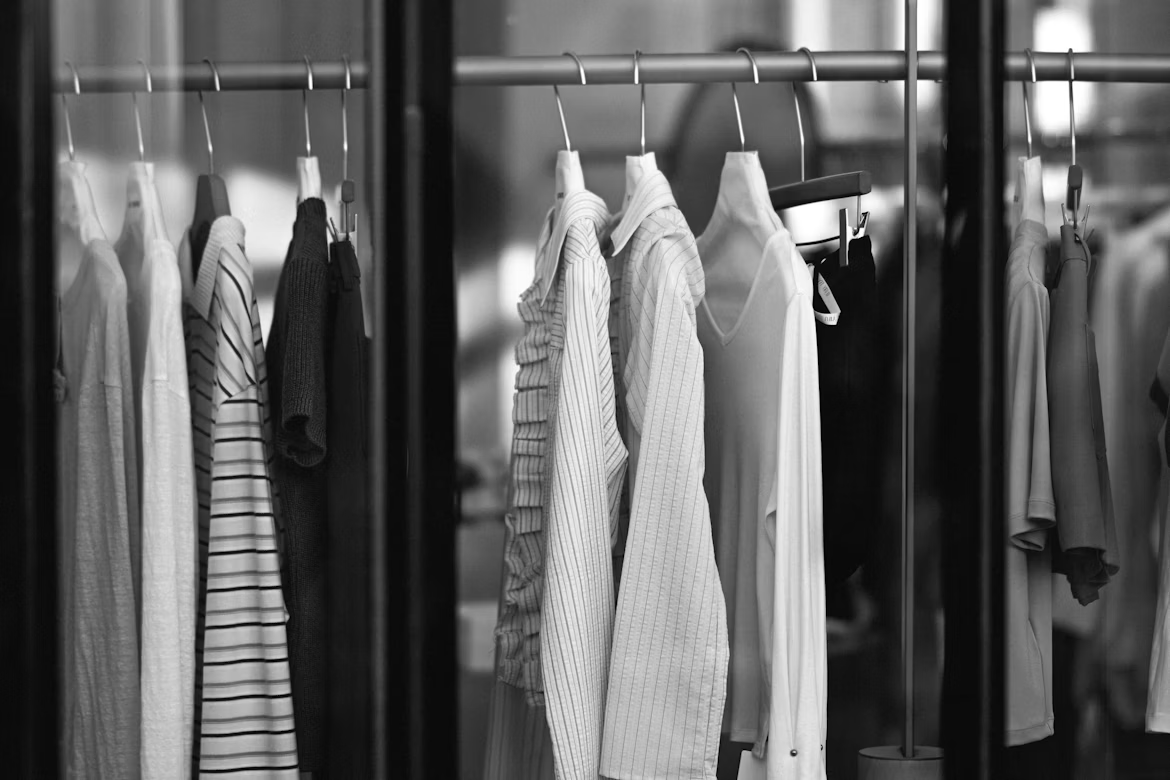
You don’t need a completely neutral wardrobe—but too many competing colors often create visual chaos.
The fix is simple: balance bold pieces with neutral anchors.
color balancing chart
| Color Type | Examples | Role in Outfit |
|---|---|---|
| Neutral base | Black, white, beige | Foundation pieces |
| Soft colors | Olive, navy, grey | Flexible mix layer |
| Accent colors | Red, mustard, teal | Small highlights |
simple rule:
If you own 10 colorful pieces, you should have at least 10 neutral ones to balance them.
budget tip:
You don’t need to buy neutrals immediately—use them in outfit combinations first to “simulate” balance.
fix 3: upgrade fit instead of replacing clothes
Fit is more important than brand, price, or trend. A cheap outfit that fits well looks better than an expensive one that doesn’t.
Small adjustments can completely transform your wardrobe:
- Rolling sleeves correctly
- Tucking shirts properly
- Shortening trousers slightly
- Using belts for structure
fit improvement checklist
| Adjustment Type | Impact Level | Cost |
|---|---|---|
| Sleeve rolling | Medium | Free |
| Shirt tuck styles | High | Free |
| Hem adjustments | Very High | Low |
| Tailoring pants | Very High | Low–Medium |
Even one small tailoring fix can make multiple outfits wearable again.
fix 4: rebuild outfits instead of buying new pieces

Most people think they need new clothes when they actually need new combinations.
Try this method:
Step 1: pick 3 tops
Step 2: pick 2 bottoms
Step 3: create as many combinations as possible
outfit combination chart
| Tops / Bottoms | Jeans | Trousers | Skirt |
|---|---|---|---|
| T-shirt | Yes | Yes | Yes |
| Shirt | Yes | Yes | Yes |
| Knit top | Yes | Yes | Yes |
From just 3 tops and 2 bottoms, you can easily create 6–9 outfits.
budget insight:
- No new purchases needed
- Maximizes existing wardrobe
- Forces creativity instead of consumption
fix 5: use layering to extend seasonal clothing
Instead of buying separate wardrobes for each season, layering allows you to reuse items year-round.
layering strategy breakdown
| Season | Base Layer | Outer Layer | Result |
|---|---|---|---|
| Summer | T-shirt | Light shirt open | Airy casual look |
| Autumn | Shirt | Light jacket | Transitional outfit |
| Winter | Thermal + shirt | Coat + scarf | Warm layered outfit |
| Spring | T-shirt + vest | Light cardigan | Balanced comfort |
Layering is one of the cheapest wardrobe expansions possible.
budget advantage:
- Reduces need for seasonal shopping
- Turns 10 items into 30+ outfit options
- Makes wardrobe flexible across weather changes
fix 6: repair and refresh instead of replacing
Small damages often make people discard perfectly usable clothes.
Instead, focus on micro-repairs:
- Replace missing buttons
- Fix loose hems
- Remove stains with targeted cleaning
- Dye faded clothes
repair impact table
| Issue | Fix Method | Cost Impact |
|---|---|---|
| Loose thread | Hand stitch | Near zero |
| Faded color | Fabric dye | Low |
| Small tear | Simple patch | Low |
| Missing button | Sewing kit | Very low |
This approach often revives 20–30% of a neglected wardrobe.
fix 7: implement a “one item, three uses” rule
Before keeping or buying anything, ensure it can be styled in at least three ways.
example:
white shirt usage:
- Formal: with trousers + blazer
- Casual: with jeans + sneakers
- Layered: open over t-shirt
versatility score table
| Item | Uses Count | Keep or Not |
|---|---|---|
| Basic t-shirt | 5+ | Keep |
| Trendy blouse | 2 | Reconsider |
| Black jeans | 6+ | Keep |
| Statement top | 3–4 | Keep |
This rule prevents wasteful spending and improves outfit efficiency.
fix 8: organize wardrobe by function, not fashion
Most people organize clothes by type (shirts, pants, etc.), but that doesn’t help when getting dressed quickly.
Instead, organize by purpose:
functional wardrobe layout
| Section | Purpose | Example Items |
|---|---|---|
| Work wear | Office or formal use | Shirts, trousers, blazers |
| Casual wear | Daily errands | Jeans, tees, hoodies |
| Event wear | Special occasions | Dresses, suits |
| Seasonal gear | Weather-specific | Jackets, coats |
When clothes are grouped by use, decision-making becomes faster and clearer.
season-proof wardrobe strategy
A smart budget wardrobe should work all year without constant changes.
season adaptability chart
| Season Transition | Key Adjustment | Result |
|---|---|---|
| Summer → Autumn | Add light jackets | Extended usability |
| Autumn → Winter | Add thermal layers | Warmth without bulk |
| Winter → Spring | Remove heavy layers | Lighter combinations |
| Spring → Summer | Simplify fabrics | Breathable outfits |
Instead of seasonal overhauls, you only adjust layers.
how much money these fixes actually save
Here’s a realistic comparison of wardrobe spending before and after applying these fixes.
budget impact chart
| Category | Before Fixes | After Fixes |
|---|---|---|
| Monthly clothing cost | High | Low |
| Seasonal shopping | Frequent | Rare |
| Impulse purchases | Common | Minimal |
| Tailoring investment | Rare | Occasional |
Over a year, this can reduce clothing spending significantly without sacrificing style.
common mistakes people make when fixing wardrobes
Even budget fixes can go wrong if done randomly.
mistake table
| Mistake | Better Approach |
|---|---|
| Buying cheap duplicates | Focus on versatility |
| Ignoring fit issues | Small tailoring improvements |
| Over-storing unused clothes | Rotate or donate regularly |
| Following trends too closely | Build core basics first |
The goal is not perfection, but consistency.
building a long-term budget wardrobe mindset
A fixed wardrobe system only works if your habits change slightly.
core mindset shifts:
- Buy less, but use more
- Repair before replacing
- Style before shopping
- Combine before consuming
If these habits become routine, wardrobe stress decreases naturally.
final thoughts
A functional wardrobe doesn’t require a big budget. It requires better structure, better use of existing clothes, and small consistent improvements over time.
Instead of trying to “fix everything at once,” focus on one or two changes from this list. Even a single improvement—like organizing by function or improving fit—can noticeably reduce daily frustration.
A good wardrobe isn’t about how much you own. It’s about how easily everything works together.
frequently asked questions
- can i fix my wardrobe without buying anything new
Yes. Most improvements come from reorganizing, repairing, and restyling existing clothes rather than purchasing new ones. - what is the fastest wardrobe fix on a tight budget
Organizing clothes by function and improving outfit combinations gives the fastest visible results. - how many clothes do i actually need
There’s no exact number, but most people can function well with a small, versatile set of 30–50 mixed items. - is tailoring worth it for budget wardrobes
Yes. Small tailoring adjustments often make inexpensive clothes look high-quality and last longer in rotation. - how do i make old clothes look new again
Try layering, restyling combinations, dyeing faded pieces, or repairing small damages. - what should i avoid when fixing a wardrobe
Avoid impulsive shopping, keeping unused clothes “just in case,” and focusing on quantity instead of versatility.