

A minimal wardrobe looks effortless from the outside, but behind that simplicity is a very deliberate system. Fashion experts don’t accidentally end up with clean closets and easy outfit choices. They build them through repeated decisions that slowly remove chaos and replace it with clarity.
What most people see as “just basics” is actually a carefully engineered structure: every piece has a role, every color has a purpose, and every outfit follows an internal logic.
These seven secrets are not theory. They are the quiet habits stylists, designers, and fashion insiders rely on to make minimal wardrobes feel both practical and elevated in real life.
secret one: they build a wardrobe like a system, not a collection
Most people shop emotionally. Fashion experts don’t. They think in systems.
A minimal wardrobe is treated like a functional ecosystem where every item must interact with others. If something doesn’t connect, it doesn’t stay.
Instead of asking “Do I like this?”, they ask:
- What role does this play?
- What does it pair with?
- Does it duplicate something I already own?
Here’s what a system-based wardrobe structure often looks like:
| Category | Purpose | % of Wardrobe |
|---|---|---|
| Basics | Daily foundation | 50–60% |
| Layering pieces | Adaptability | 20–25% |
| Statement items | Personality + contrast | 10–15% |
| Functional wear | Weather / occasion needs | 10–15% |
This structure ensures nothing is random. Every piece exists for a reason.
secret two: they prioritize silhouette over trend
Trends change constantly, but silhouette—the shape your clothes create—remains consistent.
Fashion experts often build their wardrobe around silhouettes they know work for their body and lifestyle rather than chasing seasonal styles.
Common minimal wardrobe silhouettes:
| Silhouette Type | Description | Style Effect |
|---|---|---|
| Straight fit | Clean vertical lines | Structured, modern |
| Relaxed fit | Loose but intentional | Effortless, casual |
| Tailored fit | Defined waist and shape | Sharp, polished |
| Layered fit | Multiple light layers | Depth and dimension |
Instead of asking “Is this trendy?”, experts ask:
“Does this shape consistently look good on me?”
That one question removes most unnecessary purchases.
secret three: they reduce color noise to increase outfit clarity
One of the fastest ways a wardrobe becomes overwhelming is through uncontrolled color variety.
Minimal wardrobes are not colorless—they are controlled in color.
Experts often build what is called a “restricted palette system.” This doesn’t mean boring clothes; it means intentional coordination.
Example of a minimal palette system:
| Color Type | Example Shades | Usage Frequency |
|---|---|---|
| Core neutrals | Black, white, beige, navy | Very high |
| Soft accents | Olive, dusty blue, taupe | Medium |
| Highlight tones | Rust, burgundy, mustard | Low |
This structure reduces decision fatigue because everything naturally matches.
A simplified comparison:
| Wardrobe Type | Color Count | Outfit Ease | Visual Cohesion |
|---|---|---|---|
| Chaotic palette | 10–15+ | Low | Weak |
| Balanced palette | 6–9 | Medium | Good |
| Minimal palette | 3–6 | High | Very strong |
Less color variation doesn’t reduce creativity—it increases clarity.
secret four: they repeat outfits intentionally, not accidentally
One of the biggest misconceptions about fashion experts is that they never repeat outfits. In reality, repetition is part of their strategy.
Instead of constantly creating new combinations, they refine a few reliable ones.
This is called “intentional repetition.”
Example outfit formula system:
| Base Formula | Variations |
|---|---|
| Shirt + trousers | White shirt + black trousers |
| Dress + outerwear | Midi dress + trench coat |
| Knit + denim | Beige knit + blue jeans |
| Monochrome set | All black / all beige outfits |
Experts often rotate a small number of formulas rather than reinventing outfits daily.
This reduces decision fatigue dramatically:
| Wardrobe Strategy | Daily Effort Required | Outcome Quality |
|---|---|---|
| Random styling | High | Inconsistent |
| Structured outfits | Low | Consistent |
Repetition becomes a strength, not a limitation.
secret five: they edit their wardrobe seasonally, not emotionally
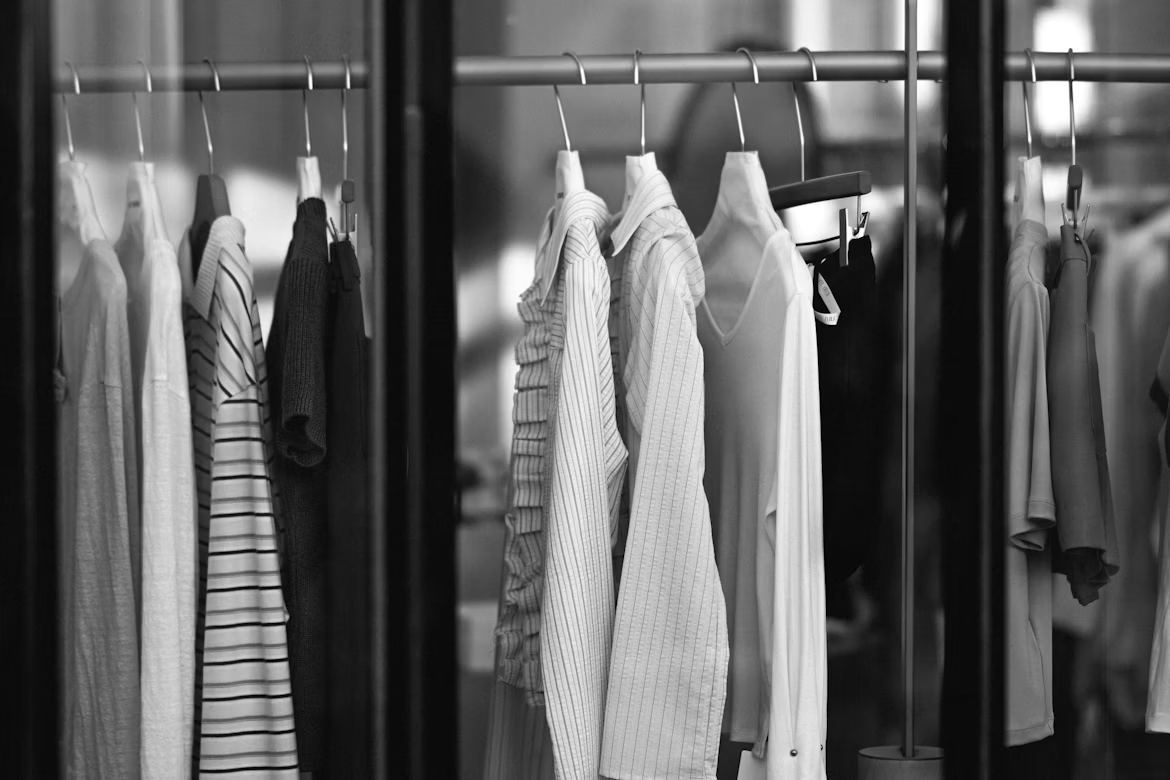
Most people declutter when they feel frustrated. Fashion experts schedule it.
A minimal wardrobe requires maintenance, not emotional purging.
They review their wardrobe in structured cycles:
| Timeframe | Action Type | Purpose |
|---|---|---|
| Every 3 months | Light review | Remove unused items |
| Every 6 months | Structural edit | Rebalance categories |
| Yearly | Full audit | Reset wardrobe direction |
They ask practical questions:
- Did I wear this in the last season?
- Does this still match my current lifestyle?
- Would I buy this again today?
This prevents clutter from slowly rebuilding itself.
secret six: they invest in “high-frequency pieces”
Minimal wardrobes are not about owning less—they are about owning better versions of what you wear most often.
Fashion experts identify “high-frequency pieces” and invest more in those categories.
Common high-frequency categories:
| Category | Reason for Frequency | Investment Priority |
|---|---|---|
| Tops | Daily visibility | High |
| Shoes | Comfort + durability | Very high |
| Outerwear | Seasonal impact | High |
| Bottoms | Repeated use | High |
| Accessories | Style variation | Medium |
A simple comparison:
| Item Type | Cheap Version Lifespan | Quality Version Lifespan |
|---|---|---|
| T-shirt | 3–6 months | 2–3 years |
| Shoes | 6–8 months | 2–4 years |
| Jeans | 6–12 months | 2–5 years |
Experts don’t spread budget evenly. They concentrate it where usage is highest.
secret seven: they design wardrobes around real life, not ideal life
This is the most overlooked secret.
Most wardrobes fail because they are built for imagined scenarios:
- imaginary parties
- hypothetical events
- unrealistic lifestyle goals
Fashion experts build wardrobes based on actual routines.
They break life into percentages:
| Lifestyle Area | Time Spent | Wardrobe Focus |
|---|---|---|
| Work / daily life | 50–70% | Primary focus |
| Casual outings | 15–25% | Secondary |
| Events | 5–15% | Minimal focus |
| Home wear | 10–20% | Comfort-based |
This alignment creates efficiency.
Example:
If someone works from home most of the time, a wardrobe full of formalwear becomes unnecessary weight.
A real-life aligned wardrobe looks like this:
| Category | Quantity Priority |
|---|---|
| Casual basics | Very high |
| Smart casual | Medium |
| Formal wear | Low |
| Lounge wear | Medium-high |
When wardrobe matches reality, everything gets used.
how these seven secrets work together
Each secret solves a different layer of wardrobe complexity. But together, they create a complete system.
| Secret Focus | Problem Solved | Result Outcome |
|---|---|---|
| System thinking | Random buying | Structure |
| Silhouette focus | Trend confusion | Consistency |
| Color control | Outfit mismatch | Harmony |
| Repetition strategy | Decision overload | Efficiency |
| Seasonal editing | Closet clutter | Clarity |
| High-frequency investment | Wasteful spending | Value optimization |
| Real-life design | Unrealistic wardrobe | Practical usability |
When combined, they shift wardrobe behavior from emotional to intentional.
what minimal wardrobe experts quietly understand
Behind all these secrets is one underlying principle:
A wardrobe is not a collection of clothes. It is a decision system.
Every piece either reduces effort or increases it.
Experts consistently choose reduction of effort.
faq section
- how many clothes do minimal wardrobe experts actually own?
Most experts maintain between 30 and 60 core clothing items depending on lifestyle, climate, and profession. The focus is not quantity but usability.
- do minimal wardrobes mean wearing the same outfits all the time?
Yes, to a degree—but intentionally. Experts rely on outfit formulas that are repeated and refined rather than constantly reinvented.
- is a minimal wardrobe expensive to build?
Not necessarily. It can cost less over time because fewer, higher-quality purchases replace constant low-quality buying.
- what is the biggest mistake people make when going minimal?
They remove too much too quickly without understanding what they actually wear regularly, leading to frustration and rebuying.
- can minimal wardrobes still be stylish?
Yes. Style often becomes clearer in minimal wardrobes because every piece has more impact and visibility.
- how long does it take to build a functional minimal wardrobe?
On average, 3 to 12 months of gradual refinement is enough to build a stable system, depending on starting point and discipline.