

There’s something quietly satisfying about standing in front of your wardrobe and knowing everything inside it belongs to the current moment. Not just in style, but in weather, mood, and daily life. Seasonal wardrobe swaps aren’t about chasing trends or buying more clothes—they’re about refining what you already own so it works better for you.
For years, I used to treat my closet like a storage unit. Summer dresses crammed next to winter coats, sweaters hidden under piles of unused pieces, and outfits that technically worked but never felt right. It wasn’t until I started making small, intentional swaps each season that everything changed. Getting dressed became easier. My clothes lasted longer. And most importantly, I actually enjoyed what I wore.
This guide walks through seven easy seasonal wardrobe swaps that are simple, practical, and surprisingly impactful. You won’t need a full closet overhaul—just a thoughtful approach.
Swap 1: Heavy Fabrics for Breathable Alternatives
When the temperature shifts, your fabric choices should follow. One of the easiest and most effective wardrobe swaps is simply replacing heavy materials with lighter ones—or vice versa.
In colder months, fabrics like wool, cashmere, and thick knits dominate. They trap heat and provide insulation. But as the weather warms, these same fabrics become uncomfortable, even if the outfit itself looks fine.
What to swap:
- Wool sweaters → Cotton or linen tops
- Thick denim → Lightweight denim or chambray
- Polyester blends → Natural fibers like cotton or bamboo
Why it works:
Breathable fabrics allow airflow, reduce sweat, and feel softer on the skin. They also tend to look more relaxed, which aligns with spring and summer aesthetics.
Fabric Comparison Table
| Fabric Type | Best Season | Breathability | Weight | Comfort Level |
|---|---|---|---|---|
| Wool | Winter | Low | Heavy | High (warm) |
| Cashmere | Winter | Medium | Medium | Very High |
| Cotton | Spring/Summer | High | Light | High |
| Linen | Summer | Very High | Very Light | Very High |
| Polyester | All-season | Low | Varies | Medium |
A small tip: don’t store away transitional fabrics like light knits. They’re perfect for unpredictable weather.
Swap 2: Dark Palettes for Light and Neutral Shades
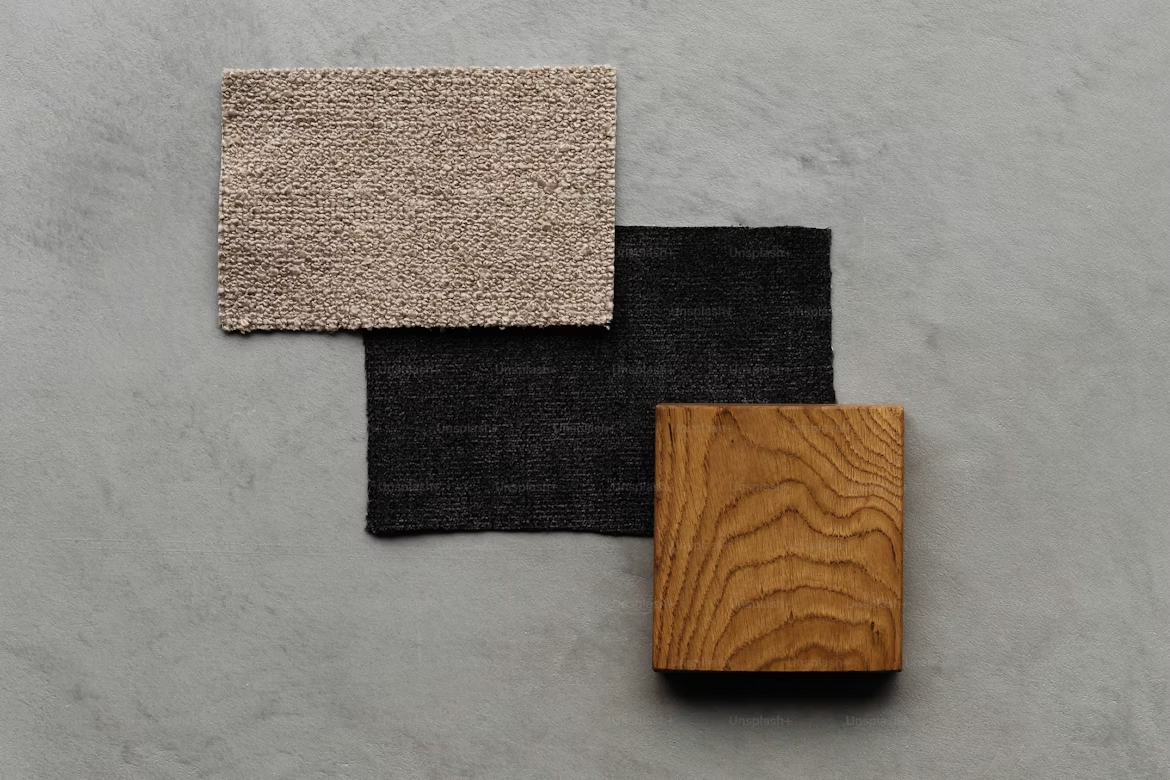
Color has a subtle but powerful effect on how your wardrobe feels. Winter often leans toward darker tones—black, navy, charcoal—while warmer seasons invite lighter, softer shades.
This doesn’t mean abandoning your favorite colors. It just means adjusting the balance.
What to swap:
- Black tops → White, beige, or pastel tones
- Dark denim → Light-wash jeans
- Deep jewel tones → Soft earthy or muted hues
Why it works:
Lighter colors reflect heat and visually align with longer days and brighter environments. They also make outfits feel less heavy, even if the pieces are similar in structure.
Color Transition Chart
| Season | Dominant Colors | Accent Colors |
|---|---|---|
| Winter | Black, Navy, Grey | Burgundy, Emerald |
| Spring | Beige, White, Blush | Lavender, Mint |
| Summer | White, Cream, Sky Blue | Coral, Yellow |
| Autumn | Brown, Olive, Rust | Mustard, Deep Orange |
You don’t need to replace everything. Even swapping one key piece—like a top or outer layer—can shift the entire outfit.
Swap 3: Boots for Lighter Footwear
Footwear often gets overlooked during seasonal transitions, but it plays a huge role in comfort and overall outfit feel.
In colder months, boots are practical and stylish. But once temperatures rise, they can feel bulky and restrictive.
What to swap:
- Ankle boots → Sneakers or loafers
- Knee-high boots → Sandals or flats
- Heavy leather shoes → Canvas or breathable materials
Why it works:
Lighter footwear improves mobility, reduces heat buildup, and pairs better with seasonal outfits like dresses and cropped pants.
Footwear Comparison Table
| Type of Shoe | Best Season | Breathability | Weight | Style Versatility |
|---|---|---|---|---|
| Boots | Winter | Low | Heavy | Medium |
| Sneakers | All-season | Medium | Light | High |
| Sandals | Summer | High | Very Light | Medium |
| Loafers | Spring/Fall | Medium | Light | High |
A practical tip: rotate your shoes gradually instead of switching all at once. Weather can be unpredictable.
Swap 4: Layered Outfits for Simpler Combinations
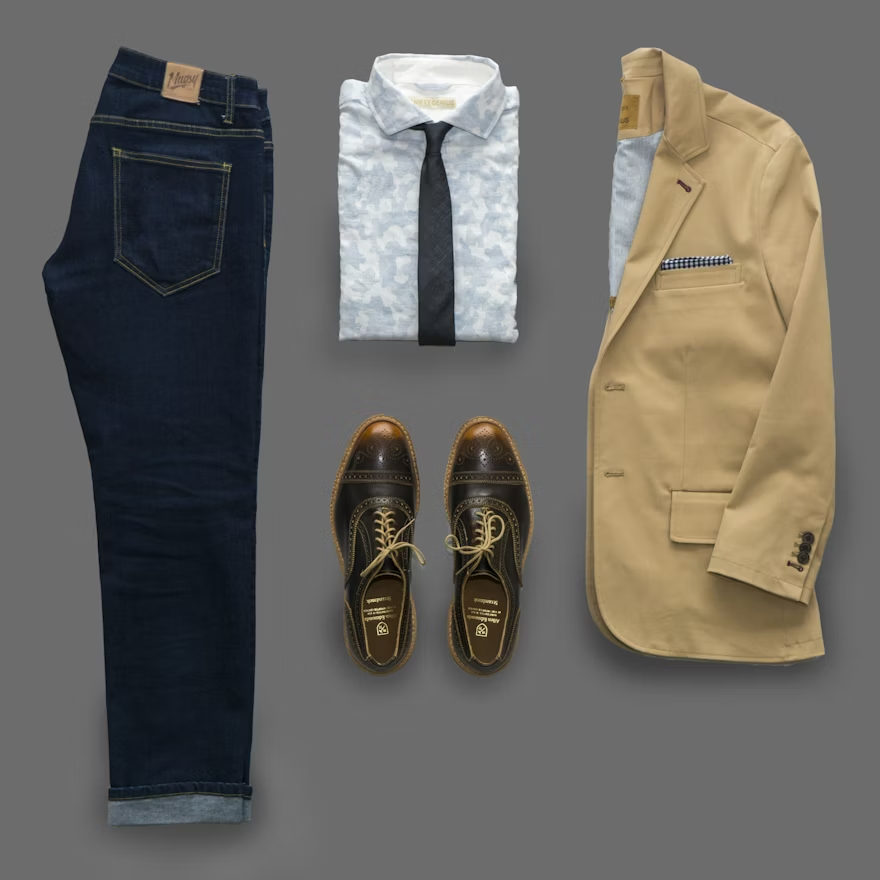
Layering is essential in colder months, but it can quickly become unnecessary as temperatures rise.
Instead of stacking multiple pieces, shift toward simpler combinations that still feel complete.
What to swap:
- Three-layer outfits → One or two-piece combinations
- Heavy jackets → Lightweight outerwear or none
- Scarves and accessories → Minimal accents
Why it works:
Simpler outfits reduce decision fatigue and keep you comfortable. They also highlight individual pieces rather than hiding them under layers.
Layering Reduction Example
| Winter Outfit | Spring/Summer Version |
|---|---|
| Sweater + Shirt + Coat | Lightweight Top + Cardigan |
| Turtleneck + Blazer | Short-sleeve Blouse |
| Hoodie + Jacket | Cotton Tee |
You don’t lose style—you just express it differently.
Swap 5: Structured Pieces for Relaxed Silhouettes
Seasonal changes aren’t just about temperature—they’re about how clothes move and feel.
Winter wardrobes often include structured items like tailored coats, fitted trousers, and stiff fabrics. As the weather warms, relaxed silhouettes become more appealing.
What to swap:
- Tailored pants → Loose trousers or linen pants
- Fitted blazers → Soft cardigans or unstructured jackets
- Tight tops → Flowy or oversized alternatives
Why it works:
Relaxed silhouettes allow airflow, increase comfort, and create a more effortless look.
Silhouette Comparison Chart
| Feature | Structured Fit | Relaxed Fit |
|---|---|---|
| Movement | Limited | თავისუფ |
| Comfort | Medium | High |
| Airflow | Low | High |
| Style Impression | Formal | Casual/Effortless |
A balanced approach works best. You don’t need to eliminate structure—just soften it.
Swap 6: Seasonal Accessories Refresh
Accessories often stay the same year-round, but they shouldn’t. Swapping a few small items can completely change how your wardrobe feels.
What to swap:
- Thick scarves → Lightweight scarves or none
- Leather bags → Canvas or woven bags
- Dark belts → Neutral or lighter tones
Why it works:
Accessories act as visual anchors. Changing them shifts the tone of your entire outfit without requiring major changes.
Accessory Transition Table
| Accessory Type | Winter Version | Summer Version |
|---|---|---|
| Scarf | Wool | Cotton/Silk |
| Bag | Leather | Canvas/Straw |
| Hat | Beanie | Cap or Sun Hat |
| Jewelry | Heavy metals | Minimal/light pieces |
This is one of the easiest swaps because it doesn’t require a full wardrobe adjustment.
Swap 7: Storage Rotation and Visibility Reset
Sometimes the problem isn’t what you own—it’s what you can see.
Seasonal swaps are the perfect time to reorganize your wardrobe so that current-season items are front and center.
What to do:
- Move off-season clothes to storage
- Bring current items into easy reach
- Reassess what you didn’t wear last season
Why it works:
Visibility influences usage. If you can’t see it, you won’t wear it.
Closet Rotation Checklist
| Task | Frequency | Benefit |
|---|---|---|
| Store off-season clothes | Twice a year | Reduces clutter |
| Reorganize visible items | Every season | Improves outfit creation |
| Donate unused pieces | Annually | Simplifies wardrobe |
This step ties everything together. Without it, even the best swaps lose impact.
How These Swaps Work Together
Each of these changes might seem small on its own, but together they create a noticeable shift. Your wardrobe becomes lighter, more functional, and easier to navigate.
Here’s a simplified overview:
| Swap Category | Impact Level | Effort Required |
|---|---|---|
| Fabric Change | High | Low |
| Color Adjustment | Medium | Low |
| Footwear Switch | High | Medium |
| Layer Reduction | High | Low |
| Silhouette Change | Medium | Medium |
| Accessories Update | Low | Very Low |
| Closet Rotation | High | Medium |
You don’t need to do everything at once. Even starting with one or two swaps can make a difference.
A Note on Buying vs. Swapping
It’s tempting to treat seasonal transitions as an excuse to shop. But most of the time, you already own what you need.
Before buying anything new:
- Revisit last year’s seasonal items
- Try new combinations with existing pieces
- Identify gaps only after reorganizing
This approach saves money and reduces clutter.
FAQs
- How often should I do a seasonal wardrobe swap?
Twice a year is usually enough—once before warmer months and once before colder months. You can also do smaller adjustments in between if needed. - Do I need a large wardrobe to make these swaps effective?
Not at all. In fact, smaller wardrobes often benefit more because each piece plays a more important role. - What if my climate doesn’t have strong seasonal changes?
Focus on subtle swaps like fabric weight, color shifts, and accessories. You don’t need dramatic changes for the system to work. - How do I store off-season clothes properly?
Use breathable storage bags or containers, keep them in a dry place, and avoid overpacking to prevent wrinkles and damage. - Should I get rid of clothes I didn’t wear last season?
Not immediately. Try them again in the current season. If they still don’t work, it may be time to donate or repurpose them. - Can I still follow trends while doing seasonal swaps?
Yes, but treat trends as optional additions rather than replacements. Your core wardrobe should remain consistent and functional.