
There’s a common belief that improving your wardrobe requires a full closet overhaul, a big budget, or a sudden shift in personal style. In reality, most noticeable improvements come from small, fast, and intentional upgrades to everyday basics. These are the pieces you already rely on—T-shirts, shirts, jeans, jackets, and shoes—but refined in ways that improve fit, function, and visual impact.
This article breaks down eight practical upgrades anyone can apply without needing to replace everything they own. The focus is on real-world adjustments that make outfits look sharper, more intentional, and more versatile.
You’ll also find tables and charts that simplify decision-making and help you apply these ideas immediately.
- Upgrade Fit Before You Upgrade Style
Fit is the foundation of every good outfit. Even expensive clothing looks average when the fit is off, while well-fitted basics instantly elevate appearance.
Most people overlook fit because it feels subtle, but it’s the single most visible improvement you can make.
Key areas to adjust:
- Shoulder alignment on shirts and jackets
- Sleeve length (should end at wrist bone)
- Trouser break (how pants fall on shoes)
Fit Impact Table:
| Fit Area | Poor Fit Effect | Proper Fit Effect |
|---|---|---|
| Shoulders | Sloppy silhouette | Structured frame |
| Sleeves | Untidy appearance | Clean finish |
| Pants length | Bunching at ankles | Sharp line over shoes |
Even small tailoring adjustments (like shortening sleeves or tapering pants) can dramatically improve basics without changing your wardrobe.
- Replace Thin, Worn-Out Basics Strategically
Not every item needs to be replaced at once. Instead, focus on high-visibility basics that have lost structure.
Common weak points:
- Stretchy collars on T-shirts
- Faded black clothing turning grey
- Thin denim losing shape
Replacement Priority Chart:
| Item Type | Priority Level | Reason |
| T-shirts | High | Most visible daily item |
| Jeans | High | Defines overall silhouette |
| Shirts | Medium | Office/casual balance |
| Jackets | Medium | Outer impression |
| Accessories | Low | Secondary visual impact |
You don’t need more clothes—you need sharper versions of the ones you already wear often.
- Upgrade Fabric Quality Without Changing Style
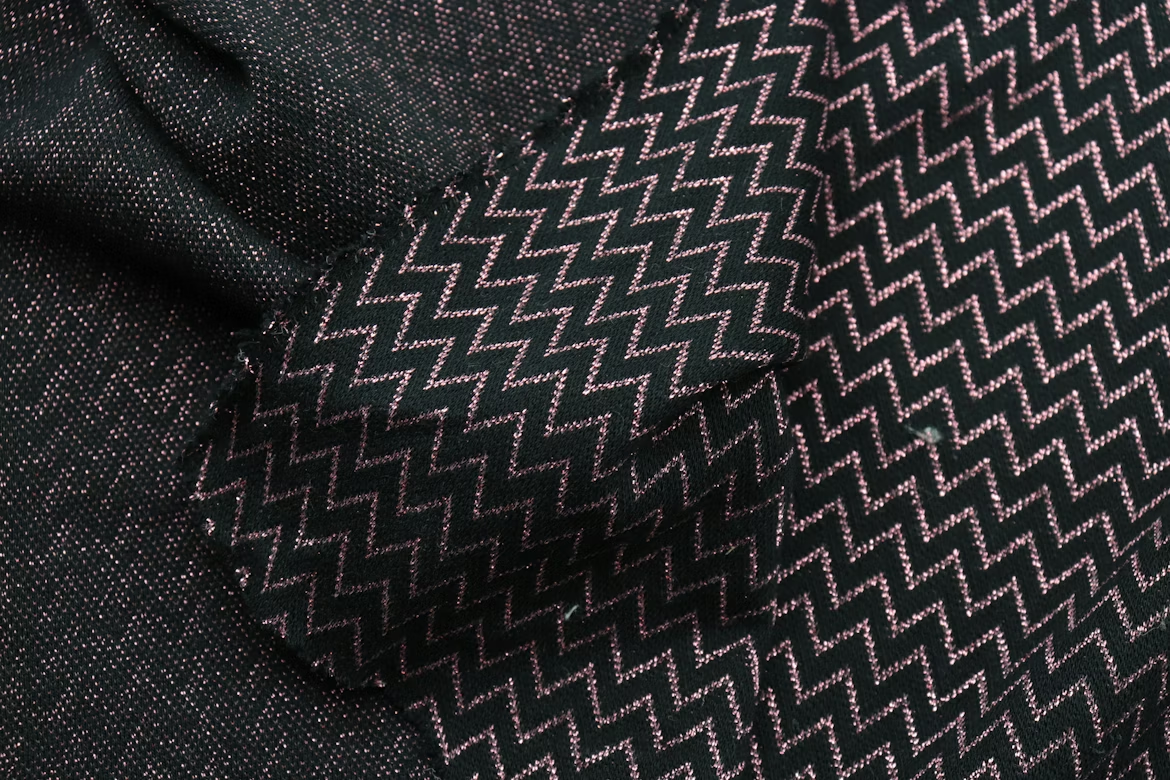
Fabric choice affects how clothing drapes, feels, and lasts. Two identical T-shirts can look completely different depending on material quality.
Better fabric doesn’t always mean expensive luxury items—it means choosing materials that hold shape and age well.
Fabric Upgrade Table:
| Basic Fabric | Better Upgrade Option | Improvement Type |
| Thin cotton | Heavyweight cotton | Structure & durability |
| Polyester mix | Cotton-poly blend | Breathability balance |
| Cheap denim | Raw or mid-weight | Shape retention |
| Basic knit | Ribbed knit | Visual texture |
A stronger fabric improves even the simplest outfit instantly.
- Neutralize Your Base Colors for Flexibility
Wardrobe basics work best when they are easy to combine. Neutral colors create flexibility and reduce decision fatigue.
Instead of chasing trends, building a neutral foundation allows you to mix pieces without thinking too much.
Core neutral palette:
- White
- Black
- Grey
- Navy
- Beige
Color Flexibility Chart:
| Base Color | Works With Most Colors | Style Outcome |
| Black | High | Sharp, modern |
| White | Very high | Clean, minimal |
| Grey | High | Balanced, soft |
| Navy | High | Smart casual |
| Beige | Medium-high | Warm, relaxed |
Neutral basics reduce outfit mistakes and increase repeat usability.
- Improve Layering Compatibility of Basics
Basics should not be standalone pieces only—they should also function in layers.
A good upgrade is ensuring your basics work both alone and under other clothing without bulk or distortion.
Layer Compatibility Checklist:
- Does the T-shirt fit comfortably under a shirt?
- Does the shirt sit well under a jacket?
- Do layers avoid bunching at shoulders?
Layering Compatibility Table:
| Item Type | Layer Friendly? | Common Issue |
| Slim T-shirt | Yes | None if well-fitted |
| Thick hoodie | No | Bulk under jackets |
| Oxford shirt | Yes | Collar stiffness |
| Oversized tee | Partial | Bunching under layers |
The goal is flexibility across seasons, not just standalone style.
- Upgrade Footwear Before Expanding Clothing
Shoes are often overlooked in wardrobe upgrades, yet they define overall outfit perception more than most clothing items.
Even basic jeans and T-shirt combinations look elevated with better footwear.
Footwear Upgrade Chart:
| Basic Shoe Type | Upgrade Option | Visual Impact |
| Worn sneakers | Clean white sneakers | Instant refresh |
| Cheap loafers | Structured loafers | Smart casual upgrade |
| Old boots | Leather boots | Rugged refinement |
Shoes often determine whether an outfit looks intentional or careless.
- Introduce Subtle Texture Variation
A flat wardrobe feels repetitive even if colors are fine. Texture adds depth without changing color palette.
Examples:
- Cotton + denim
- Knit + leather
- Linen + canvas
Texture Balance Table:
| Combination | Effect |
| Cotton + denim | Casual depth |
| Wool + cotton | Seasonal balance |
| Leather + knit | Structured contrast |
| Linen + denim | Light seasonal mix |
Too much texture uniformity can make outfits feel dull, even if everything fits well.
- Maintain Basics Like a System, Not Items
The final upgrade is mindset: treating your wardrobe like a system rather than separate clothes.
Maintenance habits:
- Rotate basics to reduce wear
- Wash fabrics according to material type
- Store items to preserve shape
Wardrobe Maintenance Chart:
| Habit | Result |
| Proper washing | Longer fabric life |
| Rotation system | Even wear distribution |
| Proper storage | Maintains structure |
Well-maintained basics look newer for longer, reducing the need for frequent replacements.
Putting It All Together
Wardrobe upgrades don’t need to be dramatic. The most effective changes are often invisible individually but powerful collectively. Better fit, better fabric, smarter colors, and improved maintenance all compound over time.
Summary Table:
| Upgrade Area | Main Benefit |
| Fit | Immediate visual upgrade |
| Replacement | Removes weak items |
| Fabric | Durability + structure |
| Color palette | Versatility |
| Layering | Seasonal flexibility |
| Footwear | Strong visual anchor |
| Texture | Depth and interest |
| Maintenance | Long-term consistency |
FAQs
- Do I need to buy new clothes for wardrobe upgrades?
Not always. Many improvements come from tailoring, better maintenance, and smarter styling of existing clothes.
- What is the fastest wardrobe upgrade I can do?
Improving fit through tailoring or simple adjustments provides the fastest visible change.
- How many basic colors should I stick to?
A core set of 4–5 neutral colors is enough for a highly flexible wardrobe.
- Are expensive clothes necessary for better style?
No. Fit, cleanliness, and coordination matter more than price.
- How often should I replace basics like T-shirts and jeans?
Replace them when fabric loses structure or visible wear affects appearance, not on a strict timeline.
- Can footwear really change my outfit that much?
Yes. Shoes strongly influence how polished or casual your outfit appears overall.