
At one point, I thought I had clothing figured out. I owned enough pieces, followed trends loosely, and assumed that style was mostly about buying better items. But despite having a full closet, I still had mornings where nothing felt right. Outfits looked fine individually but didn’t work together. I was constantly buying new pieces while ignoring the foundation that actually makes a wardrobe functional.
The real problem wasn’t the lack of clothes. It was ignoring the basics that quietly hold everything together.
Once I started paying attention to them, my entire approach to dressing changed. I stopped overbuying, reduced decision fatigue, and finally felt like my wardrobe made sense.
Here are the 11 wardrobe basics I ignored for years—and why that was a big mistake.
- neutral basics are not boring—they are the foundation
For a long time, I avoided neutral clothing because I thought it looked plain. I preferred statement pieces, bold prints, and seasonal colors. The problem? Nothing matched.
Neutral basics are what allow everything else to work.
Examples include:
- plain white t-shirts
- black and grey tops
- beige or navy trousers
- simple tank tops
Without them, every outfit becomes a “special occasion” outfit with nowhere to go.
Table: impact of neutral basics on outfit versatility
| Wardrobe Type | Outfit Combinations | Daily Ease |
|---|---|---|
| Heavy prints only | Low | Difficult |
| Mixed with neutrals | High | Easy |
| Mostly neutrals | Very high | Very easy |
Once I built a neutral base, everything else started working around it instead of competing with it.
- fit matters more than quantity
I used to think having more clothes meant better style. So I bought frequently without paying attention to fit. That was a mistake.
A well-fitting basic beats an expensive ill-fitting piece every time.
Key fit issues I ignored:
- shoulder seams too wide
- pants too long or too tight
- shirts too loose in the wrong places
Comparison table:
| Fit Quality | Appearance | Confidence |
|---|---|---|
| Poor fit | Messy | Low |
| Average fit | Acceptable | Medium |
| Good fit | Sharp | High |
Once I started prioritizing fit, even simple outfits looked intentional.
- layering pieces are not optional
I used to think layering was only for cold weather. That limited my outfit combinations significantly.
Layering basics include:
- lightweight shirts
- cardigans
- denim jackets
- hoodies
- overshirts
They help transition outfits across seasons and temperatures.
Layering usefulness chart:
| Season | Without Layers | With Layers |
|---|---|---|
| Summer | Simple only | Flexible |
| Spring | Limited | Versatile |
| Autumn | Basic | Adaptive |
| Winter | Necessary | Essential |
Layering turned a small wardrobe into a flexible system.
- quality shoes change everything
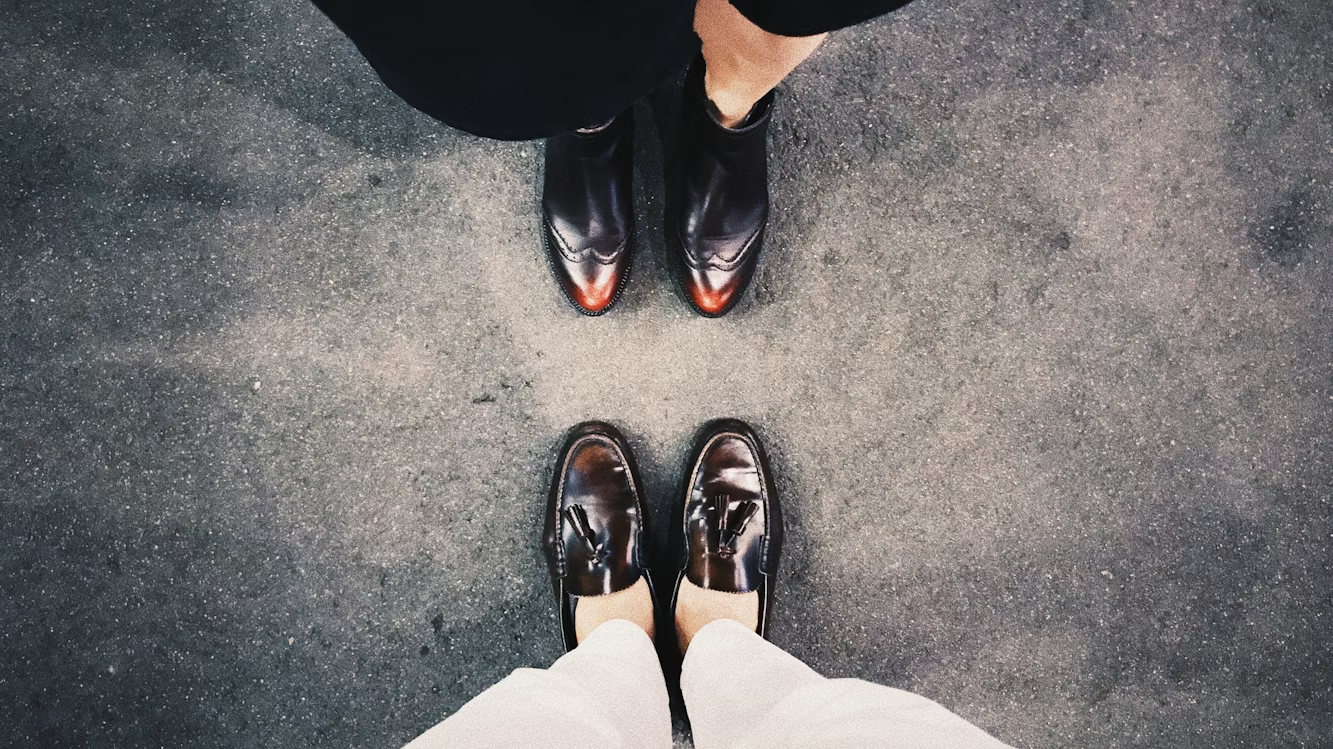
For years, I underestimated shoes. I focused on clothes and treated shoes as an afterthought.
That was a mistake.
Shoes affect:
- posture
- outfit balance
- overall impression
- comfort throughout the day
Basic shoe categories I now consider essential:
| Shoe Type | Purpose | Frequency of Use |
|---|---|---|
| Sneakers | Daily wear | Very high |
| Boots | Cold/weather outfits | Medium |
| Casual slip-ons | Quick outfits | Medium |
| Formal shoes | Events | Low |
A strong shoe rotation instantly improves any outfit.
- fabric quality is more important than style
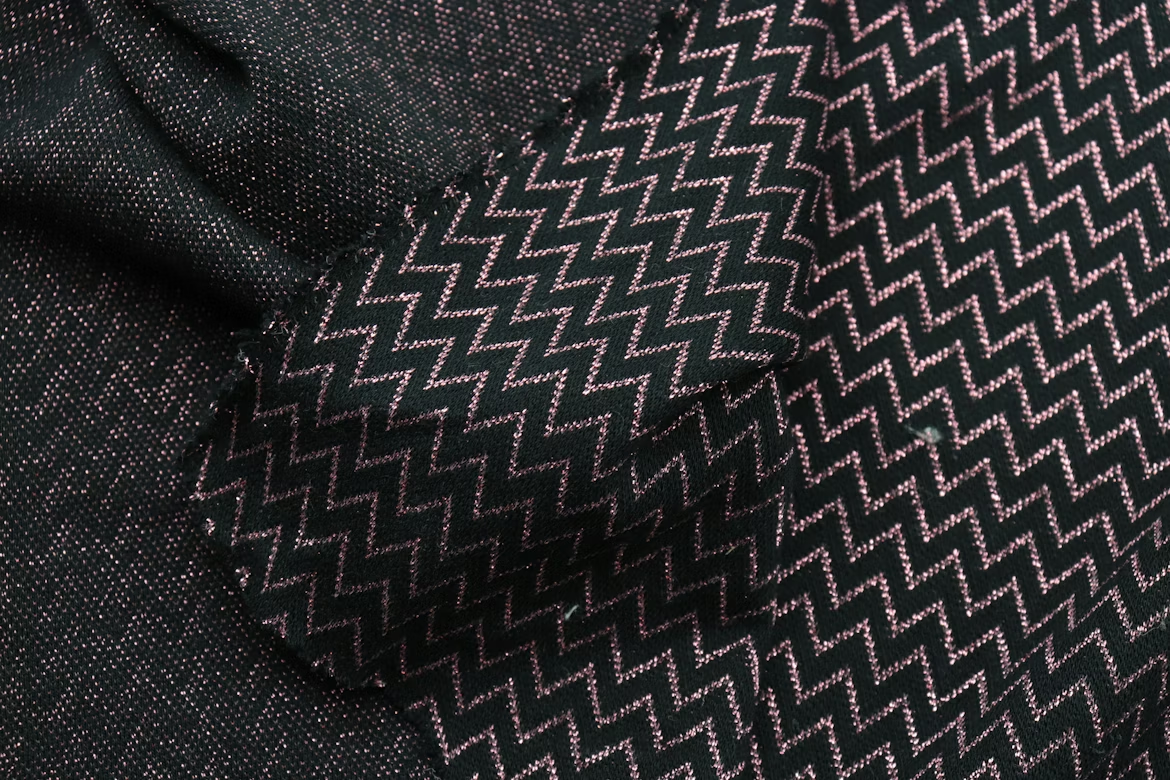
I used to buy clothes based on appearance only. But cheap fabric always reveals itself after a few washes.
Key fabric issues I ignored:
- excessive shrinkage
- fading colors
- poor breathability
- uncomfortable texture
Fabric comparison:
| Fabric Type | Comfort | Durability | Season Use |
|---|---|---|---|
| Cotton | High | Medium | All seasons |
| Polyester blends | Medium | High | Variable |
| Linen | High | Medium | Summer |
| Wool | High | High | Winter |
Once I started checking fabric first, my wardrobe lasted longer and felt better.
- basic tees are not all the same
I used to think a t-shirt was just a t-shirt. So I bought whatever was cheap.
But basic tees vary in:
- neckline shape
- thickness
- stitching quality
- length
Even small differences affect how an outfit looks.
T-shirt breakdown:
| Type | Best Use | Result |
|---|---|---|
| Slim fit | Layering | Clean look |
| Regular fit | Everyday | Balanced |
| Heavy cotton | Standalone | Structured |
Good basics reduce styling effort dramatically.
- color coordination is a hidden skill
I ignored color coordination for years. I thought mixing random colors would create variety.
Instead, it created inconsistency.
A structured color system works better.
Simple palette structure:
| Color Role | Examples | Usage |
|---|---|---|
| Base colors | Black, white, grey | 60–70% wardrobe |
| Secondary colors | Navy, beige | 20–30% wardrobe |
| Accent colors | Olive, burgundy | 10% wardrobe |
Once I followed this, outfits started looking more intentional without effort.
- underwear and undershirts matter more than expected
This is one of the most overlooked basics.
Poor underlayers affect:
- comfort
- sweat control
- outerwear appearance
I used to ignore this completely.
Now I prioritize:
- breathable fabrics
- proper sizing
- neutral colors
Underlayer importance table:
| Category | Effect on Comfort | Visibility Impact |
|---|---|---|
| Quality undershirt | High | Medium |
| Poor fabric | Low | High (bad lines) |
| Proper fit | High | Low |
Small change, big difference in daily comfort.
- seasonal rotation prevents wardrobe overload
I used to keep everything in my closet all year. That made it harder to see what I actually needed.
Now I rotate seasonally.
Simple system:
| Season | Stored Items | Active Items |
|---|---|---|
| Summer | Knits, heavy jackets | Light clothing |
| Winter | Shorts, linen | Warm layers |
| Spring | Heavy coats | Transitional wear |
| Autumn | Summer pieces | Layered outfits |
This reduces clutter and improves clarity.
- basics need repetition, not variety
I used to believe repetition was boring. So I avoided buying multiple similar items.
That was a mistake.
Repetition is what makes a wardrobe functional.
Example:
- 3 white t-shirts
- 2 black jeans
- 2 neutral hoodies
Repetition table:
| Item Type | Ideal Quantity | Purpose |
|---|---|---|
| Basic tees | 3–6 | Daily rotation |
| Jeans | 2–4 | Durability |
| Hoodies | 2–3 | Comfort |
This ensures consistency and reduces laundry pressure.
- maintenance is part of the wardrobe system
I ignored maintenance completely. Clothes were either worn or forgotten.
Now I treat maintenance as essential:
- washing properly
- repairing small damage
- storing correctly
- rotating usage
Maintenance impact chart:
| Maintenance Level | Clothing Lifespan | Appearance Quality |
|---|---|---|
| Low | Short | Poor |
| Medium | Average | Good |
| High | Long | Excellent |
Proper care extends wardrobe life significantly.
overall transformation after fixing basics
Once I stopped ignoring these basics, everything became simpler.
Before vs after:
| Area | Before | After |
|---|---|---|
| Outfit decisions | Confusing | Simple |
| Shopping habits | Impulsive | Controlled |
| Wardrobe usage | Low efficiency | High efficiency |
| Spending | High | Reduced |
The biggest realization: style is built on structure, not just clothing.
quick wardrobe basics checklist
| Category | Must-Have Basic |
|---|---|
| Tops | Neutral t-shirts, shirts |
| Bottoms | Well-fitted jeans, chinos |
| Layers | Jacket, hoodie, cardigan |
| Shoes | Sneakers, boots |
| Essentials | Undershirts, socks |
frequently asked questions
- why are wardrobe basics so important?
Because they form the foundation of every outfit. Without them, styling becomes inconsistent and harder to manage. - how many basics should a wardrobe have?
There’s no fixed number, but most functional wardrobes rely on 20–40 core basic items depending on lifestyle. - can basics still look stylish?
Yes. Fit, fabric, and coordination make basics look modern and intentional. - how often should wardrobe basics be replaced?
Only when they lose shape, comfort, or durability. Good basics can last years. - what’s the most important wardrobe basic?
Neutral, well-fitting tops are usually the most versatile and essential. - how do I start improving my basics first?
Begin by auditing what you already wear most often and replace low-quality versions with better-fitting, durable alternatives.