

There’s a quiet frustration many people feel when standing in front of a full closet and still thinking, “I have nothing to wear.” It’s rarely about lacking clothes. More often, it’s about not knowing how to adapt what you already own to the changing rhythm of seasons. Style, when done well, isn’t complicated—it’s responsive. It shifts with temperature, light, mood, and practicality.
Over time, I’ve noticed that the most effortlessly stylish people don’t overhaul their wardrobe every few months. Instead, they rely on a handful of smart seasonal adjustments that instantly elevate their appearance. These are not dramatic changes. They are subtle, intentional tweaks that create the illusion of effortlessness.
This article breaks down seven practical seasonal wardrobe secrets that can help you look polished quickly, without overthinking or overspending. Along the way, you’ll find tables and structured insights to make these ideas actionable rather than abstract.
Secret 1: Build Around Seasonal Anchor Pieces
Every season has a few “anchor” items that define the overall feel of your outfit. These are not just staples—they are visual signals that immediately align your look with the current weather and mood.
In winter, a structured coat becomes your anchor. In summer, it might be a breathable linen shirt. During autumn, textured layers like knitwear dominate, while spring leans toward light jackets and soft fabrics.
The key is to identify 2–3 anchor pieces per season and build everything else around them.
Seasonal Anchor Reference Table
| Season | Anchor Pieces | Styling Impact | Time to Assemble Outfit |
|---|---|---|---|
| Winter | Wool coat, boots, scarf | Structured, warm, polished | 3–5 minutes |
| Spring | Light jacket, chinos | Fresh, clean, relaxed | 2–4 minutes |
| Summer | Linen shirt, loafers | Airy, minimal, effortless | 1–3 minutes |
| Autumn | Knit sweater, leather jacket | Textured, layered, rich | 3–5 minutes |
Instead of reinventing your look every morning, you start with your anchor piece and fill in the rest. This dramatically reduces decision fatigue and ensures cohesion.
Secret 2: Master the “Three-Layer Rule” (Adapted by Season)
Layering isn’t just for cold weather. It’s a styling principle that works year-round—only the weight and function of layers change.
The classic three-layer rule involves:
- A base layer (comfort)
- A mid layer (visual interest)
- An outer layer (structure)
In summer, this might translate to a t-shirt, an open shirt, and lightweight accessories rather than heavy garments.
Layering Adaptation Chart
| Season | Base Layer | Mid Layer | Outer Layer |
|---|---|---|---|
| Winter | Thermal top | Sweater | Heavy coat |
| Spring | Cotton tee | Shirt or cardigan | Light jacket |
| Summer | Tank or tee | Open shirt | Optional (very light) |
| Autumn | Long-sleeve tee | Knitwear | Jacket or coat |
The benefit of this system is speed. Once you internalize it, assembling an outfit becomes almost automatic.
Secret 3: Rotate Fabrics, Not Just Clothes
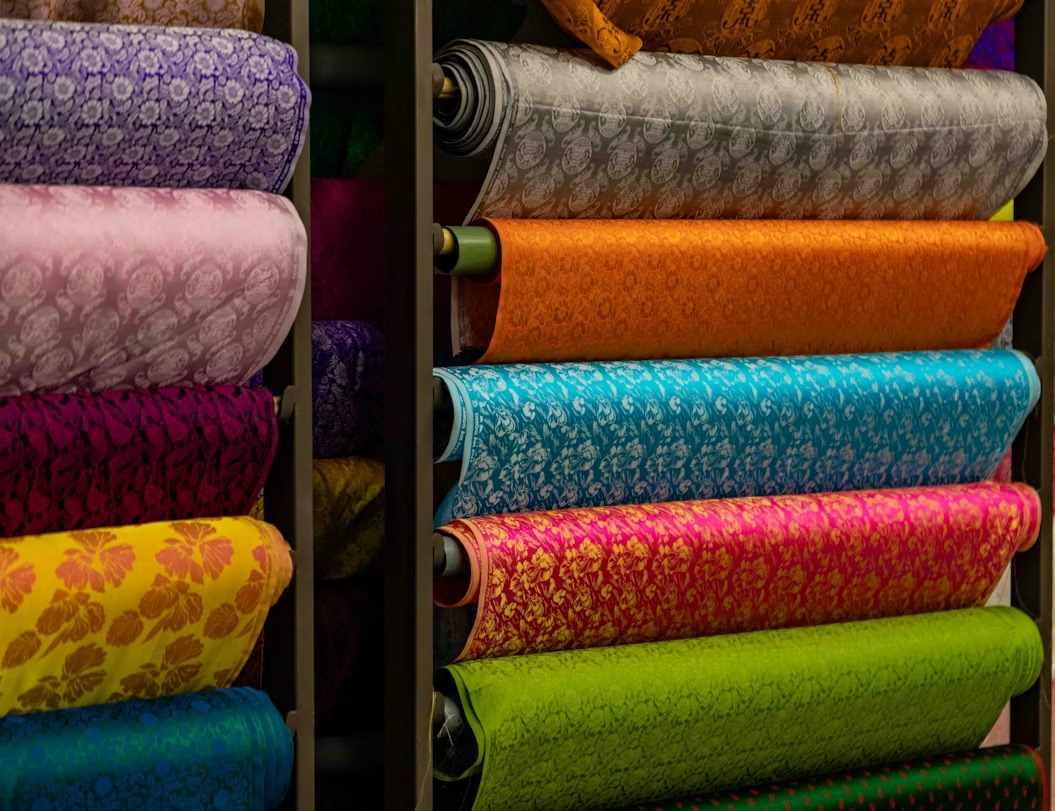
Many people think seasonal dressing means swapping entire outfits. In reality, fabric choice matters more than the garment itself.
A white shirt, for example, can exist in multiple seasonal forms:
- Linen (summer)
- Cotton (spring)
- Flannel (autumn)
- Heavy oxford (winter)
Fabric Function Comparison Table
| Fabric Type | Breathability | Warmth | Best Season | Style Effect |
|---|---|---|---|---|
| Linen | High | Low | Summer | Relaxed, airy |
| Cotton | Medium | Medium | Spring | Clean, versatile |
| Wool | Low | High | Winter | Structured, warm |
| Flannel | Low | Medium | Autumn | Cozy, textured |
By focusing on fabric rotation, you can maintain a consistent personal style while still adapting to seasonal needs. This reduces the need for excessive shopping and keeps your wardrobe cohesive.
Secret 4: Use Color Shifts to Signal Season Instantly
Color is one of the fastest ways to communicate seasonal awareness. Even if your outfit structure stays the same, changing your palette can instantly update your look.
General seasonal color tendencies:
- Winter: deep, muted tones (black, navy, charcoal)
- Spring: lighter neutrals and soft pastels
- Summer: bright or crisp colors (white, beige, sky blue)
- Autumn: warm earthy tones (brown, rust, olive)
Seasonal Color Mapping
| Season | Primary Colors | Accent Colors | Visual Effect |
|---|---|---|---|
| Winter | Black, grey, navy | Burgundy, forest | Sharp, refined |
| Spring | Beige, cream, light grey | Pastels | Fresh, approachable |
| Summer | White, tan, blue | Coral, mint | Light, energetic |
| Autumn | Brown, olive, rust | Mustard, deep red | Warm, grounded |
If you’re short on time, simply switching your top or accessories to a season-appropriate color can elevate your outfit immediately.
Secret 5: Prioritize Footwear as a Seasonal Signal
Shoes are often overlooked, but they carry a surprising amount of visual weight. The right footwear can instantly align your outfit with the season—even if everything else stays the same.
Footwear Transition Table
| Season | Go-To Footwear | Why It Works |
|---|---|---|
| Winter | Boots | Functional, weather-ready |
| Spring | Sneakers/derbies | Balanced and versatile |
| Summer | Loafers/sandals | Breathable and relaxed |
| Autumn | Leather shoes | Rich texture, transitional |
When you’re in a rush, changing your shoes is one of the fastest ways to adjust your entire look without changing clothes.
Secret 6: Keep a “Ready-to-Wear” Seasonal Capsule
One of the most effective ways to look stylish fast is to remove decision-making altogether. This is where a mini capsule wardrobe for each season becomes powerful.
A capsule isn’t about minimalism—it’s about compatibility. Every item should work with every other item.
Example Summer Capsule
| Category | Items Included |
|---|---|
| Tops | 3 t-shirts, 2 shirts |
| Bottoms | 2 shorts, 2 trousers |
| Footwear | 2 pairs (loafers, sneakers) |
| Outerwear | 1 lightweight layer |
With just these items, you can create over a dozen combinations without thinking too hard.
Outfit Combination Chart (Example)
| Tops x Bottoms | Total Combinations |
|---|---|
| 5 x 4 | 20 outfits |
This system ensures that no matter what you pick, it works. That’s the real secret behind “effortless” style.
Secret 7: Focus on Fit Adjustments with Seasonal Shifts
Fit is often treated as static, but it shouldn’t be. Seasonal changes affect how clothes sit on your body.
In colder months, slightly looser fits allow for layering. In warmer months, slimmer and lighter fits prevent bulk and overheating.
Fit Adjustment Table
| Season | Fit Style | Reason |
|---|---|---|
| Winter | Relaxed layering | Accommodates multiple layers |
| Spring | Tailored | Balanced between layers |
| Summer | Slim/light | Keeps body cool and sharp |
| Autumn | Slightly relaxed | Allows texture layering |
A small adjustment—like switching to a more fitted shirt in summer—can dramatically improve your overall appearance without buying anything new.
Putting It All Together: A Fast Styling Formula
If you want a quick way to apply everything in this article, use this simple formula:
- Start with a seasonal anchor piece
- Choose season-appropriate fabric
- Apply a matching color palette
- Add correct footwear
- Adjust fit for comfort and structure
This process takes less than five minutes once practiced.
Quick Styling Flow Chart
| Step | Decision Point | Outcome |
|---|---|---|
| 1 | Anchor piece | Defines outfit direction |
| 2 | Fabric choice | Ensures comfort |
| 3 | Color palette | Signals season |
| 4 | Footwear | Completes look |
| 5 | Fit adjustment | Enhances silhouette |
The goal isn’t perfection—it’s consistency. Looking stylish fast is about reducing friction between intention and execution.
Common Mistakes to Avoid
Even with these secrets, a few common mistakes can slow you down:
- Holding onto out-of-season items in your main closet
- Ignoring fabric differences
- Overcomplicating layering
- Wearing the wrong shoes for the weather
- Choosing trend over fit
Avoiding these pitfalls is just as important as applying the right strategies.
FAQs
- How many clothes do I actually need for each season?
You don’t need a large number. Around 10–15 versatile pieces per season are enough if they mix and match well. - Can I use the same clothes across different seasons?
Yes, especially if you focus on layering and fabric variation. A shirt can work year-round with the right adjustments. - What’s the fastest way to improve my seasonal style?
Start with footwear and color changes. These two factors have the quickest visible impact. - Is layering necessary in warm weather?
Not in the traditional sense, but light layering (like an open shirt) can still add dimension without overheating. - How do I choose the right seasonal colors?
Look at natural surroundings—seasonal colors often mirror what’s happening in nature, making them easier to coordinate. - What matters more: fit or fabric?
Both are important, but if you had to choose, fit has a stronger immediate visual impact, while fabric affects comfort and seasonal appropriateness.