

Luxury style is often misunderstood as something that requires a high budget. In reality, true luxury in fashion is not about price tags—it’s about perception, fit, fabric choice, color harmony, and how intentionally you build your wardrobe. Many people spend heavily and still don’t achieve a refined look, while others dress on a budget and appear effortlessly expensive.
The difference is strategy.
This guide breaks down 12 practical budget wardrobe ideas that create a luxury appearance without financial strain. Each idea focuses on real styling principles used in high-end fashion, adapted for everyday wear.
- focus on “quiet luxury” color palettes
Luxury wardrobes rarely rely on loud, chaotic colors. Instead, they use controlled, muted tones that naturally look expensive.
Core luxury palette examples:
- ivory
- beige
- charcoal
- navy
- olive
- chocolate brown
Color pairing table:
| Base Color | Luxury Pairing | Effect |
|---|---|---|
| Beige | White, gold | Soft elegance |
| Black | Grey, silver | Sharp sophistication |
| Navy | Cream, tan | Classic richness |
| Olive | Brown, beige | Earthy luxury |
Why it works:
Muted colors reduce visual noise and create cohesion, which is often associated with high-end styling.
- invest in structure, not brand names
A structured outfit always looks more expensive than a branded but poorly fitted one.
Focus areas:
- shoulder alignment
- waist definition
- clean hem lines
- tailored silhouettes
Comparison chart:
| Feature | Budget Item (Poor Fit) | Budget Item (Good Fit) |
|---|---|---|
| Blazer | Slouchy, loose | Structured shoulders |
| Trousers | Wrinkled, baggy | Clean taper |
| Shirt | Oversized mess | Slightly tailored |
Key insight: tailoring can make a $20 item look like $200.
- choose fabrics that mimic luxury texture
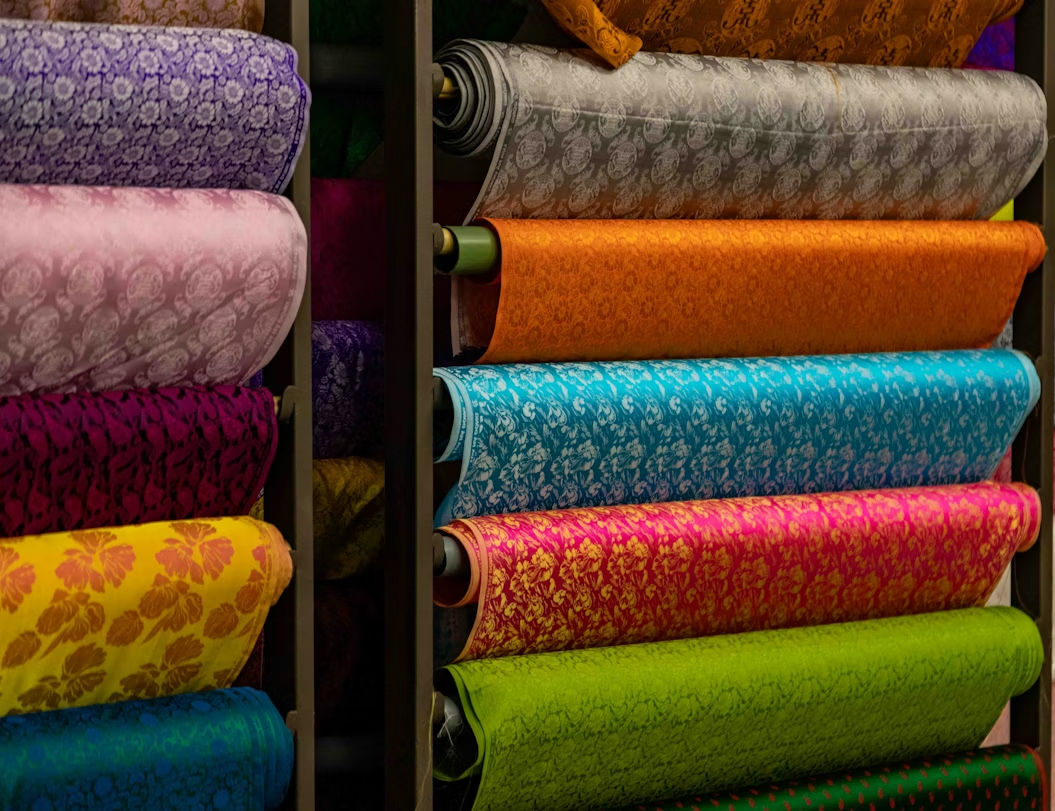
Fabric is the strongest indicator of perceived value.
Budget-friendly luxury-feel fabrics:
- thick cotton
- structured polyester blends
- rayon blends with matte finish
- brushed knit fabrics
Fabric perception table:
| Fabric Type | Luxury Appearance | Budget Score |
|---|---|---|
| Satin (matte finish) | High | Medium |
| Linen blend | High | Medium |
| Thin polyester | Low | High affordability |
| Heavy cotton | High | High value feel |
Avoid overly shiny, thin, or wrinkled materials—they instantly downgrade the outfit.
- build a “capsule luxury base wardrobe”
A minimal set of well-chosen pieces can outperform a large wardrobe.
Example structure:
| Category | Items |
|---|---|
| Tops | 6–8 |
| Bottoms | 4–5 |
| Outerwear | 2–3 |
| Shoes | 2–3 |
| Accessories | 3–5 |
Essential pieces:
- white fitted shirt
- black trousers
- beige blazer
- straight jeans
- neutral knitwear
Why it works:
Repetition of high-quality basics creates visual consistency associated with luxury fashion houses.
- prioritize monochrome dressing
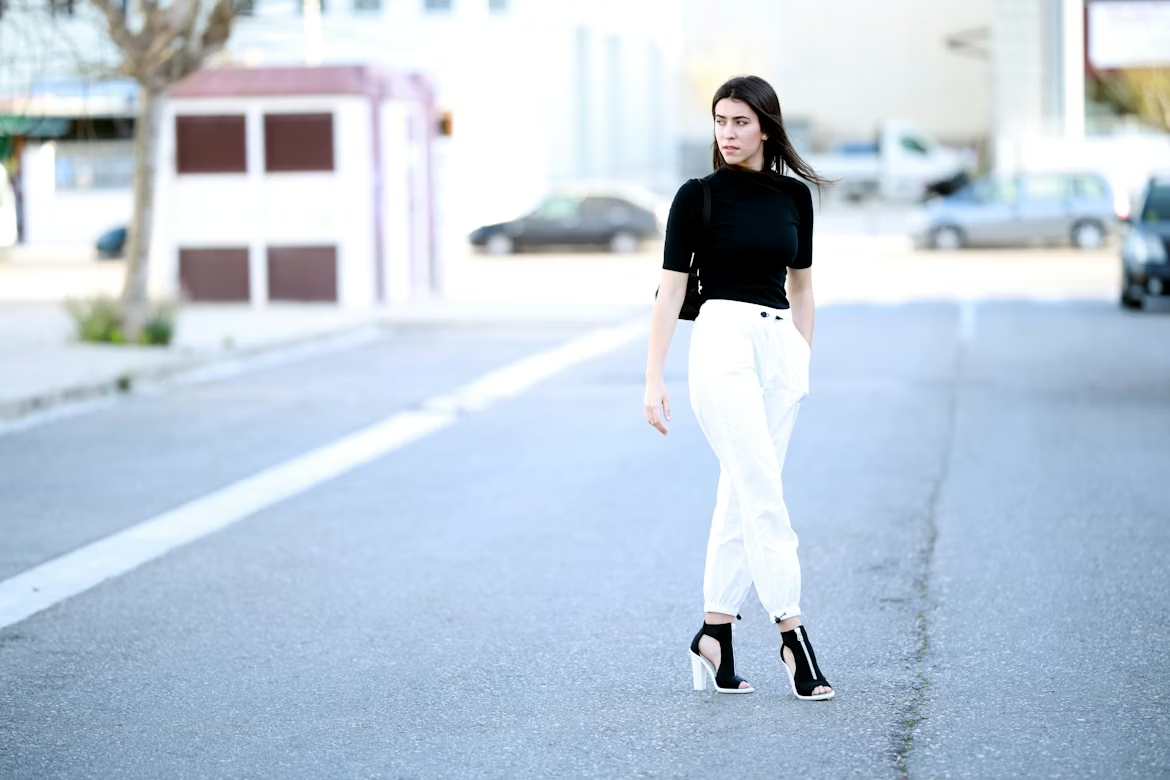
Monochrome outfits are one of the easiest ways to look expensive on a budget.
Examples:
- all beige outfit
- all black outfit
- white + ivory combination
Monochrome impact table:
| Style Type | Perceived Luxury | Effort Required |
|---|---|---|
| Monochrome | Very High | Low |
| Mixed colors | Medium | Medium |
| Clashing tones | Low | High |
Monochrome outfits elongate the body visually and create cohesion.
- use minimal but intentional accessories
Luxury style avoids clutter. Accessories should feel deliberate, not decorative.
Core budget-friendly luxury accessories:
- structured handbag
- simple gold or silver jewelry
- leather belt
- neutral watch
Accessory guide:
| Item | Budget Option | Luxury Effect |
|---|---|---|
| Bag | Faux leather structured | High |
| Watch | Minimal dial | High |
| Jewelry | Thin chains | Medium-high |
Less is more—but only if each item feels intentional.
- focus on footwear quality illusion
Shoes heavily influence overall outfit perception.
Budget shoes that look expensive:
- clean white sneakers
- pointed flats
- minimal ankle boots
- loafers with simple design
Footwear perception table:
| Shoe Type | Luxury Feel | Styling Flexibility |
|---|---|---|
| White sneakers | High | Very high |
| Chunky sneakers | Medium | Medium |
| Thin sandals | High | Medium |
| Over-designed shoes | Low | Low |
Keep shoes clean—dirty footwear destroys even the best outfit.
- master layering like high-end brands
Layering creates depth, which is a signature of luxury styling.
Simple layering formulas:
- shirt + blazer + trousers
- turtleneck + coat + jeans
- tank top + cardigan + skirt
Layering chart:
| Base Layer | Mid Layer | Outer Layer |
|---|---|---|
| Tee | Knitwear | Coat |
| Shirt | Vest | Blazer |
| Tank | Cardigan | Jacket |
Each layer adds visual richness without adding cost.
- repeat outfits strategically
Luxury wardrobes rely on repetition—but styled differently.
Example:
Outfit base:
- black trousers + white shirt
Variations:
- add blazer + heels
- add sneakers + tote bag
- add cardigan + flats
Outfit reuse chart:
| Base Outfit | Variation Count | New Appearance |
|---|---|---|
| 1 outfit | 3–5 variations | High |
Repeating smartly reduces spending while increasing outfit options.
- use “expensive-looking neutrals” only
Not all neutrals are equal. Some look more premium than others.
Premium neutrals:
- cream
- espresso brown
- stone grey
- ivory white
Comparison:
| Neutral Type | Visual Quality |
|---|---|
| Cream | High |
| Off-white | Medium-high |
| Bright white | Medium |
| Yellow-toned beige | Low |
Stick to cool or balanced undertones for a cleaner aesthetic.
- maintain clothing condition like luxury brands do
Luxury is not only what you wear—it’s how you maintain it.
Maintenance checklist:
- iron or steam clothes regularly
- remove lint and pilling
- store items properly
- avoid over-washing
Condition impact table:
| Condition Level | Perceived Value |
|---|---|
| Crisp & clean | High |
| Slightly wrinkled | Medium |
| Worn-out | Low |
Even budget clothes can look premium when well-maintained.
- adopt a “less but better” buying rule
The most important luxury principle is restraint.
Before buying, ask:
- does this match 3+ items I already own?
- does this improve my wardrobe or duplicate it?
- would I wear it weekly?
Decision filter:
| Question Outcome | Action |
|---|---|
| Yes to 3+ | Buy |
| Mixed answers | Wait |
| No | Skip |
This approach prevents clutter and builds intentional style over time.
budget luxury wardrobe example setup
Here’s a realistic 30-item budget wardrobe that looks high-end:
| Category | Items |
|---|---|
| Tops | White shirts, tees, knitwear |
| Bottoms | Black trousers, jeans, skirt |
| Outerwear | Blazer, trench coat |
| Shoes | Sneakers, flats, boots |
| Accessories | Bag, belt, jewelry |
With these pieces, you can create dozens of combinations.
outfit combination chart
| Top | Bottom | Outerwear | Result |
|---|---|---|---|
| White tee | Black jeans | Blazer | Smart casual |
| Knit top | Trousers | Coat | Elegant look |
| Shirt | Skirt | Cardigan | Soft luxury |
Even a small wardrobe can produce a wide range of looks.
final thoughts
Looking luxurious on a budget is not about imitation—it’s about refinement. When you control color, fit, fabric, and repetition, even inexpensive clothing begins to appear elevated.
True style is not loud. It is consistent, intentional, and calm. A budget wardrobe can absolutely feel luxurious when every piece has purpose and every outfit feels considered rather than accidental.
faqs
- can a budget wardrobe really look expensive
Yes. Fit, fabric choice, and color coordination matter more than price. - what colors make outfits look more luxurious
Neutrals like beige, black, ivory, navy, and brown create the most premium appearance. - how many clothes do i need for a luxury-looking wardrobe
Around 25–40 well-chosen pieces are enough for most lifestyles. - do accessories matter in luxury style
Yes. Minimal, high-quality-looking accessories elevate even simple outfits. - how do i make cheap clothes look better
Focus on tailoring, ironing, removing lint, and pairing them with structured pieces. - what is the biggest mistake in budget fashion
Buying too many trendy or uncoordinated items instead of building a cohesive wardrobe.