
I still remember standing in front of my closet three years ago, completely defeated. I had a rack full of clothes but felt like I had nothing to wear — and everything I owned looked… cheap. Not cheap in a fun, thrifted way. Just cheap. Fabric pilling, colors fading, fits that were slightly off everywhere.
The embarrassing part? I’d spent a decent amount of money on those clothes. Just not the right money.
That’s what sent me down a rabbit hole of researching how people with tight budgets still manage to look put-together. And what I found wasn’t about spending more — it was about spending smarter and treating your clothes differently.
Here are the seven hacks that genuinely changed how my outfits look, without changing my budget much at all.
1. Fix the Fit Before You Fix the Price Tag
This one hit me hard when I first heard it, because I’d been ignoring it forever.
You can buy a $200 shirt that looks terrible if it doesn’t fit your body. And you can buy a $15 shirt from a budget store that looks polished — if it fits you perfectly.
The mistake most of us make is buying clothes in our “general size” and just accepting however they fall on our body. But the truth is, sizing varies wildly between brands. A medium in one brand is a large in another.
Here’s what I started doing: whenever I buy something that’s almost perfect but slightly baggy or long, I take it to a local tailor. Getting a pair of trousers hemmed costs around $8–12 in most cities. Taking in the waist on a shirt? Maybe $10–15. For that price, a $20 top suddenly looks like it was made for you.
Quick Fit Checklist:
| Clothing Item | What to Fix | Approx. Tailor Cost |
|---|---|---|
| Trousers/Jeans | Hemming | $8–12 |
| Shirt/Blouse | Taking in the sides | $10–15 |
| Blazer | Sleeve length | $12–20 |
| Dress | Shortening hem | $10–18 |
If tailoring feels excessive for cheap clothes — I get it. But think about cost-per-wear. A $20 top you actually wear 50 times beats a $100 top you wear twice.
2. Upgrade Your Basics, Not Your Statement Pieces
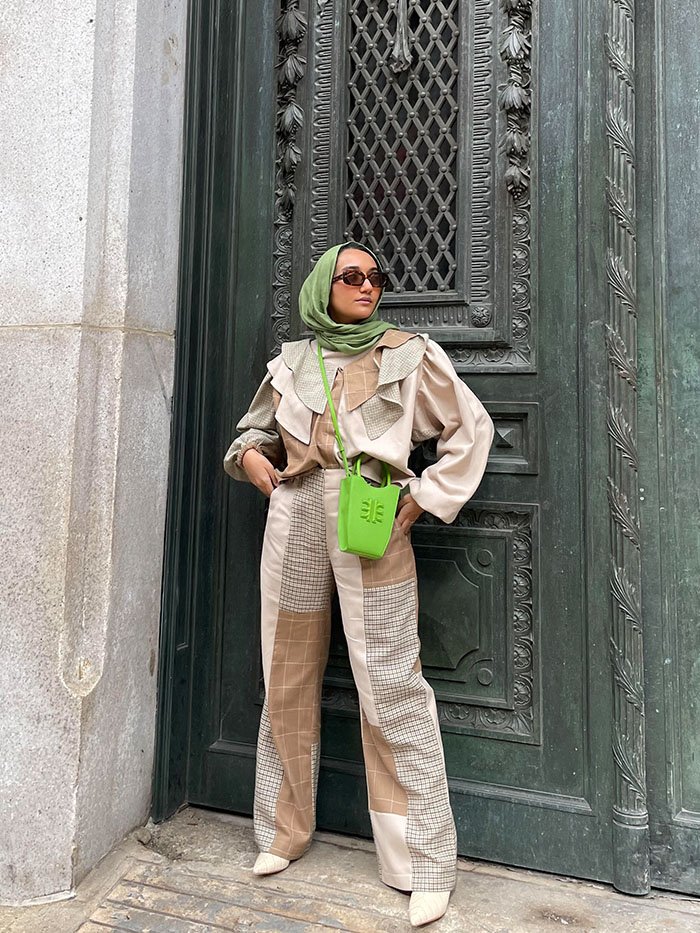
Here’s something counterintuitive I learned: nobody really notices your statement pieces as much as you think. What people do notice is whether your everyday basics look clean, crisp, and well-made.
A white t-shirt. A plain crewneck. A simple button-down. These are the building blocks of almost every outfit, and if they look tired or cheap, your whole look falls apart — no matter how nice your jacket or bag is.
So instead of saving up for an expensive dress or trendy item, I started putting that money into better quality basics. I’m talking a cotton t-shirt that actually holds its shape after washing. A pair of dark jeans without strange fading. A black turtleneck that doesn’t pill after three wears.
This is the core philosophy behind building a capsule wardrobe — fewer items, but each one earning its place.
Brands like Uniqlo, Cos, or even M&S often do basics in better fabrics than trendy fast fashion sites. They’re not luxury, but they look like they could be.
3. Learn to Care for Your Clothes Properly (Most People Don’t)
Okay, real talk — I used to just throw everything in the washing machine on a regular cycle, then toss it in the dryer. And then wonder why my clothes looked worn out after a few months.
Taking care of your clothes properly is genuinely one of the most underrated budget hacks. Because looking expensive isn’t just about what you buy — it’s about keeping what you have looking new.
A few things that made a massive difference for me:
- Washing inside out — especially for dark clothes. It reduces fading dramatically.
- Cold water for almost everything — hot water breaks down fibres and causes shrinking.
- Air drying instead of machine drying — the dryer is brutal on fabric.
- Using a fabric shaver/lint roller — those little pills on knitwear make everything look old. A fabric shaver (I use one from Amazon, costs about $8–10) removes them in minutes.
- Steaming instead of ironing — a handheld steamer gets wrinkles out faster and is gentler on fabric. It also makes clothes drape better, which immediately looks more expensive.
None of this costs much. But the difference between a well-cared-for $25 shirt and a neglected one is shocking.
4. Nail Your Color Palette (And Stick to It)
One of the biggest reasons outfits look cheap is too many clashing or random colors happening at once. When you’re shopping on a budget and just grabbing whatever’s on sale, you end up with a wardrobe that doesn’t really work together — and getting dressed becomes a nightmare.
The fix is surprisingly simple: choose a core color palette and stick to it.
Mine is navy, white, camel, and grey with occasional olive green. Almost everything I own works with everything else. That means more outfits from fewer pieces, and a more cohesive, intentional look overall.
How to Find Your Palette:
- Pull out everything in your closet and lay it on your bed.
- Notice which colors repeat the most — those are clearly what you gravitate toward.
- Pick 3–4 neutral base colors and 1–2 accent colors.
- When shopping, only buy things that fit within those colors.
This is actually one of the minimal wardrobe rules that keep closets clutter-free — and it works because it eliminates impulse buying random things that never match anything.
Example Color Palette Chart:
| Palette Type | Base Colors | Accent Colors |
|---|---|---|
| Classic Neutral | White, Black, Beige | Burgundy, Navy |
| Warm Minimal | Camel, Cream, Brown | Rust, Olive |
| Cool Minimal | Grey, Navy, White | Forest Green, Blush |
| Earthy Tones | Tan, Terracotta, Off-White | Sage, Mustard |
Pick one that matches your skin tone and style. Once you have it, shopping gets way easier — and your outfits automatically look more intentional.
5. Thrift Smart, Not Just Thrift Random
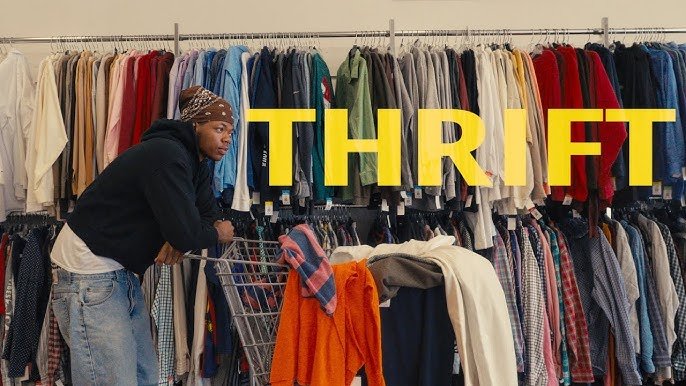
I love thrift stores, but for years I was doing it wrong. I’d walk in, get overwhelmed, and come out with a bag full of random stuff that didn’t actually go with anything I owned.
The trick is going in with a list and a plan.
Before any thrift run, I check what’s missing from my wardrobe — maybe I need a structured blazer or a classic white button-down. Then I go specifically looking for that. I also check the fabric labels. Natural fabrics like cotton, linen, and wool look more expensive, feel better, and last longer than polyester blends.
What to Hunt For at Thrift Stores:
- Blazers and structured jackets (these are often barely worn)
- Wool or cashmere jumpers
- Classic leather belts and bags
- Linen shirts and trousers
- Silk or satin blouses
Apps like Vinted, Depop, and ThredUp are also great for this — you can actually filter by fabric type, color, and size, which makes the whole thing much more efficient.
One more tip: check the brand label on thrifted items. High-end brand clothes in great condition can be found for pennies. And even washed and re-worn, they tend to hold their shape and look better than fast fashion alternatives.
6. Accessories Are Your Shortcut
If there’s one area where a small budget upgrade gives the biggest visual return — it’s accessories.
A cheap outfit with thoughtful accessories looks put-together. The same cheap outfit with no accessories, or the wrong accessories, looks unfinished.
I’m not saying go buy designer bags. I’m saying: choose fewer accessories that look clean and intentional.
High-Impact Accessories on a Budget:
- A leather or faux leather belt — even a $10–15 one, as long as it’s simple and matches your shoes
- Simple gold or silver hoop earrings — clean metal jewelry elevates almost any outfit
- A structured tote or shoulder bag — a good shape matters more than the brand
- A plain watch with a leather strap — even a $25 one looks clean
- Sunglasses in a classic frame (tortoiseshell or black)
The key is: less is more. One or two well-chosen accessories beat five cheap-looking ones every single time.
I made the mistake of layering too many accessories early on — mismatched necklaces, multiple bracelets, clunky earrings. It just looked messy. Pulling it back made everything look more intentional and, oddly, more expensive.
7. Invest in One or Two “Anchor Pieces” Per Season
This is the one area where I actually do recommend spending a bit more — but strategically.
An anchor piece is one item that elevates everything around it. For me, it’s been a camel-colored wool coat, a well-made leather crossbody bag, and a pair of clean white leather sneakers. Each of these cost me more than I’d normally spend, but I’ve worn all of them hundreds of times.
The math actually works out: a $120 coat worn 80 times costs $1.50 per wear. A $25 fast fashion coat worn 8 times costs $3.13 per wear. The expensive one is actually cheaper in the long run.
How to Pick an Anchor Piece:
- Think about what you wear most often (e.g., do you always need outerwear? A bag? Shoes?)
- Choose something classic — not trendy. Trends have a shelf life. Classics don’t.
- Check reviews and fabric before buying — look for natural materials or genuine leather.
- Buy it at end-of-season sales when prices drop 40–60%.
If you’re also thinking about building a smarter, seasonal wardrobe overall, this guide on seasonal wardrobe ideas for stress-free styling has some really practical advice on rotating pieces without buying everything new each season.
Common Mistakes That Make Outfits Look Cheap (Even With Nice Clothes)
Before wrapping up, let me quickly flag the things that undo all the effort above:
- Visible bra straps under tops — always sort this before leaving home
- Wrinkled or creased clothes — five minutes with a steamer fixes this
- Worn-out shoes — even great shoes look terrible when the soles are peeling or the heel is scuffed. Get them resoled at a cobbler; it’s cheap.
- Clothes that don’t fit — we covered this, but it’s worth repeating
- Mixing too many logos — logo-heavy pieces can look clunky; use them sparingly
- Pilling on knitwear — use that fabric shaver
- Dirty or scuffed white shoes — a shoe cleaning kit costs under $10 and takes five minutes
How These Hacks Stack Up: At a Glance
| Hack | Cost to Implement | Visual Impact | Effort Level |
|---|---|---|---|
| Fix the fit (tailoring) | Low ($8–20 per item) | Very High | Low |
| Upgrade basics | Medium | High | Low |
| Proper clothing care | Very Low | High | Medium |
| Stick to a color palette | Free | High | Low |
| Thrift smart | Very Low | Medium–High | Medium |
| Intentional accessories | Low | High | Low |
| One anchor piece per season | Medium–High | Very High | Low |
Frequently Asked Questions
Q1: Can I actually look expensive on a very tight budget — like under $50/month?
Yes, absolutely. Most of these hacks don’t require ongoing spending. Fixing your fit is a one-time cost per item. Caring for your clothes properly costs almost nothing. Building a color palette is free. The biggest shifts often come from stopping impulsive buying rather than spending more.
Q2: Is thrifting actually worth it, or is it too time-consuming?
It depends on your approach. Random thrifting can be hit-or-miss. But going in with a specific list and using apps like Vinted or Depop to pre-filter by size, color, and item type makes it much more efficient. Once you get the hang of it, you can find genuinely high-quality pieces for next to nothing.
Q3: What’s the single biggest thing I can do if I only pick one hack?
Get your clothes tailored to fit properly. Nothing else has as dramatic an impact. Fit is the difference between looking like you made an effort and looking like you grabbed whatever was on the floor.
Q4: How do I know which anchor piece to invest in first?
Think about what you wear every single day. If you always need a coat in winter, start there. If you always carry a bag, invest in that. The piece you reach for daily will give you the best return on investment.
Q5: Are there specific apps or tools you’d recommend for this?
For thrifting: Vinted, Depop, ThredUp. For outfit planning: the Pinterest boards are surprisingly useful for building a visual style reference. For fabric care: just Google the specific fabric type and follow those care instructions — most of us have been washing things wrong for years.
Looking to take this further and build a wardrobe that actually works long-term? Check out this guide: How to Build a Stylish Budget Wardrobe Without Overspending — it covers the full process from start to finish.