

A few years back, I had a friend who always looked effortlessly put together. Not fancy — just good. Like she’d clearly thought about what she was wearing without overthinking it. I, on the other hand, was rotating through a closet stuffed with options and somehow still leaving the house feeling like something was slightly off every single day.
One afternoon I finally asked her what her secret was. She laughed and said, “I just wear the same five things in different combinations.”
I thought she was joking. She wasn’t.
Turns out, she’d figured out something it took me another two years to understand: outfit quality doesn’t come from having more clothes. It comes from having the right clothes — specifically, a small set of basics that make everything else in your wardrobe look better by association.
These aren’t glamorous pieces. They won’t get compliments on their own. But they’re the reason some outfits look pulled together and others just… don’t. Here are the five wardrobe basics that genuinely changed how I dress every day.
1. A Perfectly Fitted White Tee

I know. Every wardrobe guide ever written mentions the white tee. But before you skip this one — let me tell you why most people get it completely wrong, because I did for years.
For the longest time I was buying white tees that were either too thin, too boxy, too short, or weirdly stiff. None of them looked right. I thought maybe white tees just weren’t “my thing.” Turns out I was just buying bad ones.
A great white tee is specific. Here’s what actually matters:
Fabric weight. Too thin and it’s see-through and shapeless. Too thick and it looks like a gym shirt. You want something mid-weight — enough to hold its shape but breathable enough to wear comfortably.
The neckline. A crew neck that’s not too wide and not too tight. When the neckline starts sagging after a few washes, that’s a sign the quality isn’t there.
The length. It should hit at or just below your waistband when untucked, and tuck in cleanly without bunching. If you’re between sizes, size down — a slightly closer fit always looks more intentional than a baggy one.
The sleeve. Sleeves that end mid-bicep look cleaner and more modern than ones that hang to your elbow.
Once I found a tee that hit all of these — a cotton-modal blend in a classic crew neck — I bought three of the same one. No regrets. I’ve worn them probably three times a week for the last eighteen months.
What makes a white tee such a powerful basic is that it resets any outfit. Wearing a bold patterned skirt? A white tee grounds it. Have an interesting jacket? Tuck a white tee underneath and the jacket becomes the star. It’s the wardrobe equivalent of a blank canvas.
2. Well-Structured Dark Trousers
This one changed how I thought about “casual” dressing entirely.
For years, my default bottom was jeans. Always jeans. And there’s nothing wrong with jeans — but I was missing out on something that could do even more work: a well-structured pair of dark, tailored-ish trousers.
I’m not talking formal work trousers. I’m talking about a pair that sits somewhere between smart and casual — maybe a straight-leg or a wide-leg silhouette in navy, charcoal, or black. A fabric with a little structure to it (not stiff, just not floppy). Clean lines, no distressing, no flashy hardware.
The reason these are such a powerful basic: they instantly elevate everything you wear with them.
A plain white tee + dark tailored trousers = a complete, intentional-looking outfit. Throw on a clean sneaker or a loafer and you’re done. No effort, genuinely good result.
| Bottom | Vibe It Creates | Best Paired With |
|---|---|---|
| Distressed jeans | Casual, youthful | Graphic tees, hoodies |
| Mid-wash straight jeans | Everyday relaxed | Almost anything |
| Dark tailored trousers | Effortlessly put-together | Basics, knitwear, simple tops |
| Wide-leg linen trousers | Relaxed but elevated | Fitted tops, sandals |
The dark tailored trouser sits in a unique sweet spot. It gives you the comfort of casual dressing but reads as considered and polished — which is honestly what most people are aiming for, even if they can’t name it.
One practical note: get them hemmed. A trouser that’s even a centimeter too long looks sloppy. A centimeter too short looks intentional. Hemming costs almost nothing at a local tailor and makes a genuinely visible difference.
If you’re building a wardrobe around pieces like these and want a clear framework, 7 Essential Capsule Wardrobe Building Rules for Beginners is a solid place to start — it covers exactly how to think about foundational pieces before you start adding anything else.
3. A Clean, Minimalist Leather or Leather-Look Belt
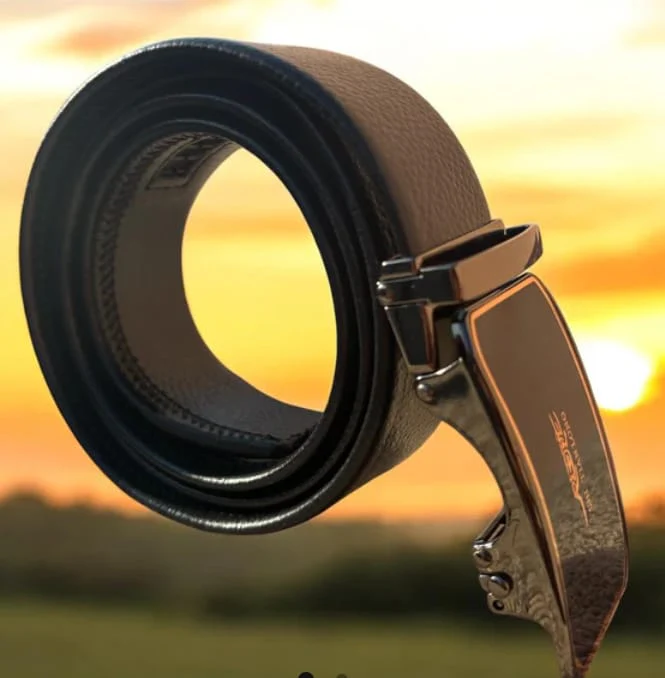
This is the one most people don’t think of as a “basic” — but once you start noticing how much a belt changes an outfit, you can’t unsee it.
I ignored belts for years. I thought they were just functional — something to stop your trousers falling down. Then I started paying attention to the difference between outfits I wore with a belt versus without, and the gap was undeniable.
A clean belt does a few specific things:
It defines your waist. Even on loose, relaxed pieces, a belt pulled through the loops creates a visual anchor. It tells the eye “this is intentional” rather than “these are just clothes I put on.”
It connects your top and bottom. When the colors or vibes of your top and bottom are slightly different, a belt acts as a linking element that pulls the look together.
It adds a small, clean detail. A simple belt in tan, black, or a warm brown adds visual interest without competing with anything else in your outfit.
The key word here is clean. Not a flashy logo buckle. Not an embossed pattern. Just a simple, slim-to-medium width belt in a solid leather or good quality faux leather. A plain square or rectangular buckle in silver or gold tone depending on your other hardware.
I have two: one in tan and one in black. Between those two, I’ve covered every outfit I’ve worn in the last two years.
How to use it:
- Tuck in even just the front of your top and add a belt — this “French tuck” creates shape without looking overly formal
- Thread it through trousers or jeans whenever the waistband is visible, even if you’re not worried about them falling
- Match the metal tone of your belt buckle to your other metals (watch, rings, bag hardware) for a more cohesive look
4. A Neutral, Versatile Bag
I spent a genuinely embarrassing amount of time buying bags that matched specific outfits. A mini bag for going out, a canvas tote for casual days, a structured bag for work, a crossbody for weekends. I had eight bags and somehow felt like I had nothing to carry.
Scaling down to one or two genuinely versatile bags was one of the more impactful small changes I made to how I dressed.
A neutral bag is a basic because it does the same thing a white tee does — it stays out of the way and lets the rest of your outfit breathe. But it also adds a quiet note of quality and intentionality that’s hard to explain until you experience it.
What makes a bag “versatile” for this purpose:
- A neutral color: tan, camel, black, cream, or a warm cognac brown. These work across seasons and across outfit types without any coordination required.
- A medium size: big enough to hold daily essentials, compact enough not to feel like you’re carrying luggage.
- A clean silhouette: no heavy branding, no busy hardware, no pattern. Just a clean shape in a good material.
- Multiple carry options: a bag that can be held by hand, worn on the shoulder, or crossbody gives you flexibility depending on what the day requires.
The price range here is genuinely wide. There are excellent options under £50 (brands like Charles & Keith or even well-selected high street finds) and excellent options at every price point above that. What you’re paying for at higher price points is usually leather quality and longevity — not necessarily the look.
For a wardrobe built around smart spending on the pieces that really matter, 9 Smart Capsule Wardrobe Building Tips on a Tight Budget has some genuinely useful thinking on where to invest and where to save.
5. One Quality Outerwear Piece in a Neutral
Your coat or jacket is the first and last thing people see when you walk in or out of a room. For most of the year — at least in any climate that isn’t tropical — outerwear is effectively part of your outfit. Which means a bad outer layer can undermine everything else you’ve carefully put together underneath it.
I used to treat coats as an afterthought. I’d spend time thinking about what I was wearing, then throw on whatever coat was nearest the door. The result was that my outfits looked put-together from the waist up until I added a coat, and then they didn’t.
One reliable, well-chosen outer layer fixes this entirely.
What you’re looking for:
- A neutral color that works with most of what you wear: camel, navy, grey, olive, or black are the best performers
- A clean silhouette — nothing too trendy, nothing too shapeless
- A length that suits your proportions — midi-length tends to be the most flattering and versatile for most people
- Quality enough to last — outerwear takes a beating and it shows; it’s worth spending more here than almost anywhere else
The reason this qualifies as a “basic that makes any outfit better” is simple: put a great coat over even a simple, understated outfit and the whole thing reads as intentional and put-together. Put a cheap, worn, or ill-fitting coat over a carefully considered outfit and the coat wins.
Here’s a quick look at how different outerwear styles play across seasons and outfit types:
| Outerwear Type | Best Seasons | Works Best For |
|---|---|---|
| Trench coat (camel/navy) | Spring, Autumn | Almost everything — jeans to dresses |
| Wool or wool-blend coat | Autumn, Winter | Smarter outfits, layered looks |
| Structured blazer | Spring, Summer, mild Autumn | Smart-casual, work settings |
| Lightweight quilted jacket | Autumn, Winter | Casual layering, everyday wear |
| Overshirt/shirt jacket | Spring, Summer, early Autumn | Relaxed outfits, weekend wear |
If you only have room (or budget) for one right now, start with a trench in camel or navy. It bridges the most seasons and the widest range of outfit types of any single outerwear piece.
Common Mistakes People Make With Wardrobe Basics
I’ve been through the trial-and-error phase of this enough times to have made most of the mistakes personally. A few patterns keep coming up:
Buying basics in the wrong fit. A basic that doesn’t fit well is worse than not having it at all — because it’s supposed to be the foundation everything else builds on. A baggy white tee doesn’t ground an outfit; it drags it down. Take the time to find the right fit or get pieces altered.
Going for the cheapest option on every basic. Basics get worn constantly. That means they also wear out and deteriorate faster than occasional pieces. A very cheap white tee might look fine on day one but pill and go grey after ten washes. Spend a little more on the things you’ll wear every week.
Choosing basics in colors that don’t actually work with the rest of your wardrobe. A beige coat sounds like a neutral, but if everything you own skews cool-toned (grey, navy, black), a warm beige might not actually tie in the way you expect. Think about the undertones of your wardrobe before buying.
Neglecting maintenance. Basics only stay “clean and elevated” if you take care of them. White tees need proper washing (cool water, no harsh detergents, air dry when possible). Leather belts and bags benefit from occasional conditioning. Coats should be steamed or lightly brushed rather than stuffed into a pile at the end of each day.
Treating basics as boring and underinvesting in them. The biggest mistake of all. Basics are the reason your wardrobe works — or doesn’t. The more intentional you are about choosing them, the better every single outfit you put together will look.
Building Your Basics: A Simple Checklist
If you want to audit your current wardrobe against this list, here’s a quick framework:
Step 1: Check off which of these five you currently have in a version you genuinely love and wear regularly.
Step 2: For any gaps, note what specifically is missing — is it the item entirely, or do you have a version that doesn’t quite work (wrong fit, wrong color, wrong quality)?
Step 3: Prioritize filling one gap at a time. Start with the basic that would have the most impact on your most common daily outfits.
Step 4: Before buying, be specific about what you’re looking for. “A white tee” is too vague. “A mid-weight crew neck white tee in a slightly relaxed fit that hits at the hip” gives you something to actually shop for.
Step 5: Once you find a great version of each basic, consider buying a backup. There is nothing more frustrating than finding a perfect white tee, wearing it constantly for two years, and then discovering it’s been discontinued.
The Bigger Picture
What’s interesting about this whole conversation is that none of these five pieces are exciting in isolation. They’re not the things you’d excitedly tell a friend about after a shopping trip. But they’re the invisible infrastructure that makes everything else in your wardrobe function better.
Every time I’ve gotten dressed without at least some of these in place, something has felt slightly off — even when I couldn’t name why. And every time I’ve leaned into these basics, even a simple outfit has felt considered and complete.
That’s the thing about foundations: you don’t notice them when they’re working. You only notice when they’re missing. Take a look at Wardrobe Basics Every Closet Should Have for an even deeper dive into building a wardrobe that actually works for your everyday life — it’s one of the most practical breakdowns of this topic I’ve found.
The goal isn’t a wardrobe full of basics. It’s a wardrobe where the basics are so solid that everything else you add to the mix instantly looks better because of them.