

I’ll be honest — two years ago, my closet was a complete disaster. I had roughly 60 pieces of clothing, and on most mornings, I still felt like I had absolutely nothing to wear. Sound familiar?
It wasn’t until I did a full closet cleanout that I realized the problem wasn’t the quantity of clothes. It was the lack of the right ones. I had too many trendy impulse buys and not enough solid basics that actually worked together.
That experience completely changed how I shop. Now, I have fewer items, spend less money overall, and genuinely enjoy getting dressed every morning. The secret? Building around a set of reliable wardrobe basics that earn their keep every single day.
So here’s my honest breakdown of the 8 wardrobe basics that are absolutely worth buying this year — not because some fashion magazine told me so, but because I’ve worn, tested, and lived in all of them.
1. A White or Neutral Button-Down Shirt
If there’s one piece that saved me from a dozen “I have nothing to wear” moments, it’s a crisp, well-fitting button-down. I grabbed a white one last spring from a mid-range brand, and I’ve worn it to job interviews, casual brunches, and even tucked into jeans for weekend errands.
The trick is in the fit. A boxy one looks sloppy; too slim and you can’t move comfortably. Go for something that skims your body without clinging.
What to look for:
- 100% cotton or a cotton-linen blend (breathes better, lasts longer)
- No busy patterns — classic white, light blue, or soft beige
- Buttons that don’t gap at the chest
I also found that a slightly oversized one works amazingly well as a light layer over a tank. Very effortless, very intentional-looking.
2. Dark Wash Straight-Leg Jeans
I spent years defaulting to skinny jeans, then suddenly everything I owned looked dated. The straight-leg silhouette hit differently — and once I tried a dark wash pair, I understood the hype.
Dark wash jeans are the chameleons of your wardrobe. Dress them up with loafers and a blazer; dress them down with a tee and sneakers. They read as “put-together” even when you’ve thrown them on in 2 minutes.
A mistake I see a lot: buying jeans that are too long and never getting them hemmed. It makes the whole outfit look unfinished. Spend the extra $10–15 on a tailor — it transforms the look completely.
| Occasion | What to Pair With Dark Jeans |
|---|---|
| Office-casual | White button-down + loafers |
| Weekend errands | Plain tee + clean sneakers |
| Evening out | Fitted blazer + ankle boots |
| Relaxed days | Oversized knit + flat shoes |
3. A Well-Fitted White or Grey T-Shirt (In Multiples)
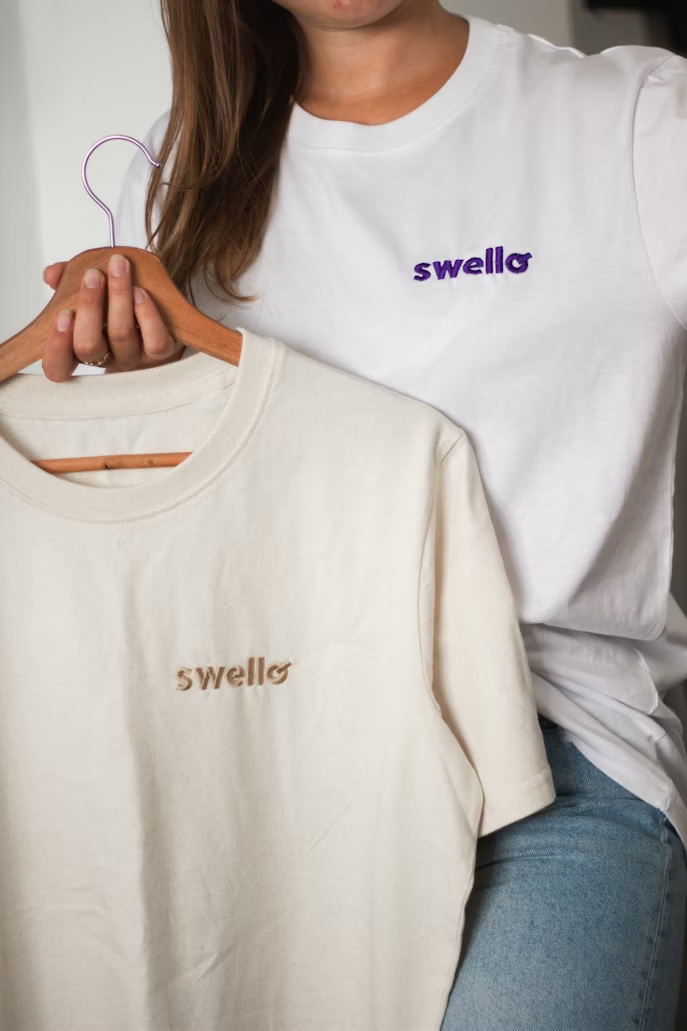
This sounds boring. It’s not.
A quality plain tee is probably the hardest-working item in anyone’s wardrobe. But most people, including past-me, cheap out on this one and end up with something that turns yellow after three washes and goes shapeless by month two.
The quality markers to look for: a heavier fabric weight (180–200 gsm is the sweet spot), reinforced shoulder seams, and a collar that holds its shape. Brands like Uniqlo, Everlane, and Muji consistently nail this at a reasonable price point.
I personally keep 3–4 in rotation (two white, one grey, one black). They pair with everything — and because they’re simple, they never clash.
If you’re building your wardrobe from scratch, check out this guide on 10 Minimal Wardrobe Essentials for a Clean Style — it’s a solid starting point.
4. A Structured Blazer (Neutral Color)
I resisted the blazer for years. It felt too “corporate” for my lifestyle. Then I borrowed a friend’s camel-colored one for a dinner and haven’t looked back.
A well-cut blazer is instant polish. Throw it over a plain tee and jeans, and you look like you tried — even if you didn’t. It layers over dresses in cooler weather and ties together outfits that would otherwise feel too casual.
Colors worth investing in:
- Camel / tan
- Navy
- Charcoal grey
- Cream or off-white
Avoid anything with a strong pattern for your first one. You want it to work with as many pieces as possible.
One thing I learned the hard way: shoulder fit is everything with blazers. Shoulders that are even slightly off will make the whole garment look wrong, and that’s the one thing tailoring can’t easily fix. Try it on in person before you buy.
5. A Classic Trench or Lightweight Overcoat
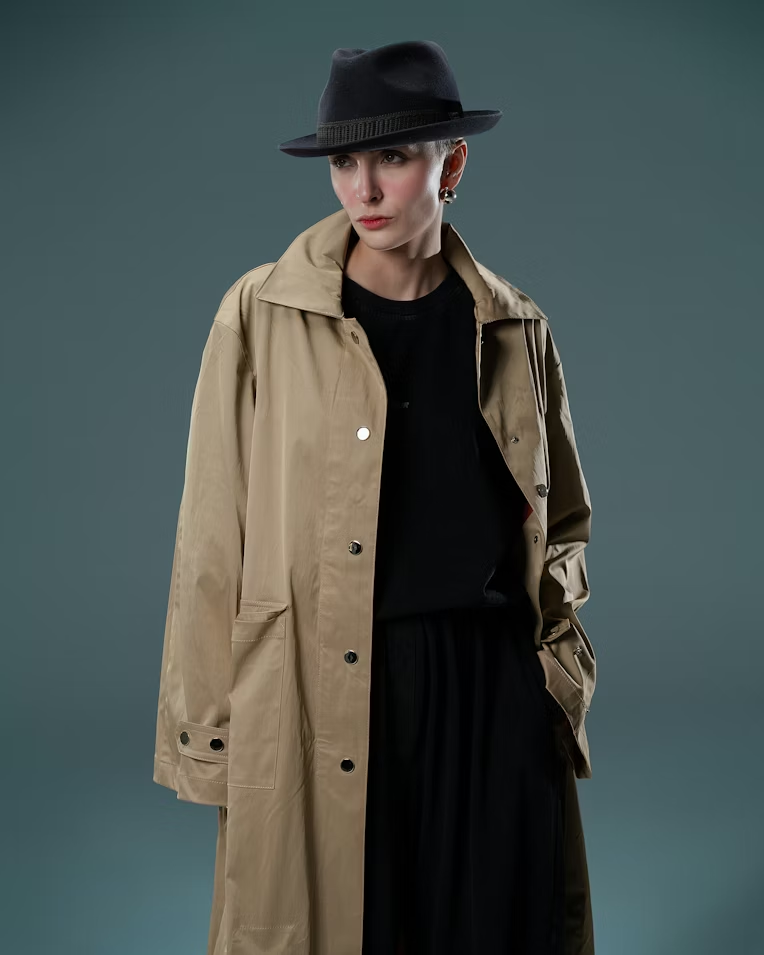
Outerwear is one area where people tend to underspend — and then regret it every time they leave the house. A cheap coat pills, loses shape, and looks dated quickly. A good coat? It elevates every single outfit underneath it.
You don’t need to spend a fortune, but do invest more here than you would on, say, a basic tee.
A trench coat in khaki/camel is incredibly versatile across seasons. A wool or wool-blend overcoat in camel, grey, or navy handles everything from late fall to winter.
The rule I follow: if I’m going to be seen wearing it, it should look intentional. A great coat makes even jeans and a hoodie look chic. A bad one undoes everything.
This is also where the capsule wardrobe philosophy really pays off. Instead of rotating through five mediocre coats, own two great ones. For more on this approach, the Ultimate Capsule Wardrobe Guide for Effortless Style breaks it down really well.
6. A Versatile Pair of White Sneakers
Few pieces have the cross-category flexibility of a clean white sneaker. I wear mine with jeans, tailored trousers, casual dresses, and weekend shorts. They’re somehow both sporty and clean-looking enough for smart-casual settings.
The most common mistake: letting them get dirty and not cleaning them regularly. White sneakers that are even slightly yellowed or scuffed immediately drag an outfit down. I use a Magic Eraser and a soft brush every couple of weeks — takes 5 minutes and makes them look almost new.
Worth considering:
- Adidas Stan Smiths or Sambas (consistently excellent)
- Nike Air Force 1s (bulkier, but iconic)
- Veja V-10 (if you prefer a more sustainable option)
- New Balance 574 (slightly more casual/sporty)
The key is: keep them simple and keep them clean. Avoid anything with loud logos or colorful accents if you want them to genuinely go with everything.
7. A High-Quality Knit Sweater (Neutral Tone)
This one surprised me most. I used to see knitwear as purely seasonal, but a mid-weight merino or cotton knit is genuinely useful nearly year-round.
In cooler months, it’s your layering workhorse. In air-conditioned offices during summer, it’s what keeps you comfortable while everyone else is reaching for a cardigan from the lost-and-found pile.
A fitted crew-neck or a slightly relaxed V-neck in oatmeal, cream, navy, or grey will pair with literally everything — jeans, trousers, skirts, layered under a coat.
Where people go wrong: buying something that pills immediately. Pilling is a sign of lower-quality fibers. Look for merino wool, Pima cotton, or cashmere blends. Take care of it with a fabric shaver (I got mine for under $15 and use it monthly).
Here’s a quick visual overview of how core wardrobe basics interact with each other across different outfit types:
| Basic Piece | Goes With | Works For |
|---|---|---|
| White button-down | Jeans, trousers, skirts | Work, casual, semi-formal |
| Dark jeans | Almost everything | Everyday, dinner, errands |
| Plain tee | Jeans, blazers, skirts | Casual, layering base |
| Blazer | Tee + jeans, dresses | Office, evenings, polished casual |
| Trench/Overcoat | Any outfit underneath | All seasons, travel |
| White sneakers | Jeans, dresses, trousers | Casual to smart-casual |
| Knit sweater | Jeans, trousers, skirts | Layering, transitional weather |
| Classic ankle boot | Jeans, dresses, trousers | Fall/winter, year-round |
8. A Pair of Classic Ankle Boots
If you only buy one “statement” shoe this year (that somehow isn’t actually a statement), make it a pair of ankle boots in a neutral tone.
Black is the obvious choice — and honestly, it’s obvious for a reason. Black ankle boots with a block heel or low heel are among the most reliable shoes you’ll ever own. They pair with jeans, midi dresses, wide-leg trousers, and skirts. They transition easily from day to evening.
I’ve also seen tan/cognac leather ankle boots work beautifully for a warmer, slightly more casual look. If you already have black boots, cognac is a great second option.
Things to check before buying:
- Real leather or high-quality vegan leather (pleather cracks fast with regular wear)
- A sole that can be re-soled if needed (cobbler-friendly)
- A heel height you can actually walk in all day
I bought a pair of Chelsea-style ankle boots three years ago, had them re-soled once, and they still look sharp. That’s the value of getting it right the first time.
For more on building a wardrobe around pieces that actually last, this article on Wardrobe Basics Every Closet Should Have is a practical read.
Common Mistakes to Avoid When Building Your Basics
A few things I wish someone had told me earlier:
Buying basics in the wrong fit. A basic item in the wrong size doesn’t become “good enough.” It just becomes another thing you don’t wear. Fit is everything — especially for tees, jeans, and blazers.
Going too cheap on high-use items. Your jeans, boots, and coat get worn constantly. This is where spending a little more actually saves money long-term.
Ignoring care instructions. A cashmere sweater washed wrong becomes a children’s sweater. Take 10 seconds to read the label.
Buying too many in one go. Start with what you’re genuinely missing and add one piece at a time. It’s easier to see what’s actually working.
Thinking you need more. Most people’s wardrobes get better with fewer, more thoughtful pieces. The math really does work out.
A Simple Starting Framework
If you’re starting from scratch or doing a wardrobe reset, here’s a rough order of priority:
- Start with bottoms — good jeans are your foundation
- Add tops — a few tees and that button-down
- Layer up — knit sweater, then blazer
- Outerwear — your coat matters more than you think
- Shoes — white sneakers, then ankle boots
Don’t try to overhaul everything at once. Pick the biggest gap in your current wardrobe and fill it with one quality piece. Let it settle into your rotation. See what you actually reach for before spending more.
Building a wardrobe around these 8 basics won’t make you a fashion icon overnight — but it will make every morning significantly less stressful. You’ll stop staring into a full closet feeling like you have nothing to wear. You’ll start putting together outfits that feel like you, not just whatever was clean and close enough.
That alone is worth the investment.